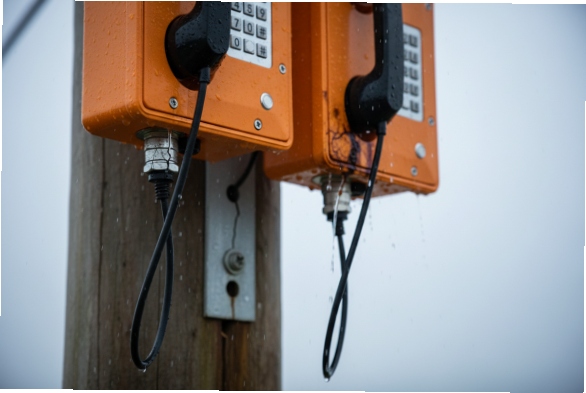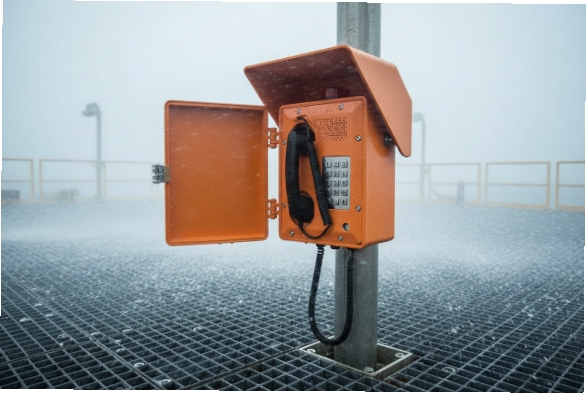
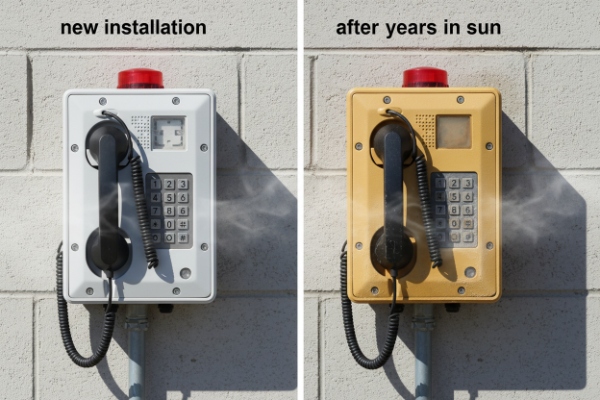
A clean PC housing can look premium on day one, then turn dull and yellow after seasons outside. That change hurts brand image and can hint at deeper material aging.
Yes, polycarbonate can yellow outdoors, especially in strong UV and heat. UV-stabilized grades and protective coatings slow it down, but ASA or powder-coated aluminum usually hold color longer in full-sun and salt-fog sites.
Why PC yellows and what actually controls long-term color
Polycarbonate is tough. It handles impact well, and it can take higher heat than many common plastics. But UV exposure is its weak spot. Sunlight triggers surface-level chemical changes in PC. That creates a yellow tint and can reduce clarity on clear parts. Heat makes the process faster. Oxygen and moisture add more stress. The result is often gradual color drift, then surface haze, and later a brittle feel on thin features.
The key point is simple: “PC” is not one material. Outdoor performance depends on the exact resin grade, the UV package, the color masterbatch, and whether the surface is coated. A standard indoor PC or PC-ABS blend can look fine on paper, then age quickly outside. A UV-stabilized polycarbonate 1 grade can hold up much better, but it still does not behave like a UV-first polymer such as ASA. PC-ABS is usually selected for toughness and processing, not for long outdoor UV. In strong sun, it often needs protection, like a UV clear coat, a paint system, or a housing design that reduces direct solar load.
A realistic outdoor plan also treats “yellowing” as a measurable quality, not a feeling. That means defining a UV test method, the exposure hours, and an acceptance limit for color change (ΔE). It also means controlling batches. If the resin supplier changes stabilizer level or pigment chemistry, color stability shifts. That is why long-term outdoor products need a tighter material lock than indoor devices.
What usually matters most in the field
-
UV energy and time in sun
-
Surface temperature peaks under full sun
-
Resin grade and UV stabilizer package
-
Pigment type and loading
-
Protective coatings and cleaning chemicals
| Factor | What it does to PC color | What to do about it |
|---|---|---|
| UV dose | Drives yellowing and haze | Use UV-stabilized resin, add shade, validate with UV tests |
| Heat | Speeds up all aging | Use light colors, reduce solar load, derate internals |
| Pigments | Can hide or amplify drift | Use outdoor pigment systems, measure Lab* per batch |
| Coatings | Adds a protective UV barrier | Use UV clear coat or paint where appearance is critical |
| Cleaning | Can attack surface and coatings | Define approved cleaners and maintenance method |
A good decision is not “PC or not PC.” The decision is “which grade, which protection, and which proof.”
Keep reading, because the next sections show how to ask suppliers the right questions and how to write requirements that protect long-term appearance.
Is the PC/PC-ABS UV-stabilized and UL 746C f1 rated for outdoor use?
Outdoor claims are cheap. Yellowing is expensive. If the supplier cannot name the grade and listing, the risk is already high.
Ask for the exact resin grade, UV package, and any UL 746C f1 outdoor listing. UV-stabilized PC can reduce yellowing a lot, but PC-ABS usually needs stronger protection for long sun exposure.
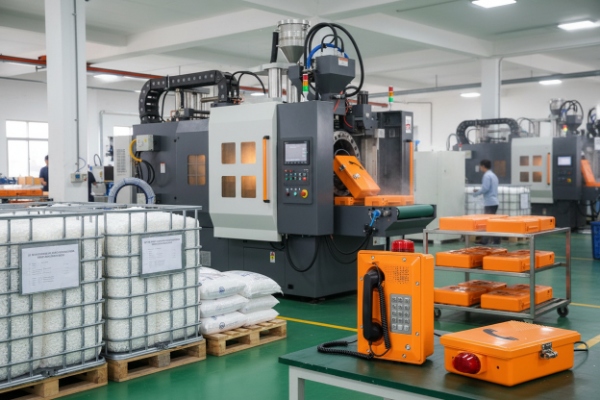
A practical way to start is to request the resin designation and the supplier’s technical data sheet. “UV-stabilized” should mean a defined package in a specific grade, not a generic statement. It also helps to ask whether the UV protection is in the bulk resin, on the surface as a coating, or both. Bulk UV stabilizers protect deeper into the part. Surface coatings protect the surface but can wear or be attacked by harsh cleaners.
UL 746C f1 2 is often used as an outdoor suitability marker for polymeric materials used in electrical equipment. When it is applicable to the part and thickness, it can add confidence because it ties the resin to recognized outdoor exposure and moisture testing. Still, a listing is not a promise that the housing will never shift color. It only means the material passed that program’s conditions. Real sites can be harsher. Full sun at high elevation, sand abrasion, and frequent washdowns can beat a lab cycle.
PC-ABS needs extra care. In many designs, PC-ABS is selected for impact and process stability. Its outdoor UV resistance is often weaker than UV-first polymers. If PC-ABS must be used, a coating approach becomes more important. A painted or coated PC-ABS enclosure can hold appearance much longer than raw plastic, but coating adhesion and chip resistance must be proven.
When suppliers answer, look for these specifics:
-
Resin manufacturer and grade name
-
Color masterbatch supplier and code
-
Outdoor rating scope (color, thickness, and any limitations)
-
Surface coating type, thickness, and repairability
-
Field history in similar climates
| Supplier answer | What it usually means | What to do next |
|---|---|---|
| “UV resistant PC” (no grade) | Marketing language | Ask for resin grade + test report |
| “UL 746C f1 listed” | Recognized outdoor suitability marker | Confirm part thickness and color match listing |
| “PC-ABS for outdoor is fine” | Risk unless protected | Require coating or switch to ASA/metal |
| “We use a UV clear coat” | Better color hold possible | Ask for abrasion and chemical resistance data |
This is the fastest way to filter reliable outdoor housing suppliers from short-term traders.
What ISO 4892/ASTM G154 UV exposure hours and ΔE color change are documented?
If color stability matters, the product needs a test target. Otherwise, every shipment becomes a surprise. A good UV report makes the discussion factual.
Request UV aging reports that state the standard, cycle, irradiance, temperature, exposure hours, and measured ΔE. For outdoor housings, many teams use 500–2000 hours as a screening range, with ΔE limits like ≤3 to ≤5 depending on how strict the appearance goal is.
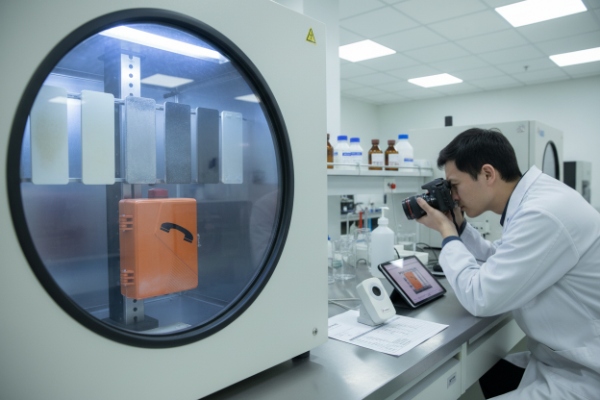
ISO 4892 and ASTM G154 are common references for accelerated weathering. ISO 4892-2 3 often uses xenon arc to simulate sunlight spectrum, while ASTM G154 4 uses fluorescent UV lamps in a cycling method with condensation. The important part is not the standard name alone. The important part is the full test setup and the acceptance criteria. A report that only says “passed UV test” is not useful.
A strong report includes:
-
The exact method (ISO 4892 part, ASTM G154 cycle type)
-
Irradiance level and wavelength range
-
Black panel temperature or chamber temperature
-
Moisture method (condensation or spray)
-
Total hours and checkpoints
-
Color measurements in Lab* 5 and ΔE (Delta E) 6
-
Gloss retention if gloss matters
-
Photos under controlled lighting
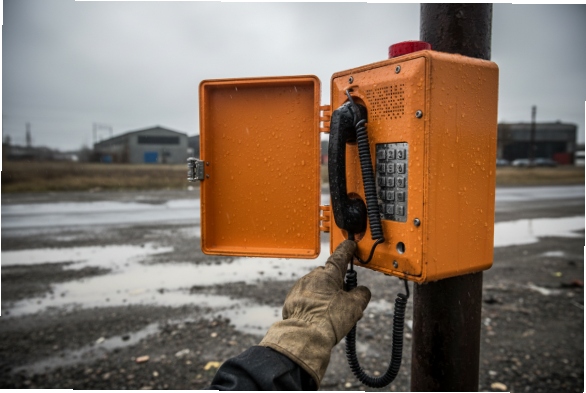
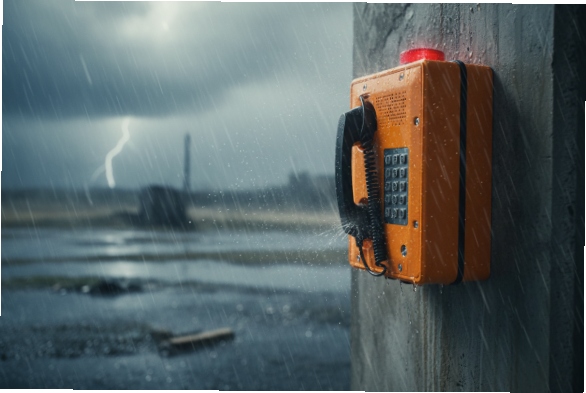
Hours are not universal. Different brands and buyers choose different hours because there is no perfect hour-to-year conversion. So the spec must define the hours for the target market. For example, a public safety call box in Arizona can see much higher UV dose than a sheltered phone in Northern Europe. That is why a one-size-hour number is risky.
ΔE is where the spec becomes practical. A premium brand may require ΔE ≤ 3 after the chosen exposure. Industrial buyers may accept ΔE ≤ 5 if function matters more than perfect appearance. Also, lighter colors show drift more. Dark colors can hide yellowing and chalking, but they can also run hotter in sun.
One more detail: measure on real molded samples with the same texture and thickness, not only on flat plaques. Texture changes readings, and thin ribs age faster.
| What to request | Why it matters | Minimum you want to see |
|---|---|---|
| Standard + cycle details | Makes results comparable | Full cycle description, not just the title |
| Exposure hours with checkpoints | Shows trend, not just endpoint | Data at 250/500/1000+ hours |
| ΔE values and method | Quantifies color change | Lab* + ΔE method stated |
| Sample description | Plaques can hide problems | Molded samples, real texture, real color |
| Post-test inspection | Yellowing is not the only risk | Cracks, embrittlement, surface haze checks |
With this data, the housing choice becomes an engineering decision, not a hope.
Would ASA or coated aluminum outperform PC in UV, heat, and salt-fog sites?
Many outdoor projects start with PC because it is tough. Then the site adds harsh UV, heat peaks, and salts. At that point, PC may still work, but it often needs help.
In strong UV and coastal air, ASA and coated aluminum often outperform uncoated PC for long-term appearance. PC can still win on impact and heat resistance, but it usually needs UV-stabilized grades plus coatings or shading to match ASA/metal color stability.
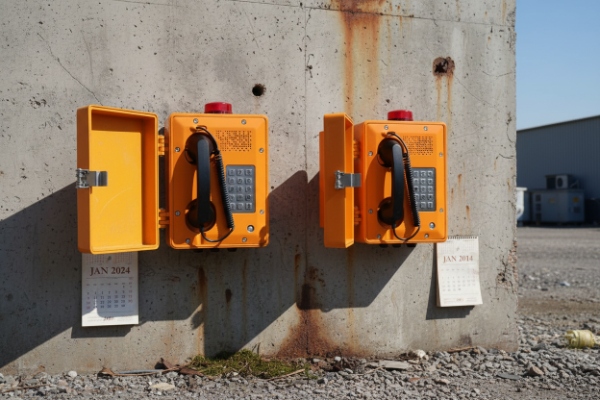
ASA (Acrylonitrile Styrene Acrylate) 7 is widely used outdoors because it is built for weathering. It tends to hold color and surface feel better in sun than standard PC. For many outdoor enclosures, ASA or ASA blends deliver stable appearance without extra coatings. The trade-off is that ASA may not match PC for high impact toughness or very high-temperature performance in every design, so part geometry and mounting protection still matter.
Coated aluminum is a different approach. A powder-coated aluminum housing avoids polymer yellowing entirely. The long-term appearance depends on the coating system. A high-quality outdoor powder coat 8 can hold color very well if the pretreatment and topcoat resin are right. Aluminum also acts as a heat spreader, which can reduce internal hotspots. That can protect keypads, cords, and electronics. Still, coating chips can expose metal, so edge radius and impact management matter.
In salt-fog sites, the finish system becomes critical. A duplex powder system (primer + UV topcoat) typically resists underfilm creep better than a simple topcoat when chips happen. For plastic housings near the sea, salt can sit on the surface and accelerate staining and chalk visibility. Cleaning becomes more frequent, and frequent cleaning can also wear coatings.
A practical way to choose is to match the material to the main risk:
-
If appearance and UV life lead, ASA or coated aluminum is safer.
-
If impact abuse leads, UV-stabilized PC with coating and a hood can be better.
-
If both are severe, coated aluminum with proper design often gives the best total life.
| Material option | UV color stability | Heat behavior in sun | Salt-fog and corrosion | Best fit |
|---|---|---|---|---|
| Uncoated PC | Medium to poor over long sun | Can get hot, internal peaks matter | No corrosion, but surface aging shows | Sheltered sites, short aesthetic life targets |
| UV-stabilized / coated PC | Better, depends on coating | Better if light color + shade | Needs chemical-safe cleaning | High-impact sites needing plastic |
| ASA | Usually strong | Moderate, depends on color | Stable surface, no metal corrosion | Full-sun sites where appearance matters |
| Powder-coated aluminum | Strong with good powder system | Spreads heat well | Depends on pretreatment and coating | Long-life industrial and coastal installs |
The best answer is often not one material. It is a material plus mounting strategy, plus finish, plus proof tests.
What warranty, material batch control, and QA tests guarantee long-term color stability?
Warranty language sounds comforting, but it only works when the supplier has controls that keep materials consistent for years. Color drift is often a batch problem, not just a UV problem.
Ask for a written color stability warranty with clear conditions, plus resin-grade locking, masterbatch control, incoming inspection, and periodic UV aging verification. Long-term stability comes from process discipline, not from one “UV resistant” claim.
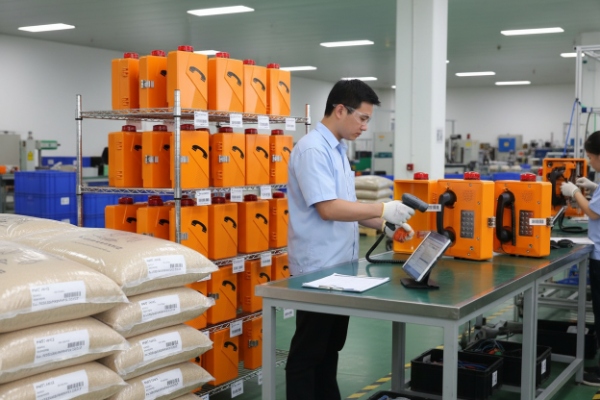
A good warranty has boundaries. It states what “yellowing” means in measurable terms. It states the exposure assumptions. It states whether cleaning chemicals are limited. Without that, a warranty becomes a negotiation.
Batch control starts with material locking. The supplier should commit to a resin grade and a color masterbatch code. If either changes, requalification is needed. For serious outdoor programs, it helps to keep retain samples from each production lot, so a later complaint can be compared to the original shipment under controlled lighting.
Quality checks should measure color numerically. A handheld spectrophotometer 9 is common. The supplier can measure Lab* values on each batch and control it to a tight band. For textured surfaces, measurement needs a stable method and multiple readings. It also helps to check gloss if gloss matters, because gloss loss can look like “yellowing” even when ΔE is small.
UV tests should not only happen once. A solid program runs periodic verification. That can be yearly or per resin change. It can also include thermal cycling, because heat and UV work together in the field. The goal is to catch drift early, before it reaches customers.
From a buyer side, the cleanest way is to put these controls into the PO and the QA plan:
-
COA for resin and pigments
-
Incoming inspection plan for each lot
-
Color measurement report per lot
-
UV aging verification schedule
-
Change control rule: no resin or pigment change without approval
-
Field complaint process with retain sample comparison
| Control item | What it prevents | What to ask for |
|---|---|---|
| Resin grade lock | Hidden formulation changes | Resin maker + grade on every COA |
| Masterbatch lock | Color drift and UV package change | Code + supplier + UV pigment statement |
| Spectro color QC | Batch-to-batch mismatch | Lab* limits and ΔE tolerance per lot |
| Retain samples | Finger-pointing during claims | Stored sample label per production lot |
| Periodic UV aging | Slow drift over time | Defined test method and interval |
| Change control | Silent “cost down” changes | Written notice + requalification triggers |
When these controls are in place, “color stability” becomes predictable. Without them, even a good resin can still surprise the market.
Conclusion
Yes, PC can yellow outdoors. UV-stabilized grades help, but ASA or coated aluminum often keep color longer. The best protection is proof tests plus strict material and QA control.
Footnotes
-
Details the properties of polycarbonate, including UV-stabilized grades designed for outdoor use. ↩
-
Explains the significance of the UL 746C f1 rating for plastic materials in outdoor environments. ↩
-
Describes the ISO 4892-2 standard for exposing plastics to xenon-arc light sources to simulate weathering. ↩
-
Overview of the ASTM G154 practice for operating fluorescent ultraviolet (UV) lamp apparatus for exposure of nonmetallic materials. ↩
-
Explains the CIELAB color space (Lab*) used for quantifying color values. ↩
-
Defines Delta E as a metric for measuring the distance between two colors in a color space. ↩
-
Discusses the weatherability and UV resistance of Acrylonitrile Styrene Acrylate (ASA) plastic. ↩
-
Introduction to powder coating technology and its durability benefits. ↩
-
Describes how spectrophotometers work to measure color and ensure consistency. ↩