
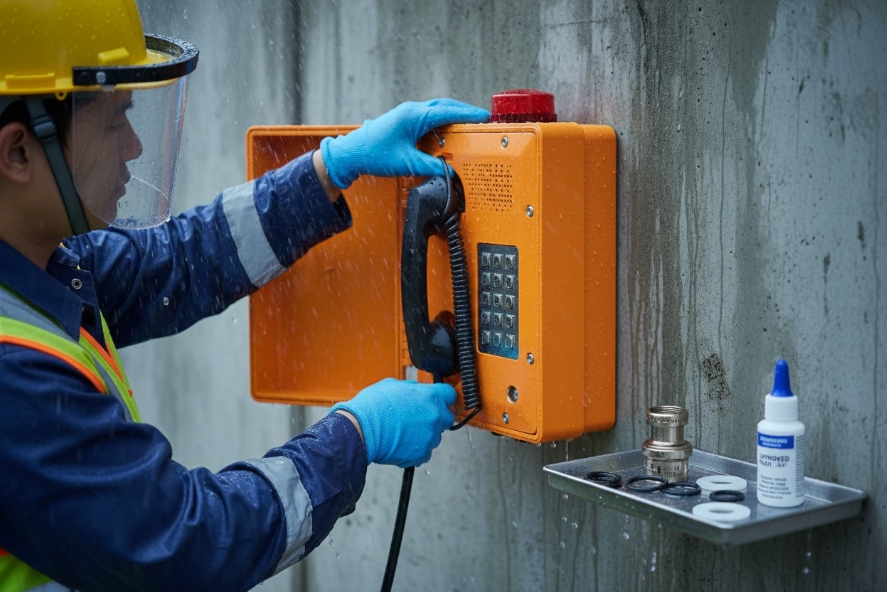
Proper cable sealing is crucial to maintaining the IP66/IP67 rating of weatherproof telephones. How can cable sealing be ensured during installation to prevent water, dust, and contaminants from entering?
Cable sealing is achieved through the use of certified glands, O-rings, thread sealants, and strain relief. These components maintain the IP66/IP67 rating by ensuring a tight, secure seal around the cable entry points.
Effective cable sealing is a multi-layered process, combining high-quality components and best practices to ensure long-term protection. Let’s explore the key methods that guarantee sealing integrity in weatherproof telephones.
Which certified glands and sealing ranges maintain IP66/IP67 after wiring?
To maintain IP66/IP67 protection, choosing the correct glands is critical. Which certified glands and sealing ranges ensure effective sealing after the cable is installed?
Certified IP66/IP67 glands with compressible seals or grommets are used to tightly grip the cable, ensuring water and dust are kept out. The gland size must match the cable’s outer diameter to maintain a secure seal.
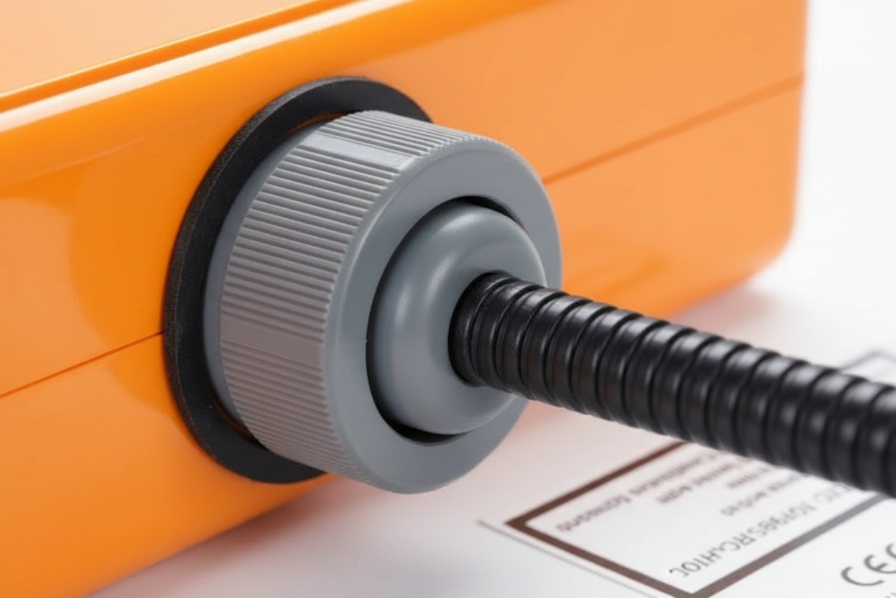
The gland selection is one of the most critical aspects in maintaining IP66/IP67 sealing for weatherproof telephones. Here are the steps to ensure the gland maintains effective sealing:
-
Certified Glands: Always choose glands that are certified for IP66 1 / IP67 2 or higher. These glands are designed to provide a leak-proof seal at the cable entry point, protecting the internal components from water and dust ingress.
-
Matching Cable Outer Diameter: The gland must match the outer diameter (OD) of the cable being used. A gland that is too loose will not compress the seal enough to create an effective barrier, while a gland that is too tight may damage the cable or its jacket. Ensure that the clamping range of the gland is suitable for the specific cable size.
-
Compression Seals: High-quality seals or grommets within the glands are designed to tightly grip the cable, providing a watertight and dust-tight seal. These seals compress as the gland is tightened, preventing moisture from entering the enclosure.
In summary, selecting certified IP66/IP67 glands and ensuring proper sizing and installation will maintain the sealing integrity of the weatherproof telephone.
| Gland Type | IP Rating | Function | Notes |
|---|---|---|---|
| Certified IP66/IP67 Glands | IP66/IP67 | Prevents water and dust ingress | Must match the cable OD and clamping range |
| Compression Seals | IP66/IP67 | Creates watertight seal | Ensures tight fit around cable entry |
Do strain relief, bend radius, and torque specs prevent leak paths?
In addition to glands, strain relief, bend radius, and torque specifications help maintain a secure cable seal. How do these factors prevent leak paths in weatherproof telephones?
Strain relief prevents the cable from pulling on the gland, while the correct bend radius ensures the cable stays within safe limits. Torque specifications ensure that the gland is properly tightened without damaging the seal.
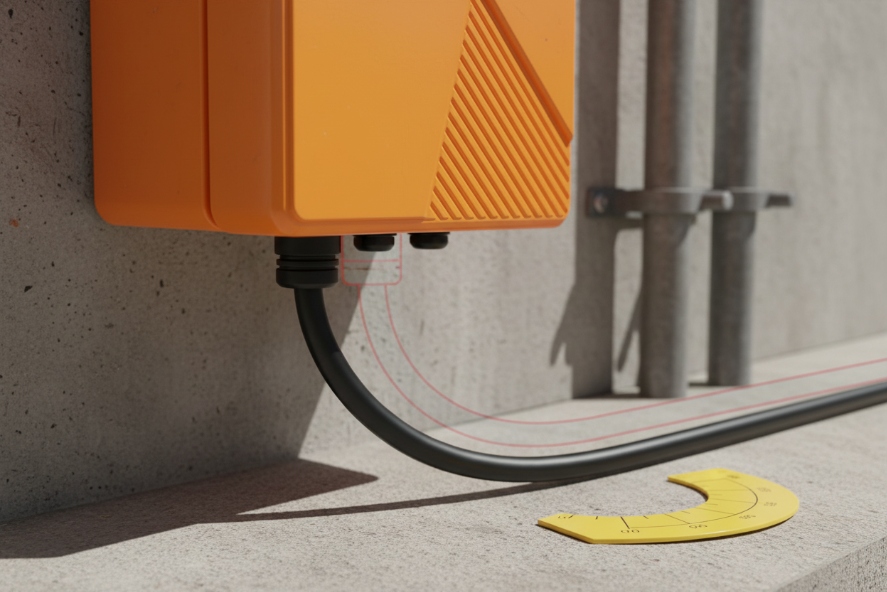
Proper cable sealing is not just about selecting the right gland but also ensuring the mechanical integrity of the installation:
-
Strain Relief: A strain-relief gland is used when the cable may be exposed to tensile or pulling forces, such as in handsets or exposed installations. Strain relief 3 ensures that the cable remains securely in place without placing excessive force on the gland or seal, which could lead to leak paths over time.
-
Bend Radius: Ensuring that the cable adheres to the manufacturer’s bend radius specifications is vital for preserving the integrity of the cable jacket and the gland seal. If the cable is bent too sharply, it can damage the jacket and lead to water ingress at the point of installation.
-
Torque Specifications: Proper tightening of the gland is essential to maintain an effective seal. Following the manufacturer’s torque specifications ensures that the gland is tightened securely but not over-torqued, which could deform the sealing elements and result in leaks.
In conclusion, correct strain relief, bend radius, and adherence to torque specs are essential for maintaining the IP66/IP67 rating and preventing leak paths in the cable entry.
| Component | Function | Best Practice |
|---|---|---|
| Strain Relief | Prevents cable movement and excessive force | Use with cables subjected to tension |
| Bend Radius | Prevents damage to the cable | Follow manufacturer’s specifications |
| Torque Specifications | Ensures gland is properly tightened | Prevents over-tightening and damage |
Are sealing washers, thread types, and sealants matched to the enclosure?
To maintain sealing, sealing washers, thread types, and sealants must be correctly matched to the enclosure. How does this ensure continued weatherproofing after installation?
Sealing washers and sealants ensure a secure connection between the gland and enclosure. Proper thread types (e.g., M20, NPT) and sealants (e.g., Teflon tape for NPT) prevent ingress by sealing the interface between the gland and the enclosure.
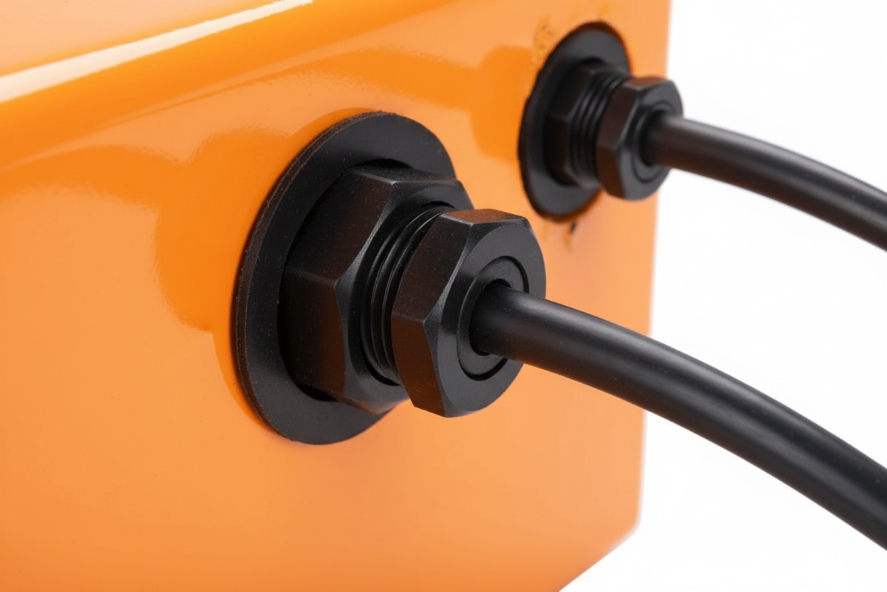
To ensure a weatherproof seal, the installation of the gland must be done with the correct components, including sealing washers, thread types, and sealants:
-
Sealing Washers: Use the correct sealing washer (such as an O-ring for metric threads or flat washers for BSP threads) to compress against the gland and enclosure. This compression ensures a tight, leak-proof seal around the cable entry.
-
Thread Types: The thread type (e.g., M20 4, NPT 5) must be matched to the gland and the enclosure’s entry. The seal is only effective if the gland’s thread matches the housing thread perfectly. For example, NPT threads require thread sealants (like Teflon tape) to prevent leaks, while metric threads require flat washers or O-rings.
-
Sealants: For NPT threads, Teflon tape 6 or thread compound should be applied to the threads before installing the gland to ensure a leak-resistant seal. For metric threads, O-rings or flat washers are used instead of sealants to achieve a tight seal without damaging the threads.
Ensuring these components are matched correctly is essential for maintaining the IP66/IP67 rating and preventing water or dust ingress.
| Component | Function | Best Practice |
|---|---|---|
| Sealing Washers | Provides leak-proof seal | Use O-ring 7 (metric) or flat washer (BSP) |
| Thread Types | Matches the gland and housing | Match thread type (e.g., M20, NPT) |
| Sealants | Prevents leakage through threads | Use Teflon tape for NPT, O-ring for metric |
How are post-installation hose-down tests and inspections documented?
After installation, hose-down tests and inspections are performed to verify sealing effectiveness. How are these tests documented to ensure compliance with ingress protection standards?
Hose-down tests are conducted to ensure sealing integrity. The results, along with any necessary inspections, are documented to verify the enclosure’s compliance with IP66/IP67 standards.
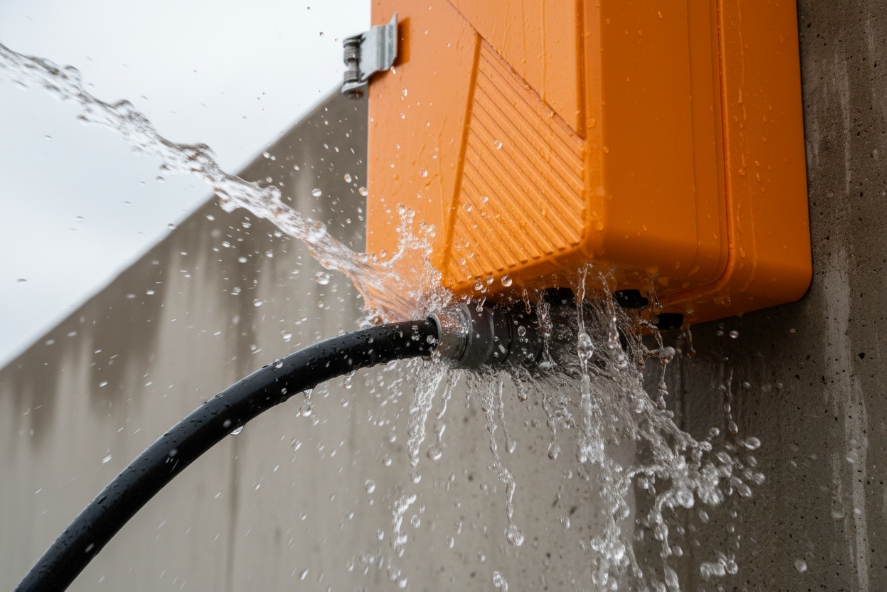
To verify that the IP66/IP67 rating is maintained after installation, hose-down tests are typically performed on the installed weatherproof telephone. These tests simulate water exposure under controlled conditions to ensure that the cable entries and glands maintain their integrity.
-
Hose-Down Tests: During the hose-down test 8, water is sprayed at various angles and pressures to simulate rain or washdown conditions. The weatherproof telephone is then inspected for water ingress. If any leaks are found, the installation must be re-evaluated, and any issues corrected before re-testing.
-
Documentation: All test results and inspection findings are typically documented as part of the installation or maintenance report. These documents verify that the installation complies with IP66/IP67 standards and that the glands, seals, and cable entries are functioning correctly.
By performing hose-down tests and documenting the results, installers can ensure that the weatherproof telephone meets the necessary ingress protection standards and is ready for use in demanding outdoor environments.
| Test Type | Purpose | Documentation |
|---|---|---|
| Hose-Down Test | Verifies IP66/IP67 sealing after installation | Document results to confirm compliance |
| Inspection | Ensures no water ingress | Record findings and address any issues |
Conclusion
Cable sealing for weatherproof telephones is achieved through the use of high-quality glands, sealing washers, and proper installation practices. By ensuring proper gland selection, thread matching, and post-installation testing, the telephone remains fully protected against water, dust, and environmental hazards.
Footnotes
-
Defines the IP66 rating, indicating protection against powerful water jets and dust. ↩
-
Defines the IP67 rating, indicating protection against immersion in water up to 1 meter. ↩
-
Overview of strain relief bushings and their role in preventing cable damage from pull forces. ↩
-
Technical data on ISO metric threads, commonly used for cable glands (e.g., M20, M25). ↩
-
Explains the National Pipe Taper (NPT) standard used for threaded pipe and fittings in North America. ↩
-
Instructions on how to properly apply PTFE tape for sealing NPT threaded connections. ↩
-
A guide to O-rings and sealing washers, explaining their function in creating watertight seals. ↩
-
Overview of NEMA enclosure types, which often include hose-down testing requirements similar to IP ratings. ↩








