
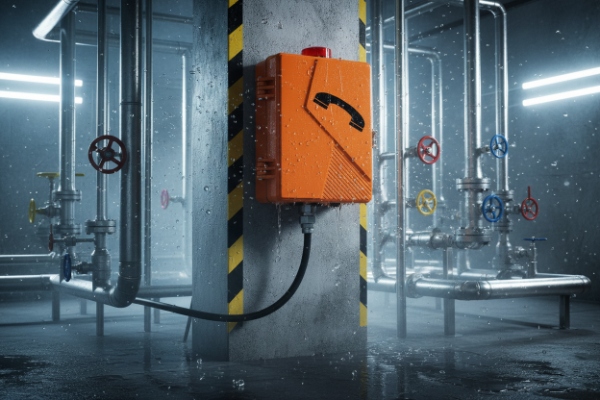
Weatherproof telephone enclosures are built to withstand harsh outdoor conditions, including exposure to chemicals. However, their resistance to specific chemicals can vary based on the materials used in their construction and the type of protective coatings applied.
Yes, weatherproof telephone enclosures are generally resistant to many common chemicals, but the degree of resistance depends on the material and coating type.
Chemical resistance is an essential factor in ensuring that weatherproof telephones remain operational in environments where exposure to acids, alkalis, solvents, and oils is common. However, to ensure the right performance, it’s crucial to understand the materials used in the enclosures, as well as how various chemicals interact with them.
Which Materials Withstand Acids, Alkalis, Solvents, and Oils?
The materials used in weatherproof telephone enclosures play a significant role in determining how well they can withstand exposure to chemicals. Here’s an overview of materials that offer good chemical resistance:
Fiberglass-reinforced polyester, polycarbonate, aluminum alloys with protective coatings, and specialized plastics offer good resistance to acids, alkalis, solvents, and oils.
Fiberglass-Reinforced Polyester
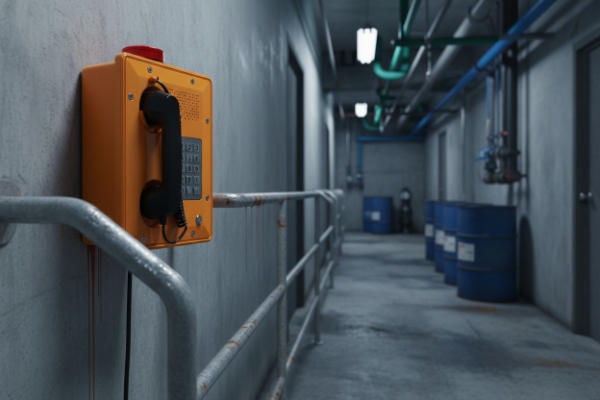
Fiberglass-reinforced polyester (FRP) 1 is known for its excellent chemical resistance, particularly to acids, alkalis, and solvents. This material is widely used in harsh industrial environments because of its durability and ability to withstand aggressive chemicals. It is also resistant to UV degradation, making it suitable for outdoor use.
Polycarbonate and ASA/ABS Blends
Polycarbonate (PC) 2 and ASA/ABS blends are UV-stable plastics that offer resistance to mild detergents and splashes. However, they do not perform well when exposed to hydrocarbons or strong solvents, which can degrade the material over time. For applications where exposure to oils or fuels is expected, these materials may not provide adequate protection.
Aluminum Alloys with Protective Coatings
Aluminum alloys, when treated with protective coatings such as anodizing 3 or powder coating, can handle water, salt spray, and mild cleaners effectively. However, they may not be resistant to strong acids or alkalis. Over time, aggressive solvents or chemicals can attack the coatings or infiltrate crevices, compromising the enclosure’s integrity.
Specialized Plastics
Some specialized plastics, such as High-Density Polyethylene (HDPE) 4 or polypropylene, can offer good chemical resistance, especially to oils, acids, and alkalis. These materials are commonly used in applications where exposure to aggressive chemicals is frequent. However, their ability to resist solvents may be limited compared to fiberglass or aluminum.
Is There a Published Chemical Compatibility Chart?
Yes, many manufacturers provide chemical compatibility charts that outline the resistance of various enclosure materials to specific chemicals. These charts can help in selecting the right material for a particular application, as they provide detailed information on how well different materials withstand exposure to acids, alkalis, oils, solvents, and other substances.
Published chemical compatibility charts can be invaluable in ensuring the proper selection of materials for weatherproof enclosures based on the chemicals they will be exposed to.
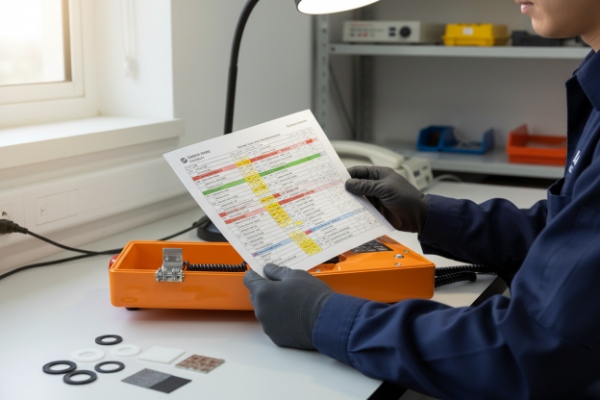
These charts typically list the performance of common enclosure materials, such as fiberglass, polycarbonate, aluminum, and specialized plastics, against a variety of chemical agents. They often classify the resistance level as excellent, good, fair, or poor, helping engineers make informed decisions when designing enclosures for harsh chemical environments.
Factors to Consider in Chemical Compatibility
When referring to a chemical compatibility chart 5, consider factors like:
-
Chemical Concentration: Some materials may resist a low concentration of a chemical but degrade when exposed to higher concentrations.
-
Temperature and Pressure: Many materials perform differently under varying temperature and pressure conditions. Always ensure that the test conditions match the operational environment.
-
Exposure Duration: The length of time the material will be exposed to a chemical can also impact its performance. Some materials may withstand short-term exposure but fail under prolonged contact.
Are Splash vs. Immersion Tests Performed?
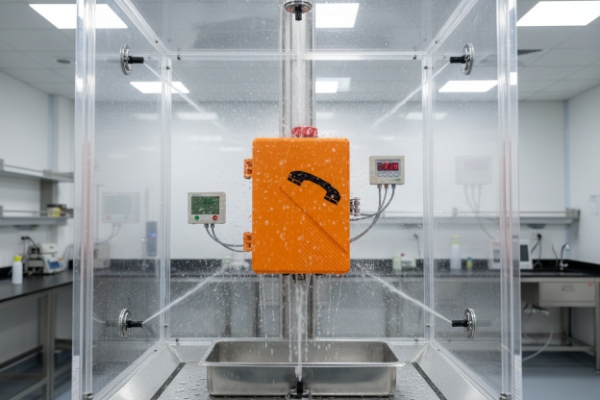
Yes, weatherproof enclosures undergo various tests to assess their chemical resistance, including tests for splash versus immersion. Splash tests simulate brief exposure to chemicals, while immersion tests simulate longer contact, such as when chemicals are continuously exposed to the material.
Splash and immersion tests help determine how enclosures will perform under different conditions of chemical exposure.
Splash Testing
Splash testing involves exposing the enclosure to chemicals for short durations, mimicking situations where chemicals might splash onto the enclosure during operations. This type of test helps evaluate the immediate resistance of the material to chemical damage or degradation. Materials that perform well in splash tests are typically resistant to surface damage from quick contact with mild to moderate chemicals.
Immersion Testing
Immersion testing 6 is more comprehensive, as it exposes the enclosure to chemicals for longer durations, simulating conditions where the enclosure might be submerged or exposed to chemicals over an extended period. This test is crucial for enclosures intended for environments with high chemical exposure, such as industrial plants or outdoor areas with frequent chemical spills.
Do Gaskets and Glands Match Chemical Exposure?
Yes, gaskets and glands used in weatherproof enclosures must be chosen carefully to match the expected chemical exposure. Elastomeric materials used in gaskets, such as EPDM, NBR, or Viton, have different levels of resistance to chemicals, and selecting the right material is essential to maintaining the integrity of the seal.
The selection of gaskets and glands is critical to ensure that weatherproof enclosures remain sealed and protected from chemical exposure.
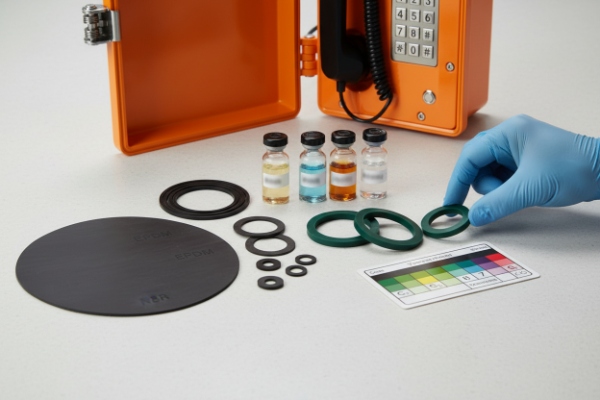
Gasket Materials
-
EPDM (Ethylene Propylene Diene Monomer): Offers good resistance to water, alkalis, and acids but may degrade with oils and solvents. (See EPDM compatibility 7)
-
NBR (Nitrile Butadiene Rubber): Performs well with oils and fuels but has limited resistance to acids and alkalis. (See Nitrile properties 8)
-
Viton (Fluoroelastomer): Known for its resistance to a wide range of chemicals, including acids, alkalis, oils, and solvents, making it an excellent choice for demanding environments. (See Viton compatibility 9)
Cable Glands
Cable glands 10, like gaskets, must also be selected based on the chemical exposure in the environment. Many cable glands are made from materials such as stainless steel or specialized plastics, which offer good chemical resistance. It is essential to ensure that the glands used in weatherproof telephone enclosures are resistant to the same chemicals that the enclosure itself will be exposed to.
Conclusion
Weatherproof telephone enclosures can offer excellent chemical resistance, but it’s crucial to choose the right materials and coatings based on the specific chemicals they will encounter. By using corrosion-resistant materials, selecting appropriate gaskets and glands, and referencing chemical compatibility charts, you can ensure the enclosure performs well in harsh environments.
Footnotes
-
Overview of the properties of Glass Reinforced Plastic (GRP/FRP) and its industrial uses. ↩
-
Details on Polycarbonate (PC), its properties, and typical applications. ↩
-
Explanation of the anodizing process and how it protects aluminum surfaces. ↩
-
Describes High-Density Polyethylene (HDPE), its chemical resistance, and uses. ↩
-
A comprehensive database for checking material compatibility with various chemicals. ↩
-
Information on chemical resistance testing methods, including immersion. ↩
-
Discusses EPDM rubber properties, highlighting its resistance to weathering and polar chemicals. ↩
-
Details the properties of Nitrile (NBR) rubber, particularly its oil and fuel resistance. ↩
-
Official resource on Viton fluoroelastomers and their broad chemical resistance. ↩
-
Guide to material compatibility for cable glands in different environments. ↩








