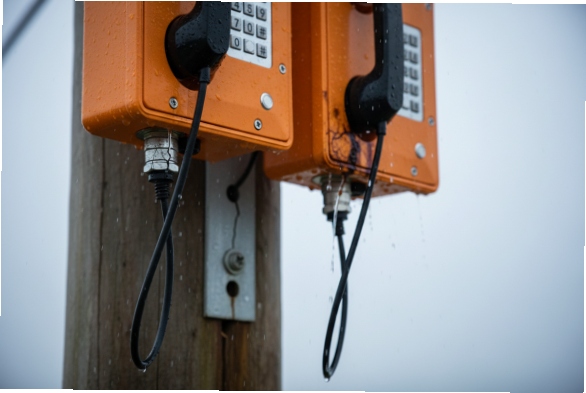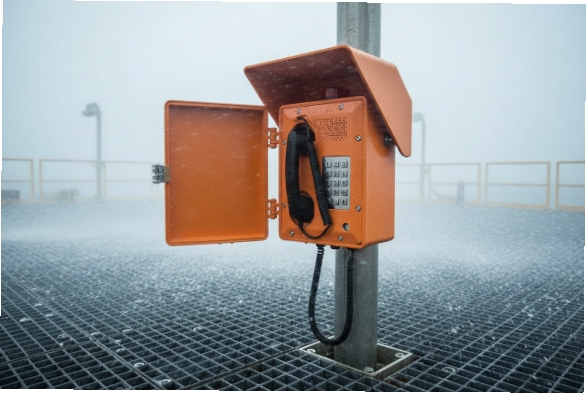
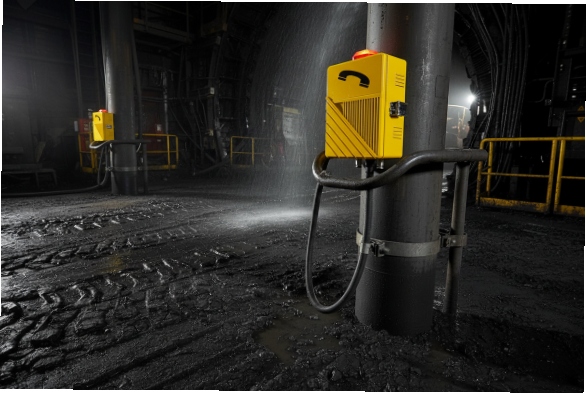
A mine portal looks “outside,” but methane and coal dust do not respect the doorway. One wrong device can create risk and fail inspections.
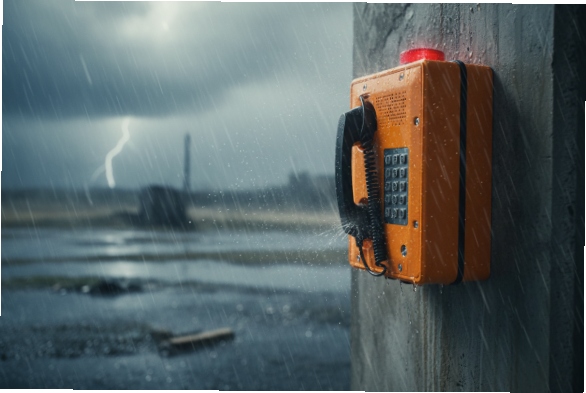
Explosion-proof SIP telephones can be suitable at pitheads and shaft entries when the approval matches methane and coal-dust rules for that portal, and when the station is built for mud, vibration, and washdown.
Mine portals mix gas, dust, water, and heavy traffic
Portals are a boundary, not a simple location
A pithead or shaft entry is where surface systems meet underground rules. Methane can migrate. Coal dust can settle on everything. Mobile plant shakes mounts loose. Hoses and mud load the seals. That mix is why “Ex-rated” alone is not enough.
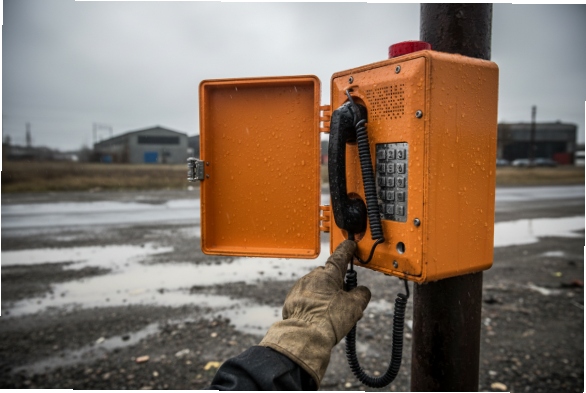
Treat the phone as a station, not a handset
A reliable portal station has five parts that must match each other:
-
the phone (rating + temperature limit + materials)
-
the cable entry (glands + plugs + strain relief)
-
the mounting (guard + vibration control)
-
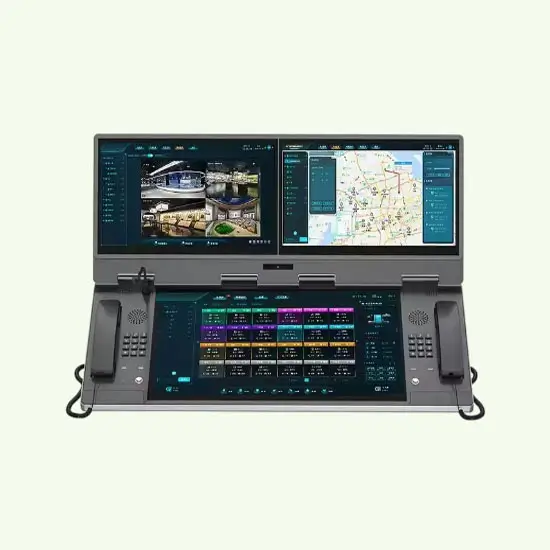
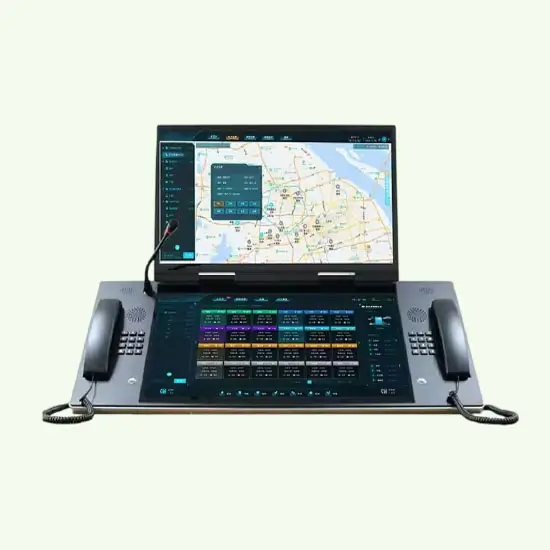
the network edge (PoE switch or media converter in a protected box)
-
the alarm workflow (PBX + paging + beacon logic)
If one part is weak, the site will see link flaps, poor audio, or water ingress. The failure will look random. The root cause is usually mechanical.
Match the protection concept to maintenance reality
At portals, service is hard. Dust and mud hide problems. So the best design is the one that needs the least opening and the least adjustments. That means:
-
sealed keypads and membranes that clean easily
-
stainless fasteners that do not seize
-
simple hotlines and clear labels
-
monitoring so faults are visible before a drill fails
| Portal risk | What breaks first | Best control |
|---|---|---|
| Methane drift | compliance and ignition control | correct Group/Zone or Class/Div approval |
| Coal dust layers | surface heating and tracking | dust-rated approval + housekeeping plan |
| Vibration and shock | loose glands and connectors | locking hardware + strain relief + stiff mounts |
| Mud and washdown | entry leaks | IP66 1/IP67 chain, downward entries, drip loops |
| Remote areas | slow response | PBX hotlines + paging + remote monitoring |
A portal phone works when it is designed like critical safety equipment, not like a plant office phone.
A clear rating choice comes next, because methane and coal dust drive different approvals and markings.
Which methane/coal dust ratings (Group I/Zone, Class I/II) are needed at portals?
Portal classification is where most projects lose time. People either overbuy, or they fail an inspection.
Coal mines often need mining-specific approvals for firedamp (methane) and coal dust. At the surface portal, the rating may be mining Group I (where required) or a Class I/II approach at the surface, based on the site classification and regulator rules.
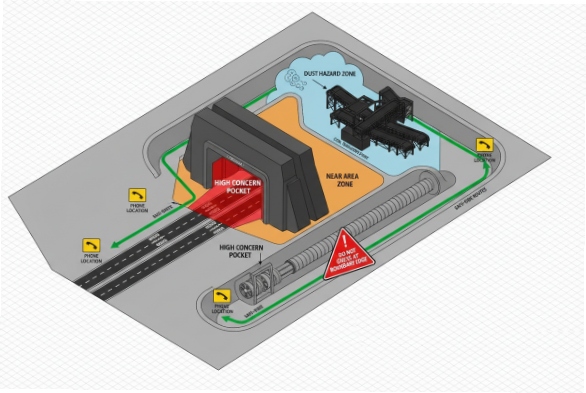
Group I vs surface gas/dust groups
For IEC/ATEX style marking, mining has a specific equipment group. Group I is intended for mines that can have firedamp 2 and mine dust hazards. Some markings also split mining equipment into categories like M1 or M2, which indicate the protection level and how the equipment behaves when an explosive atmosphere is present.
This matters because a portal is not always treated like a normal “surface plant.” Some mines treat surface installations at the mine as part of the mining hazard scope, especially near shaft entries and ventilation paths. The local code and the mine’s safety case decide that.
Zone thinking at portals
If your site uses Zones, the portal may be treated like:
-
a tighter zone near the shaft collar or ventilation opening
-
a wider zone in the near area if releases are possible
-
or no zone if ventilation and gas management keep methane below limits
Coal dust can create dust zones near handling, transfer points, and dust collectors. That is a different hazard than methane. A phone may need both gas and dust suitability, or it may be located outside the tight dust release area and still be reachable.
Class/Division thinking at portals
If your site uses NEC Class/Division, methane is a Class I concern. Coal dust is a Class II concern. Div 1 is where the hazard can be present during normal work. Div 2 is where it is not likely in normal work, but can occur under abnormal conditions.
Many surface portal areas are treated as Div 2 for methane when releases are not expected in normal operation. Coal handling can create Class II areas in and around transfer points. A mine safety engineer must define this based on the actual process and ventilation.
Mining regulator reality
In the United States, underground coal and gassy underground metal mines often require MSHA 3 approvals for equipment used underground, and the rules can affect systems that interface with underground equipment. That is why a “normal ATEX phone” is not automatically acceptable for every mine site.
| Portal area | Typical hazard driver | Rating direction to evaluate | Placement tip |
|---|---|---|---|
| Shaft collar / drift mouth | methane drift + poor dispersion | mining Group I or Class I (per study) | mount outside the tightest boundary if possible |
| Coal transfer near portal | dust cloud + dust layer | Class II or dust-zone rating | keep out of direct dust blast path |
| Fuel bay near yard | fuel vapor | Class I Div 2 common | keep phone on exit route, not inside bay |
| Paint/solvent store | solvent vapor | Class I (zone/div per study) | mount outside room on the safe side |
The safest pattern is simple: follow the mine’s classification drawings and regulator acceptance, then place the station to reduce hazard exposure while staying reachable.
Once the rating is right, the station still has to survive mud, vibration, and washdown every week.
Do IP67, IK10, anti-static housings handle mud, vibration, and washdown?
Portal phones fail more from abuse than from electronics. Mud packs into gaps. Vibration loosens glands. Hoses drive water into weak entries.
Yes. IP67 sealing and IK10 impact strength can handle portal conditions when the full sealing chain includes dust-tight glands and plugs, and when mounts and cables are built for vibration and shock. Anti-static design helps reduce dust-related static risk.
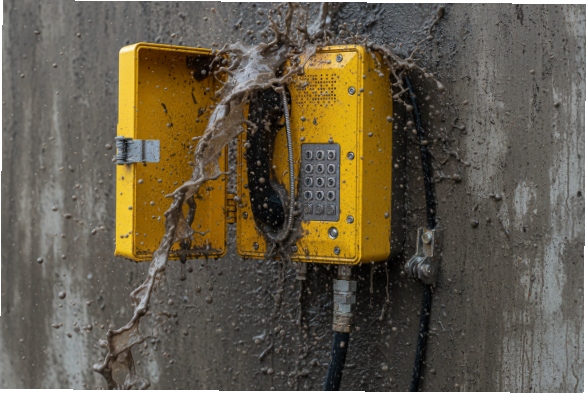
IP67 must include the cable entry, not only the box
A phone can be IP67 on paper and still leak at the gland. At portals, the cable entry is the first failure point because:
-
water runs down cable jackets
-
mud holds moisture around threads
-
vibration works the gland loose
A good portal entry setup uses:
-
glands that match the phone approval and the cable type
-
inserts sized to the real cable outer diameter
-
sealed stopping plugs for unused entries
-
downward-facing entries when possible
-
drip loops so water drips off before the entry
IK10 helps, but the mount must be stiff
IK10 4 protects the enclosure from impacts. Portals add vibration from fans, crushers, and traffic. A long flexible bracket becomes a tuning fork. It amplifies vibration. That loosens screws and breaks cradles.
A better mount is:
-
short and stiff
-
protected by a guard hoop
-
placed out of direct strike zones from mobile plant
Anti-static housing and bonding
Coal dust hazards add a static concern. Anti-static or static-dissipative external parts help reduce charge build-up on non-metal surfaces. Still, bonding is the real workhorse. Metal housings and brackets should be bonded into the site equipotential bonding system. Bond points must stay clean and tight because corrosion and vibration loosen lugs over time.
Washdown and mud cleaning without damage
Portal cleaning often uses hoses. High-pressure jets can force water into ports if the design is weak. It also pushes grit into keypad edges. A better phone has:
-
sealed keypad membrane
-
protected mic/speaker membranes
-
smooth faceplate that rinses clean
-
clear service rules that avoid scraping seals
| Portal threat | What it does | Better hardware choice |
|---|---|---|
| Mud paste | holds water at seams | smooth face + sealed keypad + rinse plan |
| Hose jets | drive water into weak points | IP66/67 chain, protected ports, correct gland torque |
| Vibration | loosens entry and mount | locking hardware, short bracket, strain relief |
| Impact | breaks handset and cradle | IK10 body, guard hoop, armored cord |
| Dust layer | insulates surfaces | housekeeping schedule + correct temperature limits |
With these choices, a portal station becomes “wash-and-go” instead of “open-and-dry every month.”
After survivability, the next question is whether the phone can join the mine’s voice and alarm workflow, including paging and cap-lamp alerts.
Can phones link with IP PBX, PAGA, cap-lamp beacons, and emergency phones?
A portal phone is only useful if people hear it and if the control room sees where it is. Mines also need paging and alarm signals that reach crews fast.
Yes. SIP stations can register to an IP PBX, trigger and receive PAGA paging, and link to beacon and cap-lamp alert workflows through controllers and gateways. The clean design keeps safety logic in control systems and uses SIP for voice and escalation.
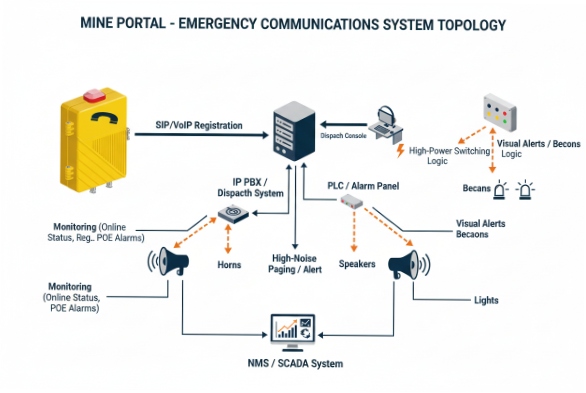
IP PBX: keep calling simple and location-clear
At portals, users wear gloves and PPE. A practical PBX setup uses:
-
one emergency button that auto-dials a staffed group
-
ring groups with escalation
-
clear station naming like “Shaft Entry North” or “Pithead Gate 2”
-
call logs for incident review
This reduces wrong calls and speeds response.
PAGA and yard paging: make alerts obvious in noise
Pitheads are loud. Vent fans and plant noise mask ringers. PAGA 5 paging solves this. Two common patterns work:
-
PBX sends SIP paging to a paging gateway that feeds amplifiers and horns
-
dispatch sends multicast paging to IP horns and speakers
Priority matters. Emergency paging must override routine pages, and emergency calls must not be blocked by paging audio.
Cap-lamp beacons and mine-wide alarms
Many mines use visual alerts on cap lamps or local beacons for alarms. A SIP 6 phone can support that workflow by:
-
sending a dry contact to a PLC 7 or alarm panel when an emergency button is pressed
-
receiving an alarm input that lights a local strobe
-
triggering callouts and pages from a dispatch server
The phone should not directly drive high-power beacons. Let the PLC or alarm panel do that. It keeps wiring stable and auditing clear.
Keep emergency phones consistent across surface and portal
If the mine already uses dedicated emergency call boxes, a SIP station can be the voice endpoint and also integrate with the same alarm logic. The key is consistency. Crews should not have to learn two different workflows depending on the doorway.
| Mine function | Best owner system | Phone role |
|---|---|---|
| Emergency voice | IP PBX/dispatch | hotline + location ID |
| Site-wide alert | PAGA/dispatch | paging to horns, priority rules |
| Visual beacon | PLC/alarm panel | PLC drives strobe, phone triggers event |
| Cap-lamp alert | mine alarm system | gateway/PLC bridges alarm states |
| Health monitoring | NMS/SCADA | online status, registration state, PoE alarms |
Integration is easiest when the portal network edge is stable. A protected PoE switch in a sealed cabinet, often with fiber backhaul, reduces dropouts and reduces surge risk.
The last topic is the most sensitive: intrinsic safety and grounding at the portal, especially when circuits interface with underground systems.
What intrinsically safe barriers and grounding are mandated topside?
This is where small wiring mistakes become major compliance findings. A barrier is only safe when it is installed and earthed correctly.
Intrinsically safe barriers are required only when the phone or its I/O uses Ex i circuits into hazardous areas. Zener barriers need a high-integrity earth, while galvanic isolators often avoid that dedicated IS earth need. Grounding, bonding, and segregation rules must follow the site standard and regulator acceptance.
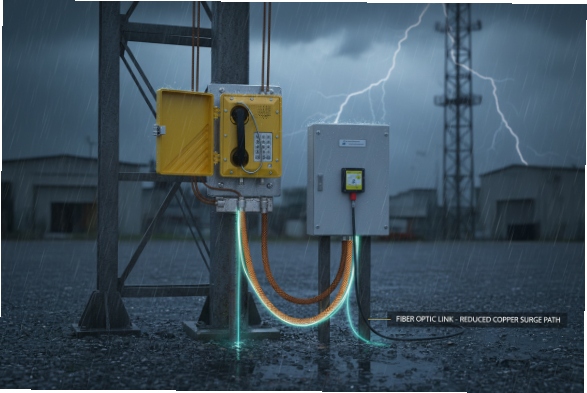
When intrinsic safety is the right approach
For portal phones, there are two common approaches:
-
Flameproof / increased safety phones (Ex d / Ex e style) with robust enclosures and certified cable entries
-
Intrinsically safe circuits (Ex i) used for low-power I/O, call points, or peripherals that must be light and simple
If the phone itself is a full Ex d station, an IS barrier may not be part of the phone power path. Still, IS barriers often appear when the phone ties into:
-
external pushbuttons in the hazardous area
-
gas sensor inputs
-
alarm contacts that must be IS
-
remote I/O modules located in the hazardous boundary
Zener barriers vs galvanic isolators
A practical difference matters in the field:
-
Zener barriers 8 depend on a high-integrity earth connection to stay safe under fault.
-
Galvanic isolators 9 provide isolation and usually do not rely on the same dedicated IS earth path.
This affects installation cost and long-term reliability because earth connections corrode and loosen at portals.
Grounding and bonding at the portal
A portal is exposed to lightning surges and large motor starts. Grounding should be treated as a system:
-
bond the phone housing and bracket to the equipotential bonding system
-
keep bonding conductors short and protected from mechanical damage
-
segregate IS wiring from non-IS wiring and label it clearly
-
route cables to avoid pinch points and avoid running parallel with high-power drives when possible
If a Zener barrier is used, the earth connection must be maintained over time. It should be measured and documented in the maintenance plan. In a vibration and mud zone, that plan is not optional.
Topside compliance reality in mines
Mining adds a regulator layer. In some jurisdictions, the key question is not only “is it IECEx/ATEX compliant?” The question is also “is it accepted by the mining authority for this location and this interface?” In the United States, MSHA acceptance and documentation rules can apply when systems interface with mine monitoring and approved equipment. That is why the safest step is to align the barrier choice and wiring method with the mine’s approved drawings and the authority’s requirements.
| Item | What to control | Why it matters |
|---|---|---|
| IS barrier type | zener vs galvanic isolator | drives earthing and maintenance burden |
| IS earthing | high-integrity path if required | fault energy must return safely |
| Segregation | separate IS and non-IS wiring | prevents accidental energy coupling |
| Bonding | equipotential bonding of metalwork | reduces shock risk and static issues |
| Documentation | drawings and change control | mines require traceable approvals |
A portal phone stays compliant when barriers, earthing, and bonding are treated like safety devices, not like “extra wiring.”
Conclusion
Explosion-proof SIP phones work at pitheads when methane and coal-dust approvals match the portal map, the station is sealed and rugged, and intrinsic-safety grounding rules are installed and maintained with discipline.
Footnotes
-
Ingress Protection rating indicating an enclosure is dust-tight and protected against powerful water jets. ↩
-
A flammable gas found in coal mines, primarily methane. ↩
-
Mine Safety and Health Administration, a US federal agency responsible for enforcing safety and health standards in mines. ↩
-
International numeric classification for the degrees of protection provided by enclosures for electrical equipment against external mechanical impacts. ↩
-
Public Address/General Alarm: A system used to broadcast voice messages and alarm tones in industrial settings. ↩
-
Session Initiation Protocol: A signaling protocol used for initiating, maintaining, and terminating real-time sessions. ↩
-
Programmable Logic Controller: A digital computer used for automation of typically industrial electromechanical processes. ↩
-
A device used to connect intrinsically safe circuits to non-intrinsically safe circuits, limiting energy to prevent ignition. ↩
-
A method of isolating functional sections of electrical systems to prevent current flow; used in barriers without direct earth connection requirements. ↩