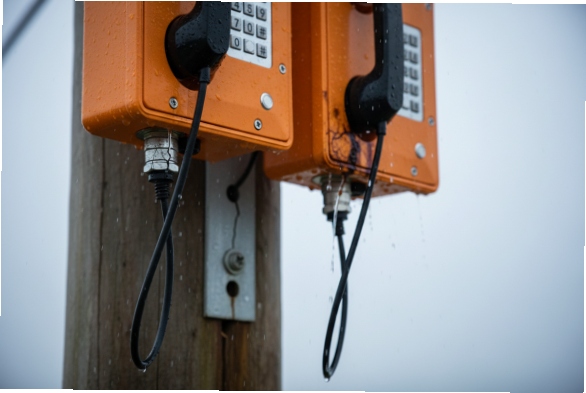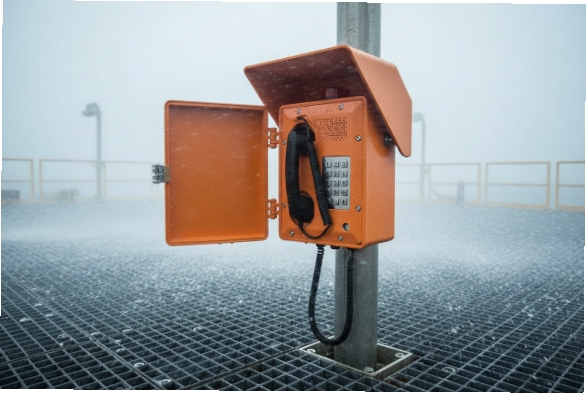
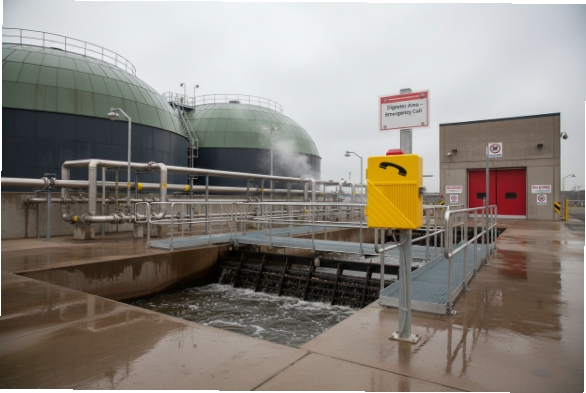
Wastewater treatment plants (WWTPs) are highly corrosive, hazardous environments where biology meets industrial processing. With the constant presence of "sewer gas" (Hydrogen Sulfide), methane generated in digesters, and corrosive chlorine used for disinfection, standard communication equipment rots and fails rapidly. Can a digital phone system survive the "stink" and the danger?
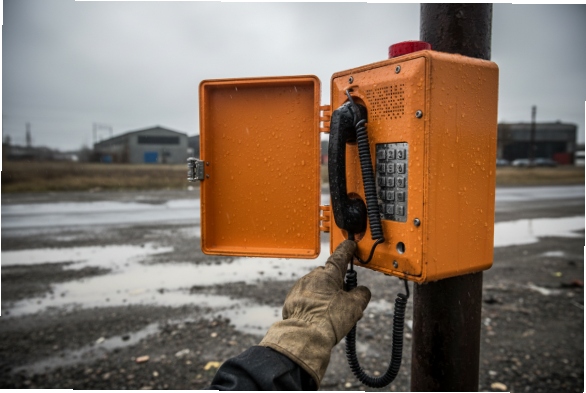
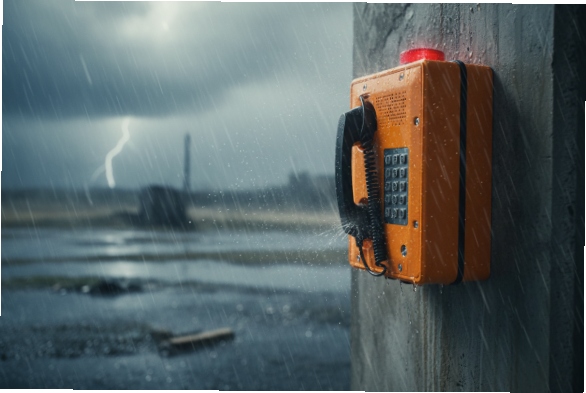
Yes, explosion-proof SIP telephones are a standard requirement for wastewater treatment plants. Rated for Zone 1/2 environments, they utilize corrosion-proof 316L stainless steel housings to withstand H2S and chlorine exposure. Their ability to integrate with SCADA and drive high-intensity beacons makes them ideal for noisy blower rooms and hazardous digester areas.
The "Biogas" and Corrosion Battlefield
A modern WWTP is effectively a power plant that runs on waste. The anaerobic digesters produce Methane (CH4), a valuable but explosive fuel. Meanwhile, the headworks and primary settling tanks release Hydrogen Sulfide 1 (H2S), a gas that attacks copper and aluminum electronics with ruthless efficiency.
In my years outfitting municipal water districts with DJSlink gear, the #1 complaint is not about the phones working, but about them existing. I’ve seen plastic phones turn brittle and crack from UV and chemical fumes, and standard aluminum enclosures turn into white powder.
For a WWTP, the phone is a safety device. It allows a lone worker in a remote lift station or a technician on top of a digester to call for help without needing to retreat to a "safe zone."
| Area | Primary Hazard | Recommended Protection |
|---|---|---|
| Headworks | H2S Corrosion / Wet | 316L Stainless Steel / IP67 |
| Digester Control | Methane (Explosion) | Zone 1 / Class I Div 1 |
| Chlorine Room | Corrosive Gas | 316L + Conformal Coating 2 |
| Blower Room | High Noise | Noise Cancelling + Beacon |
Which Zone 1/2 ratings cover digester gas and blower rooms?
Zoning in a WWTP is dictated by the NFPA 820 3 standard (in the US) or IEC 60079 elsewhere.
The area immediately surrounding sludge digester vents, gas compressors, and sludge gas piping is typically Class I, Division 1 (or Zone 1), as explosive methane is expected. Blower rooms and general sludge processing areas are often classified as Class I, Division 2 (Zone 2), where gas presence is possible but unlikely.

-
Zone 1 4 (The Red Zone): This includes the "bubble" around the pressure relief valves of the Anaerobic Digesters and the Gas Holding Tanks**. Any electrical equipment here, including the phone, must be fully flameproof (Ex d).
-
Zone 2 (The Yellow Zone): This covers the Sludge Dewatering Building or Bar Screen Rooms. Methane might escape if a seal blows. Here, non-incendive equipment is acceptable, but most plants standardize on Zone 1 gear to simplify spare parts inventory.
-
Corrosive but Non-Explosive: Areas like the Chlorine Contact Chamber are not explosive but are incredibly corrosive. While not "Ex" rated zones, the same industrial-grade phones are used purely for their chemical resistance.
Do IP66/67, 316L housings resist H2S, chlorine, and spray-downs?
Corrosion is the silent killer of WWTP infrastructure.
Absolutely. IP66/IP67 ratings protect against the frequent high-pressure washdowns required for sanitation. We specify Electro-polished 316L Stainless Steel 5 housings because they are chemically inert to Hydrogen Sulfide (H2S) and Chlorine gas, which destroy standard aluminum and plastic within months.**

The Chemistry of Survival
-
H2S vs. Copper: H2S reacts with copper to form copper sulfide (black tarnish), which is non-conductive. This kills circuit boards. Our phones use Conformal Coating on all internal PCBs to seal the copper traces from the gas.
-
316L Stainless Steel: This alloy contains Molybdenum 6, which provides specific resistance to pitting from chloride solutions (like chlorine bleach and salty wastewater). It is the only material that lasts 10+ years in a headworks building.
-
Water Ingress: Treatment plants are wet. Whether it’s rain at an outdoor clarifier or a hose-down in the press room, the IP67 7 rating (submersible for 30 mins) ensures the phone never drowns.
Can devices tie into IP PBX, PAGA, beacons, and SCADA trips?
Integration transforms the phone from a passive device into an active alarm.
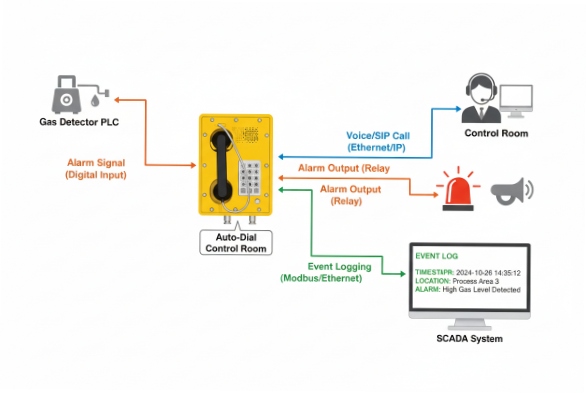
Yes, SIP phones integrate with the plant-wide IP PBX and can act as local PAGA amplifiers. Crucially, they interface with the SCADA system via relay outputs—if a pump fails or a gas alarm trips, the phone can trigger a high-intensity flashing beacon to alert workers in high-noise areas like blower rooms.
Breaking Through the Noise
-
Blower Rooms: The aeration blowers generate >100dB of noise. A ringtone is useless. We wire the SIP phone’s auxiliary relay to a Blue Strobe Light and a 110dB Horn. When a call comes in, the room lights up, ensuring the operator sees the alert.
-
SCADA Feedback: The phone’s Digital Input can be wired to the "General Fault" relay of a local control panel (PLC 8). If the lift station pump trips, the phone can automatically dial the on-call operator’s mobile with a pre-recorded message: "Pump Failure at Station 9."
-
Emergency Pull Cords: In chemical storage rooms, we often wire the phone to an emergency pull-cord system. Pulling the cord triggers the phone to dial 911 or the control room immediately.
What corrosion control and bonding ensure long-term reliability?
Installation details matter when the air itself is corrosive.
Long-term reliability relies on using 316L stainless steel conduit and cable glands to match the phone’s resistance. Proper equipotential bonding (earthing) is mandatory to prevent static buildup in methane areas and to mitigate galvanic corrosion 9 between dissimilar metals.

Installation Best Practices
-
Material Mismatch: Never use galvanized steel conduit with a stainless steel phone in a wet environment. The galvanized steel will sacrifice itself (rust) rapidly due to galvanic corrosion. Always use Stainless Steel or PVC-coated rigid conduit.
-
Gel-Filled Connections: Inside the junction box, we recommend using gel-filled wire nuts or terminal grease. This prevents the humid, sulfide-laden air from corroding the actual copper wire connections where they are stripped.
-
Breather Drains: In outdoor conduit runs, condensation is inevitable. Installing a certified explosion-proof breather/drain 10 ensures that water doesn’t accumulate inside the conduit and flood the phone from the inside.
Conclusion
Wastewater treatment plants are hostile environments that demand more than just "waterproofing." By selecting Zone 1 certified SIP telephones with 316L stainless steel construction and conformal-coated electronics, you defend against the twin threats of methane explosion and H2S corrosion. Integrated with your SCADA and alarm systems, DJSlink’s solutions ensure that safety communication flows as reliably as the process itself.
Footnotes
-
A colorless chalcogen hydride gas with the characteristic foul odor of rotten eggs. ↩
-
A protective chemical coating or polymer film that safeguards electronic circuits from harsh environments. ↩
-
NFPA 820: Standard for Fire Protection in Wastewater Treatment and Collection Facilities. ↩
-
A hazardous area classification where an explosive atmosphere is likely to occur in normal operation. ↩
-
A molybdenum-bearing austenitic stainless steel known for its corrosion resistance. ↩
-
A chemical element with the symbol Mo and atomic number 42, used to strengthen steel. ↩
-
Ingress Protection ratings defined by IEC standard 60529. ↩
-
Programmable Logic Controller, an industrial digital computer which has been ruggedized and adapted for the control of manufacturing processes. ↩
-
An electrochemical process in which one metal corrodes preferentially when it is in electrical contact with another, in the presence of an electrolyte. ↩
-
Devices used to prevent condensation buildup and allow for pressure equalization in enclosures. ↩