
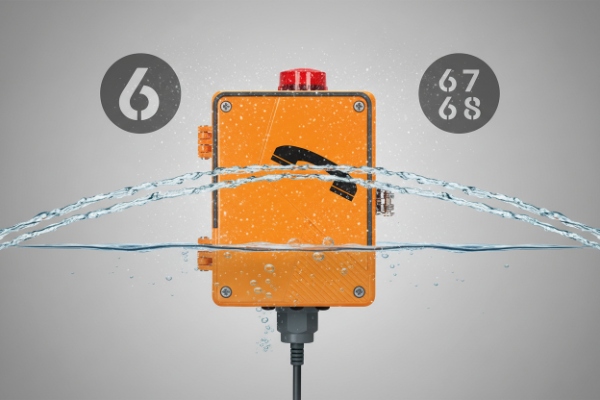
The IP (Ingress Protection) rating of a weatherproof telephone indicates how well it is protected against solid particles like dust and liquids like water. This rating is essential for ensuring that the telephone can withstand the environmental conditions it is exposed to, whether it’s rain, dust, or pressure washing.
A typical weatherproof telephone usually has an IP rating of IP66 or IP67, with some models reaching IP68 depending on design and use.
The IP rating is denoted by two digits, with the first digit representing protection against solid particles and the second digit representing protection against liquids. Let’s dive into what these ratings mean for a weatherproof telephone.
Can It Withstand Heavy Rain or Pressure-Wash Hose-Down Tests?
Yes, weatherproof telephones with IP66 or IP67 ratings are designed to withstand heavy rain and can handle pressure-wash hose-down tests to some extent.
IP66-rated telephones are protected against powerful water jets, making them suitable for exposure to heavy rain or spray from a hose.
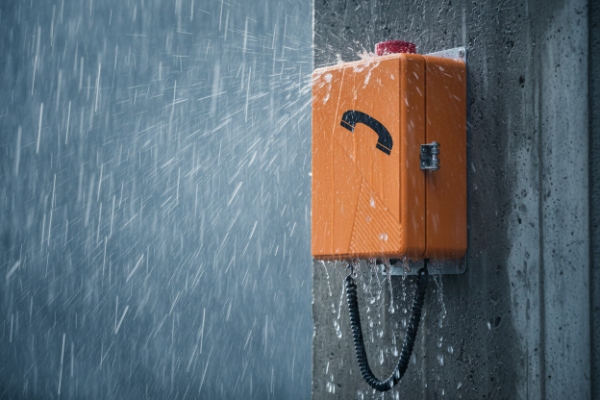
IP66 Rating
-
Dust-Tight (6): The first digit, 6, indicates that the telephone is fully dust-tight. No dust can enter the enclosure, ensuring internal components are well protected.
-
Powerful Water Jets (6): The second digit, also 6, indicates that the telephone can withstand powerful water jets 1 from any direction, making it resistant to heavy rain and spray from a hose.
IP67 Rating
-
Dust-Tight (6): Similar to IP66, the telephone is completely protected against dust.
-
Temporary Immersion (7): IP67 extends protection to temporary immersion in water, typically up to 1 meter for 30 minutes. This is especially useful in situations where the telephone might be exposed to standing water or heavy rainfall accumulating around the unit. (See IP rating chart 2)
Is the IP Rating Certified by a Third-Party Lab Report?
Yes, the IP rating is generally certified by a third-party lab to ensure compliance with international standards.
The IP rating is typically verified through standardized testing by accredited laboratories to ensure the product meets the protection levels specified.
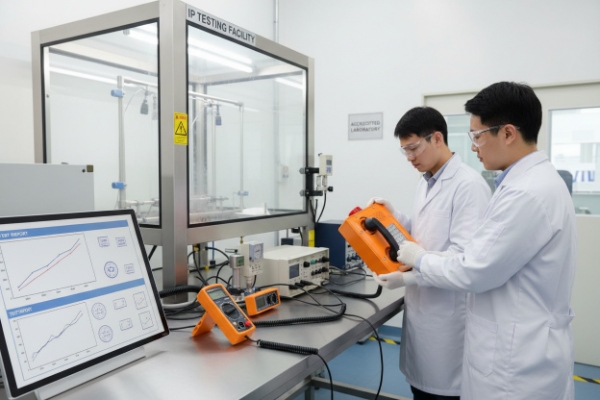
Third-party testing ensures that manufacturers meet the required protection standards and that the telephone’s enclosure will perform as expected under real-world conditions. These tests are essential for guaranteeing the long-term reliability of the product in harsh environments. (Learn more about third-party certification 3)
Does the IP Level Hold with Handset Off-Hook or Door Open?
The IP rating typically holds even when the handset is off-hook or the door is open, as long as these conditions do not compromise the overall enclosure integrity.
The IP rating is designed to be valid for the enclosure as a whole, but certain conditions like open doors or off-hook handsets may allow some water ingress.
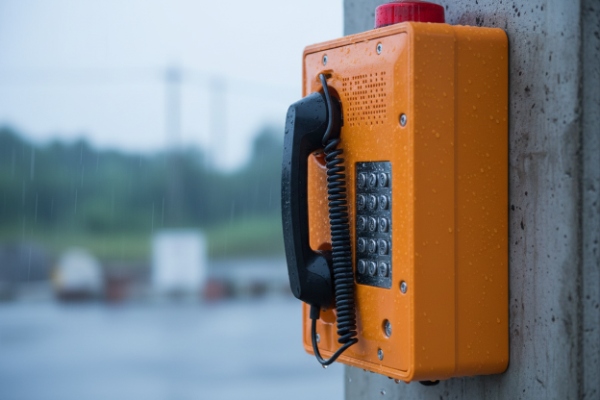
Impact of Handset Off-Hook
When the handset is off-hook, there may be some minor exposure around the sealing area. However, if the telephone is designed with a robust sealing system 4, it should maintain its ingress protection rating even in this state. For IP66 or IP67 rated telephones, the enclosure itself will still resist dust and water penetration, but a completely sealed state is best for optimal protection.
Impact of Open Doors
If the door is open, the ingress protection may be compromised depending on the design. Some weatherproof telephones are designed with seals around the door that can still protect against water jets or splashes even with the door open for short periods. However, continuous exposure to water or dust in this condition could reduce the IP protection.
Do Cable Glands and Vents Maintain the Stated IP Rating?
Yes, cable glands and vents are integral components that play a key role in maintaining the stated IP rating.
Cable glands and vents should be properly sealed and designed to maintain the IP rating, ensuring no water or dust ingress through the cable entries or ventilation holes.
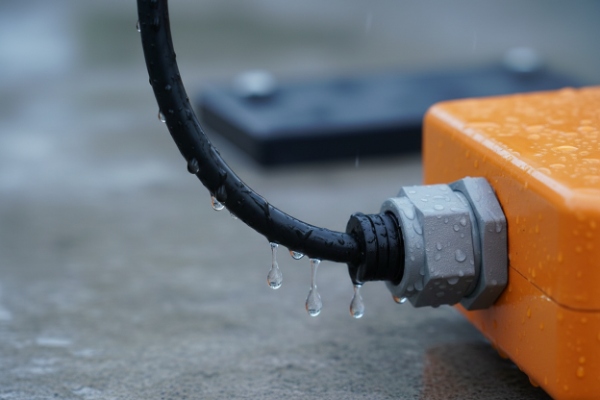
Cable Glands
-
Sealing: Cable glands 5 are designed to provide a tight seal around cables entering the enclosure. They prevent water and dust from entering through these points. For an IP66 or IP67 rated telephone, these glands should maintain their integrity under normal conditions.
-
Inspection: Regular inspection is essential to ensure that cable glands are securely tightened and sealed, especially if the telephone is exposed to vibration, thermal cycling, or aggressive cleaning. (See gland installation guide 6)
Vents
-
Function of Vents: Vents are typically used in enclosures to allow for pressure equalization inside the unit, particularly in environments with temperature fluctuations. They are designed to prevent water or dust ingress while still allowing air to flow. (See protective vents 7)
-
Water Resistance: Vents should be designed with a mesh or membrane to keep water and dust out while still allowing air to circulate. As with cable glands, it’s important to check that vents are intact and sealed correctly during maintenance.
Conclusion
The full IP ingress protection rating of a weatherproof telephone is typically IP66 or IP67, ensuring robust protection against dust and water. These ratings guarantee that the telephone can withstand heavy rain, pressure washing, and even brief immersion in water. Regular inspection of cable glands, vents, and other seals is necessary to maintain the integrity of the IP rating over time. (Refer to IEC 60529 standard 8 for details)
Footnotes
-
Explanation of the IP66 test conditions involving powerful water jets. ↩
-
Comprehensive chart detailing the meaning of each IP rating digit. ↩
-
Overview of third-party product certification and its importance for quality assurance. ↩
-
Parker O-Ring Handbook, a guide to sealing design and materials. ↩
-
Technical guide on selecting the correct cable gland for maintaining IP ratings. ↩
-
Instructions on how to properly install cable glands to ensure a waterproof seal. ↩
-
Explanation of how protective vents work to equalize pressure while blocking contaminants. ↩
-
The official IEC 60529 standard defining degrees of protection provided by enclosures (IP Code). ↩








