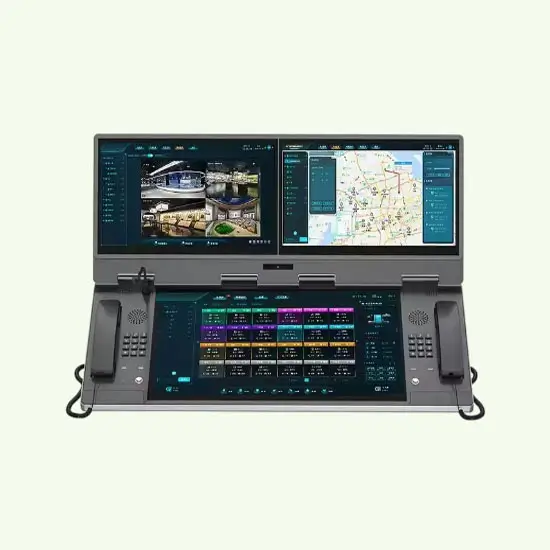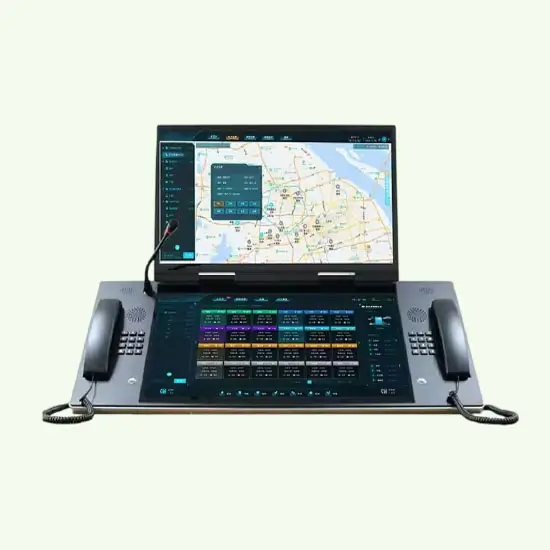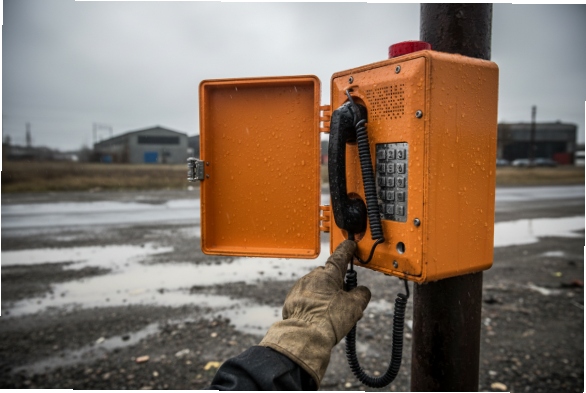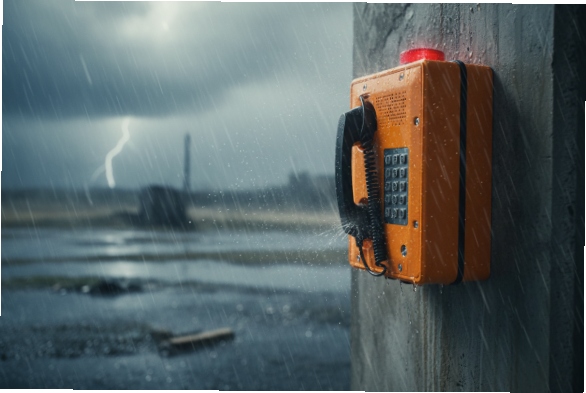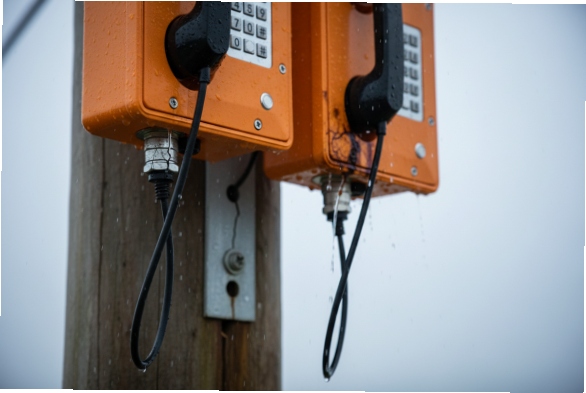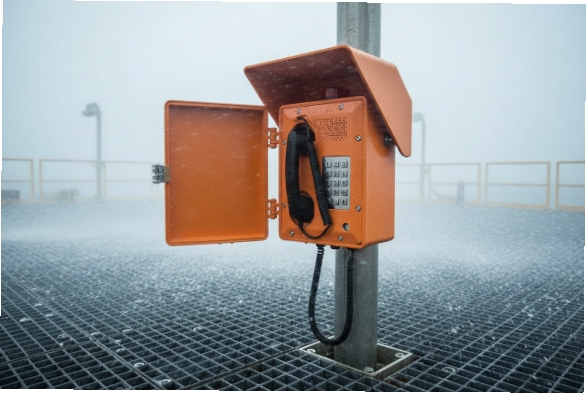
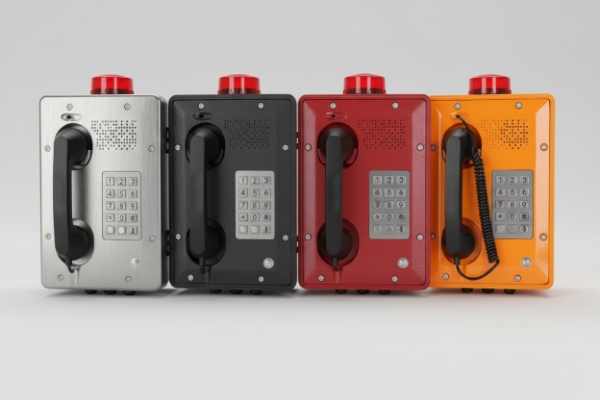
Weatherproof telephone enclosures are built to withstand harsh environmental conditions, including exposure to extreme weather, chemicals, and physical impacts. The materials used for the enclosures and panels are selected for their durability, corrosion resistance, and ability to maintain performance over time.
Weatherproof telephones typically use materials such as aluminum alloy, stainless steel, fiberglass-reinforced polyester (GRP), polycarbonate, and engineered plastics, each offering unique advantages for different environments.
Is a 316L Stainless Steel Housing Available for Marine Sites?
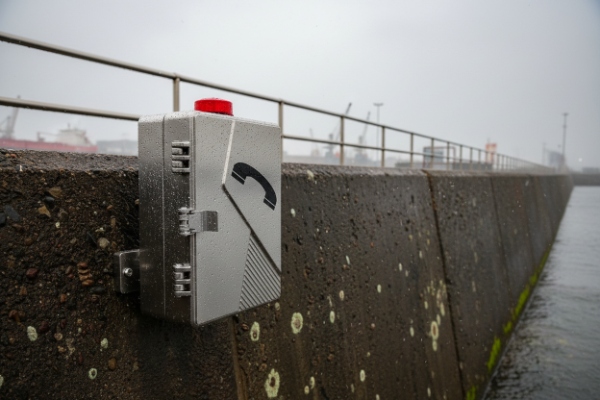
Yes, 316L stainless steel is a popular option for weatherproof telephone housings, especially for marine and highly corrosive environments.
316L stainless steel provides excellent resistance to saltwater corrosion, making it ideal for marine sites or areas with high exposure to salt-fog and humidity.
Benefits of 316L Stainless Steel
-
Corrosion Resistance: 316L is an austenitic stainless steel with added molybdenum, offering superior resistance to chloride corrosion 1, making it perfect for marine environments where saltwater exposure is prevalent.
-
Durability: Stainless steel is highly durable and resistant to impact, which is crucial for outdoor and industrial applications where the telephone may be subject to physical abuse.
-
Weight Consideration: While stainless steel is heavier than aluminum, its exceptional corrosion resistance makes it ideal for long-term outdoor use, particularly in marine environments.
Is a GRP Enclosure Option Provided for Chemical Resistance?
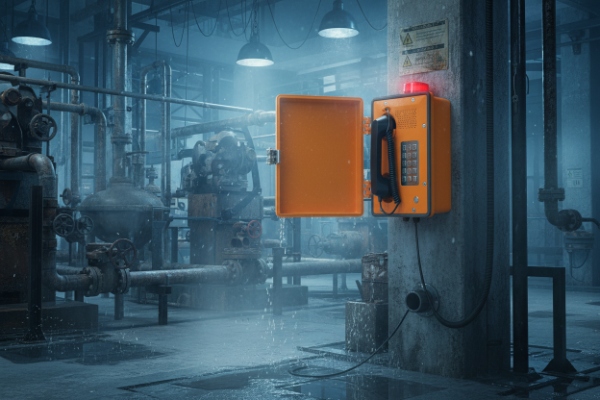
Yes, fiberglass-reinforced polyester (GRP) is an excellent material choice for chemical resistance.
GRP enclosures are resistant to a wide range of chemicals, including acids, alkalis, and solvents, making them ideal for environments where chemical exposure is a concern.
Advantages of GRP Enclosures
-
Chemical Resistance: GRP is non-metallic and resistant to corrosion from a variety of chemicals (see chemical resistance guide 2), making it an ideal choice for industries dealing with harsh chemicals.
-
Low Maintenance: GRP enclosures are virtually maintenance-free, as they do not rust or degrade when exposed to chemical agents or UV radiation 3.
-
Electrical Insulation: GRP provides electrical insulation, adding an extra layer of safety in environments where electrical hazards 4 are a concern.
Is an Aluminum Alloy Powder-Coated Housing Supported?
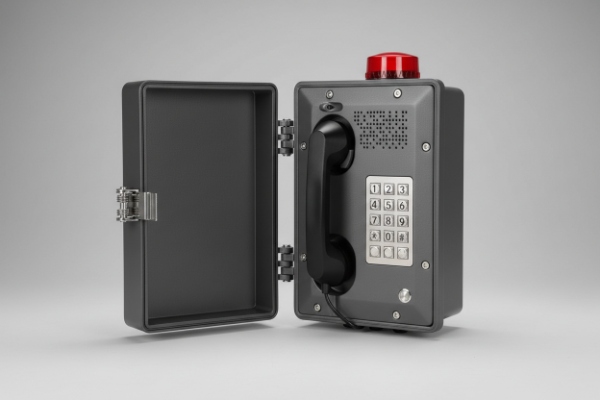
Yes, aluminum alloy is commonly used for weatherproof telephone enclosures, often with a powder-coated finish to enhance durability and corrosion resistance.
Powder-coated aluminum provides a balance between strength, lightweight properties, and resistance to environmental factors, making it suitable for a wide range of applications.
Benefits of Powder-Coated Aluminum
-
Lightweight and Strong: Aluminum alloys offer an excellent strength-to-weight ratio 5, making them ideal for applications where weight is a factor but strength is still needed.
-
Corrosion Resistance: When powder-coated 6, aluminum alloys gain enhanced protection against weathering, corrosion, and UV radiation, making them suitable for both indoor and outdoor use.
-
Cost-Effective: Aluminum is generally more affordable than stainless steel, making it a popular choice for applications where corrosion resistance and weight are important but at a lower cost.
What Panel Thickness and Finish Ensure Durability and Clarity?
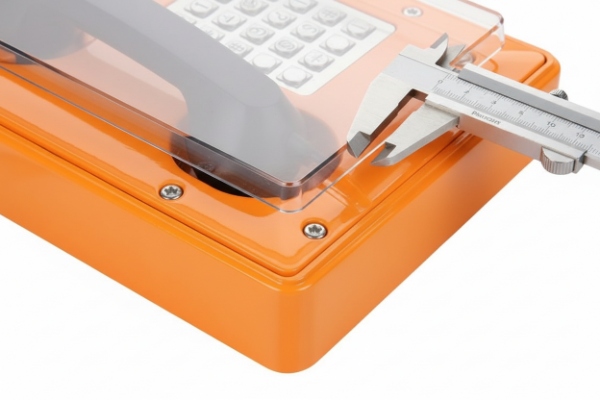
Panel thickness and finish are crucial factors for ensuring the durability and clarity of the telephone’s display and functionality.
Thicker panels, along with the right finish, ensure the panel can withstand impacts, maintain clarity, and remain resistant to weathering over time.
Panel Thickness
-
Thickness for Durability: A thicker front panel, typically made from stainless steel, aluminum, or polycarbonate, ensures better impact resistance. Panels of at least 2-3 mm thickness are common for IK10-rated 7 enclosures, providing durability against vandalism and mechanical shocks.
-
Impact Resistance: Thicker panels help maintain the integrity of the enclosure and provide superior protection against heavy impacts, making the telephone more resilient in high-risk areas.
Finish for Clarity
-
Powder Coating or Anodizing: For metallic enclosures, powder coating (aluminum) or anodizing 8 (aluminum and stainless steel) is used to enhance the material’s weather resistance. These finishes also prevent surface damage from abrasion 9 and corrosion while providing a smooth surface for easy cleaning.
-
UV-Stabilized Finishes: For plastic panels (e.g., polycarbonate or ABS), UV-stabilized finishes 10 are used to prevent discoloration and degradation caused by prolonged sun exposure, ensuring the panel remains clear and readable.
Conclusion
Weatherproof telephone enclosures are made from a variety of materials, each offering specific advantages for different environmental conditions. 316L stainless steel is ideal for marine sites, GRP offers excellent chemical resistance, and powder-coated aluminum alloy provides a strong, lightweight, and corrosion-resistant solution. Proper panel thickness and finishes ensure durability and clarity, keeping the telephone functional and readable in harsh outdoor environments.
Footnotes
-
Explains why 316L stainless steel is the standard for marine environments due to its molybdenum content. ↩
-
A guide to the chemical resistance properties of Glass Reinforced Plastic (GRP). ↩
-
Article discussing how UV radiation affects composite materials and how to mitigate degradation. ↩
-
OSHA overview of electrical hazards and safety standards in industrial workplaces. ↩
-
Details the strength advantages of aluminum compared to other metals. ↩
-
Introduction to powder coating technology and its benefits for durability. ↩
-
Explains the IK rating system for impact protection of electrical enclosures. ↩
-
Overview of the anodizing process and its protective benefits for aluminum. ↩
-
Definition of abrasion and its impact on material surfaces over time. ↩
-
Discusses the use of UV stabilizers in plastics to prevent yellowing and brittleness. ↩