

Weatherproof telephones are designed to operate reliably in harsh outdoor conditions, where temperature extremes can vary greatly. The temperature ranges specified for these devices ensure their functionality and durability, even in the most demanding environments.
The operating temperature range for a weatherproof telephone typically spans from -30°C to +65°C (or up to +75°C for extended versions), while the storage temperature range is usually wider, often from -40°C to +75°C or higher.
Are All Components Validated to Operate at the Stated Extremes?
Yes, all components of a weatherproof telephone, including the electronics, LCDs, handsets, and keypads, are typically validated to operate within the specified temperature ranges.
Manufacturers test all components to ensure they perform effectively at the extremes of the operating temperature range, ensuring reliable performance even in harsh conditions.
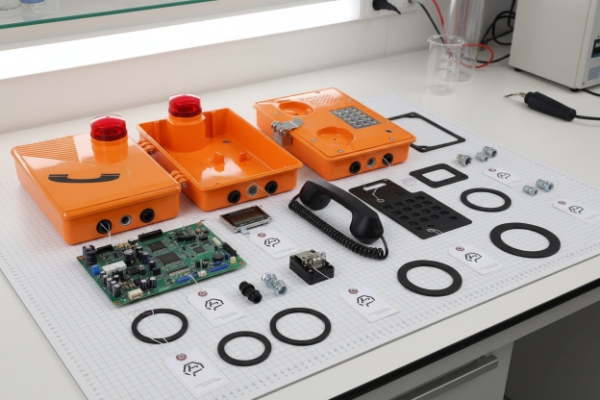
Validation Process
-
Electronics: The internal electronics, such as circuit boards and connectors, are subjected to rigorous testing (like HALT testing 1) to ensure they can function in both high and low temperatures.
-
LCD and Displays: LCDs are typically rated for a narrower temperature range, so manufacturers ensure that the display remains clear and functional within the specified operating temperature limits 2.
-
Handsets and Keypads: These components are also tested for their resilience to extreme temperatures, ensuring they remain operational and responsive.
Has the Unit Passed Thermal Shock per IEC 60068-2-14 Cycles?
Yes, many weatherproof telephones are tested for thermal shock according to the IEC 60068-2-14 standard, which evaluates how well the unit can withstand rapid temperature changes.
Thermal shock testing ensures that the telephone can handle sudden shifts in temperature without causing damage or compromising its performance.
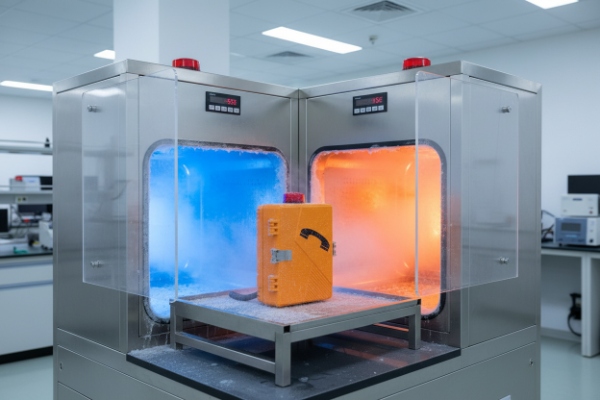
Thermal Shock Testing Details
-
IEC 60068-2-14 tests the device by rapidly changing temperatures, typically between -30°C and +70°C, to simulate the effects of environmental temperature fluctuations. This helps ensure the telephone will continue to function properly when exposed to sudden shifts in temperature (see thermal shock guide 3), such as moving between indoor and outdoor environments or experiencing extreme weather conditions.
-
Cycles: The unit is subjected to multiple cycles of rapid temperature changes to ensure its durability and long-term performance in real-world conditions.
Are Solar-Load and Enclosure Derating Curves Documented?
Yes, solar-load and enclosure derating curves are often documented for weatherproof telephones, particularly for outdoor applications where exposure to direct sunlight can affect the temperature of the device.
These curves help determine how the unit’s temperature may increase due to solar exposure and provide guidance on derating the temperature range to ensure safe operation.
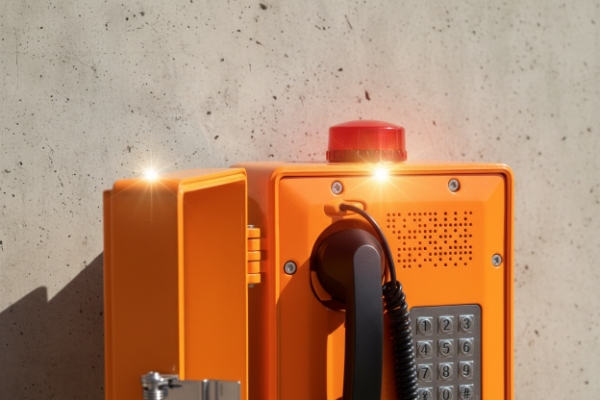
Solar Load Impact
-
Solar Gain: Direct exposure to sunlight can cause the temperature inside the enclosure to rise, potentially pushing the unit beyond its rated operating temperature. Manufacturers often provide derating curves 4 that show the temperature increase based on solar load, helping users understand the limitations of the device under different sunlight conditions.
-
Enclosure Design: Weatherproof enclosures are designed to minimize heat buildup, but in some cases, additional shading or ventilation 5 may be required in areas with extreme sunlight to ensure the temperature stays within safe limits.
Is a Certified Heater/Thermostat Option Available for Cold Starts?
Yes, some weatherproof telephones offer a certified heater/thermostat option to ensure reliable cold starts in environments where temperatures can drop below freezing.
Heaters and thermostats are available for units that need to operate in extremely cold temperatures, ensuring that the phone remains functional even during cold starts.
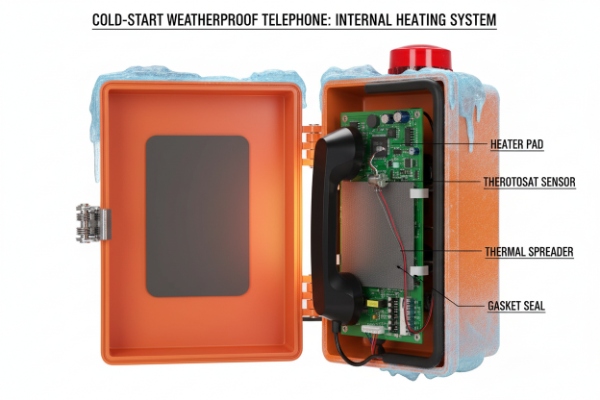
Heater and Thermostat Features
-
Cold Start Protection: The heater option is designed to warm the internal components of the telephone before operation, ensuring smooth functionality in temperatures as low as -40°C. (See cold start design 6)
-
Thermostat Control: A thermostat is used to regulate the temperature inside the enclosure, maintaining it within an optimal range for operation and preventing damage from extreme cold 7.
Conclusion
Weatherproof telephones are built to operate reliably in extreme temperature ranges, typically from -30°C to +65°C for standard models, and up to -40°C to +70°C or +75°C for extended versions. Manufacturers ensure that all components are validated for these extremes, and units undergo thermal shock testing (refer to environmental testing standards 8) to ensure durability. For environments with high solar exposure, derating curves are documented, and certified heaters/thermostats are available for cold-start protection.
Footnotes
-
Explanation of Highly Accelerated Life Testing (HALT) to identify product weaknesses. ↩
-
Discusses the operating temperature limitations of LCD technology. ↩
-
Overview of thermal shock testing procedures and their importance for product reliability. ↩
-
Technical guide on reading and applying derating curves for power supplies and electronics. ↩
-
Tips for managing heat in outdoor electronics enclosures. ↩
-
Article on designing electronics to function reliably in extreme cold environments. ↩
-
Data on freezing points and low-temperature effects on electronic components. ↩
-
Overview of environmental testing services, including temperature and humidity cycling. ↩








