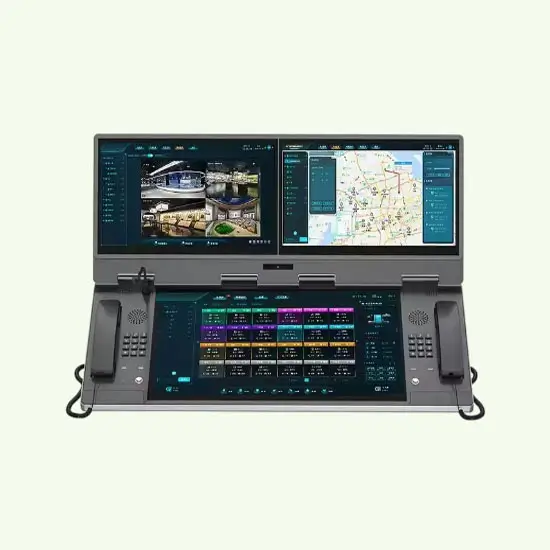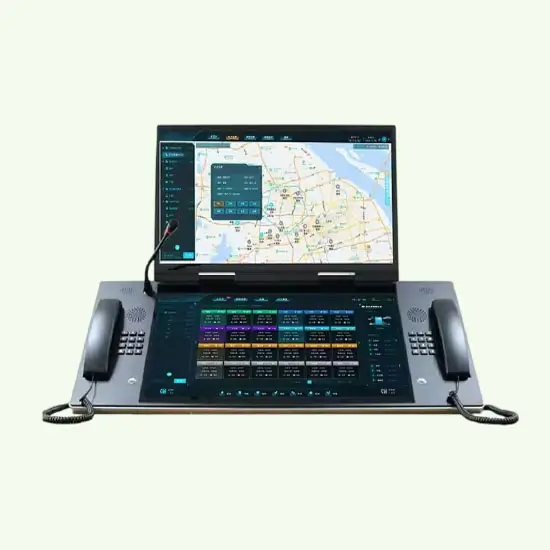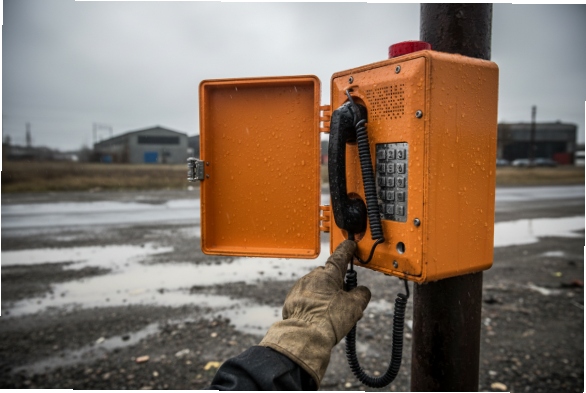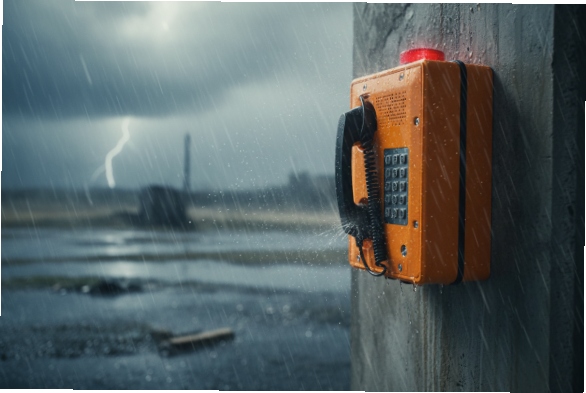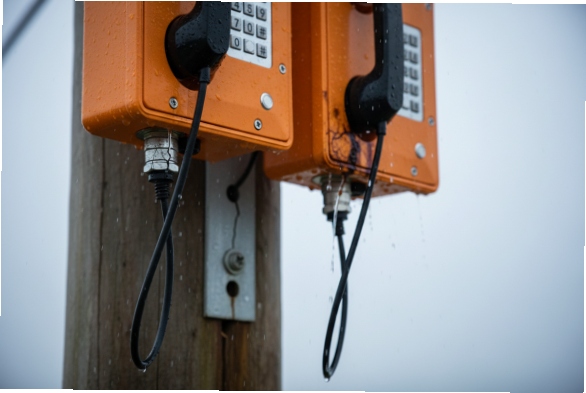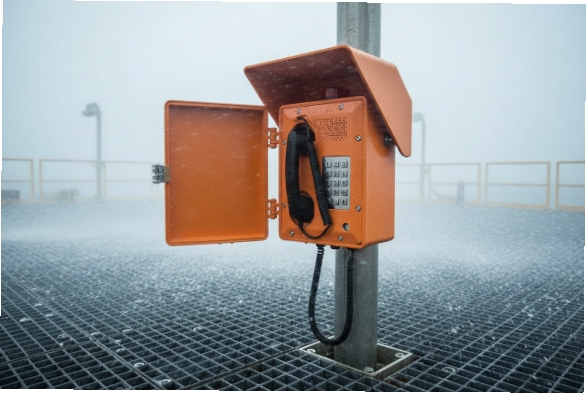
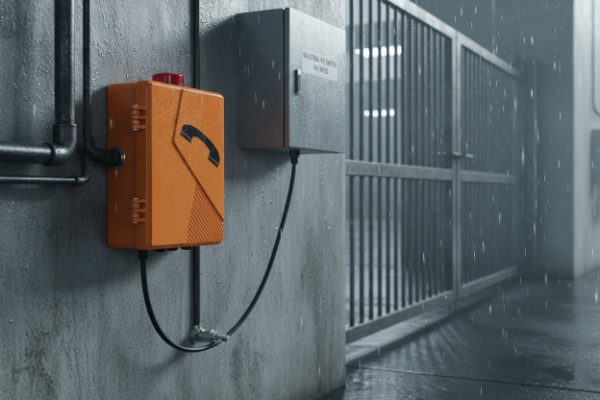
In an age where reliability and connectivity are critical, many industries are opting for weatherproof telephones. But can these rugged devices also support VoIP systems?
Yes, many weatherproof telephones are designed with VoIP functionality, offering businesses the advantage of modern IP communication while maintaining durability in harsh environments.
When it comes to weatherproof telephones, not all are created equal. While some models are analog, newer versions come with VoIP (Voice over Internet Protocol) 1 support, allowing businesses to integrate them into their IP-based communication networks. Let’s dive into the key aspects of weatherproof telephones and how they work within VoIP systems.
Do Weatherproof Telephones Implement SIP 2.0 with PBX Interoperability?
One of the primary concerns when considering a weatherproof telephone for VoIP systems is whether it supports SIP (Session Initiation Protocol) 2.0, a standard that ensures smooth integration with PBX systems.
Many weatherproof VoIP phones are equipped with SIP 2.0, ensuring seamless compatibility with most IP PBX systems and hosted VoIP services.
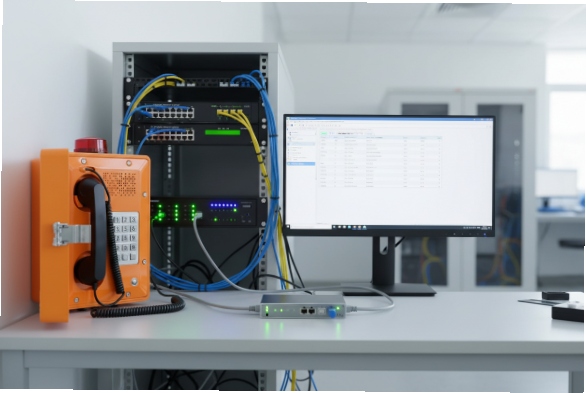
The key feature of these phones is their ability to register to an IP PBX 2 or hosted VoIP provider using SIP 2.0, ensuring that businesses can communicate effectively. SIP allows for both voice and video calls, making it a preferred protocol for most modern communication systems. Moreover, these phones support RTP (Real-Time Protocol) for audio, using standard codecs like G.711 and G.729, providing good call quality over IP networks.
Are PoE, Dual LAN, VLAN, and QoS Available for Enterprise Networks?
For enterprises, the integration of weatherproof telephones into an existing network infrastructure is crucial. Features such as Power over Ethernet (PoE), dual LAN support, VLAN tagging, and Quality of Service (QoS) can significantly enhance network performance and reduce installation complexity.
Yes, many weatherproof telephones come equipped with PoE support, dual LAN ports, and VLAN and QoS capabilities, which are vital for enterprise environments.
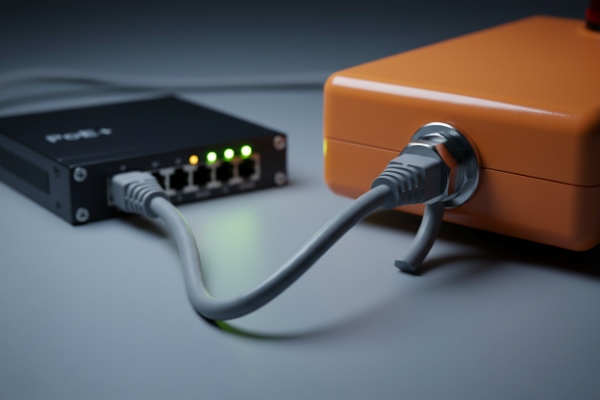
PoE 3 simplifies installation by enabling the phone to receive both power and data from a single Ethernet cable. Dual LAN ports allow for network redundancy or VLAN configurations, making them more adaptable to complex network setups. VLAN 4 support ensures traffic prioritization, which is crucial for businesses that require consistent voice quality, especially in environments with high data usage (via QoS 5).
What Auto-Provisioning Methods Are Supported?
Auto-provisioning is an essential feature for businesses looking to deploy weatherproof telephones across multiple locations. It enables the devices to be automatically configured and ready to use without manual intervention, making it easier to scale.
Weatherproof phones typically support auto-provisioning via HTTPS, DHCP options, and sometimes TR-069, streamlining setup and deployment.
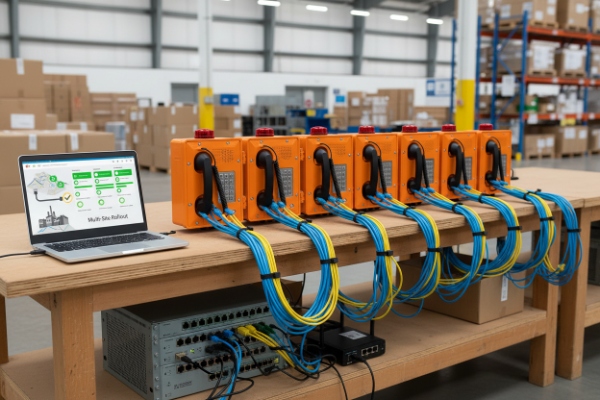
By supporting methods like DHCP (Dynamic Host Configuration Protocol) 6 and HTTPS, weatherproof telephones can automatically obtain necessary configuration information when connected to the network. TR-069 7, a remote management protocol, is also supported by some models, allowing network administrators to configure and maintain the devices remotely.
Is SIP Redundancy Provided via DNS SRV, Failover Proxies, and Keep-Alive Options?
Redundancy and reliability are critical for mission-critical applications, especially for weatherproof phones used in industrial or emergency settings. SIP redundancy ensures that the system remains operational even in the event of network issues or server failure.
Yes, many weatherproof VoIP phones include SIP redundancy features such as DNS SRV, failover proxies, and keep-alive options.
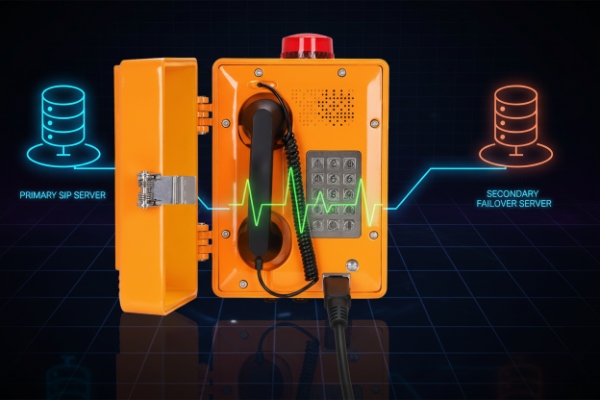
DNS SRV 8 allows the phone to query multiple servers for the best connection, while failover proxies direct traffic to secondary servers if the primary one goes down. Keep-alive options (like SIP OPTIONS 9) ensure that the phone remains connected to the network, even in challenging conditions, providing continuous communication availability (see SIP redundancy guide 10).
Conclusion
Weatherproof telephones designed for VoIP communication offer businesses a robust solution for staying connected, even in harsh environments. With SIP support, PoE, network features, and redundancy options, they ensure reliable communication for industries that require durability and performance in their telephony systems.
Footnotes
-
FCC guide explaining Voice over Internet Protocol (VoIP) technology. ↩
-
Overview of IP PBX systems and their role in business communication. ↩
-
Explanation of Power over Ethernet (PoE) and its benefits for device installation. ↩
-
Definition and benefits of Virtual LANs (VLANs) in network segmentation. ↩
-
Explains Quality of Service (QoS) and how it prioritizes voice traffic. ↩
-
Definition of DHCP and how it automates IP address assignment. ↩
-
Detailed explanation of the TR-069 protocol for remote device management. ↩
-
Guide to DNS SRV records and their use in locating services like SIP. ↩
-
How SIP OPTIONS messages work to maintain connection status (keep-alive). ↩
-
Discussion on implementing redundancy in SIP networks for high availability. ↩