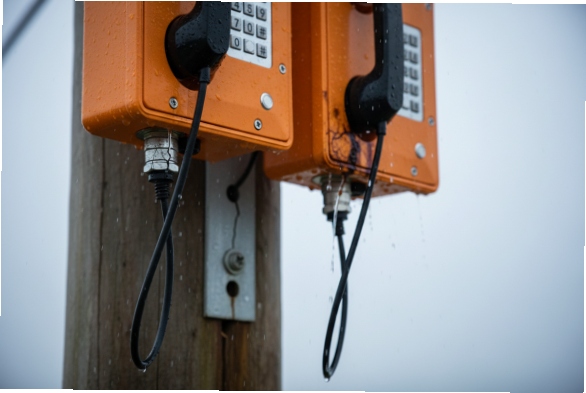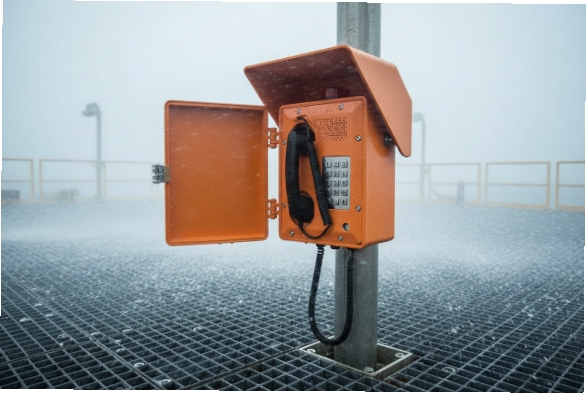
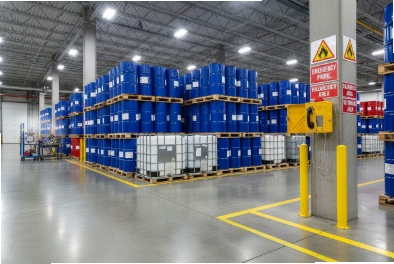
A fuel warehouse looks clean until a carton leaks. Vapors can build in aisles, sprinklers can soak equipment, and forklifts can hit anything that sticks out. If the emergency phone is not rated for the classified area, inspectors can force rework at the worst time.
Yes. Explosion-proof SIP telephones are suitable for fuel warehouses when the rating matches the warehouse’s hazardous zoning for packaged flammables, the enclosure survives sprinkler water and solvent vapor, and the installation follows ventilation, wiring, and temperature-class rules for storage aisles.
Warehouse-grade Ex phones: safer aisles, faster alarms, fewer failures
Packaged flammables create “vapor pockets,” not constant clouds
Fuel warehouses typically store packaged flammables 1:
-
drums, IBCs, cans, and cartons
-
sealed containers with occasional leakage
-
transfer points at receiving and staging
-
spill response stations and bunded areas
This often means the area is not Zone 1 everywhere. It is usually:
-
Zone 2 or Class I Div 2 in defined areas
-
stricter zones near dispensing/decanting points, if they exist
-
safe areas in offices and non-flammable storage
The classification is decided by the facility risk study, ventilation design, and local code.
Sprinklers and cleaning change the durability requirement
Many warehouse fires are addressed by:
-
foam systems in higher-risk areas
-
washdown during cleanup
So the phone must survive:
-
direct water spray and high humidity
-
potential chemical exposure from foam agents
-
dust and impacts from daily operations
The phone must support fast response workflows
A warehouse phone is useful when it can:
-
auto-dial SOS or a control room
-
trigger a beacon/strobe to guide responders
-
tie into PAGA for evacuation instructions
-
report health status so maintenance knows failures early
| Warehouse risk | What to prioritize | Why it matters |
|—|—|—|
| Vapor buildup in aisles | correct Zone/Class-Div rating | compliance and safety |
| Sprinkler exposure | IP66/67 + sealing discipline | keeps phones working during incidents |
| Static risk | bonding + antistatic design where needed | reduces ESD and nuisance faults |
| Forklifts and impacts | IK strength + safe mounting | reduces breakage and downtime |
| Alarm workflow | PBX + PAGA + beacon I/O | faster evacuation and escalation |
Now, let’s answer the core compliance question: what ratings match packaged flammables storage?
Which Zone 1/2 or Class I Div 2 ratings match packaged flammables storage?
Warehouse hazardous zoning 3 depends on ventilation, container type, and whether flammable liquids are dispensed or only stored. Many warehouses are designed so aisles remain low-risk with mechanical ventilation, while staging and spill-prone points get stricter attention.
Many packaged flammables warehouses specify Zone 2 (EPL Gc) or NEC Class I Div 2 for defined storage and staging areas, especially where vapors could be present only under abnormal conditions. Zone 1 or Class I Div 1 is more likely at dispensing, decanting, or frequent spill points, not in general pallet aisles—unless the hazard study defines otherwise.

Practical guidance by warehouse activity area
| Warehouse area | Vapor likelihood | Typical starting rating choice |
|—|—|—|
| Pallet storage aisles (sealed packaging) | low, abnormal only | Zone 2 / Class I Div 2 if classified |
| Receiving and staging | higher spill risk | Zone 2, sometimes Zone 1 near transfer points |
| Decanting/dispensing room | frequent release possible | Zone 1 / Div 1 by design |
| Battery charging room | hydrogen risk possible | separate classification, may need IIC capability |
Why Div 2 is common in storage aisles
Class I Div 2 is often used because:
-
containers are closed in normal operation
-
releases are not expected under normal conditions
-
ventilation is designed to prevent accumulation
Still, the right answer is always the facility hazard classification plan. The phone spec should reference that document so inspection is simple.
Gas group and T-class still matter
Even in Div 2, the nameplate must match:
-
gas group requirement for stored products (site-defined)
-
temperature class 4 and ambient range (Ta)
-
protection concept (Ex d / Ex e / Ex n / etc. depending on certification scheme)
Once the rating is correct, durability decides whether the phone stays operational during sprinkler activation and cleanup.
Will IP66/67, antistatic housings withstand solvent vapors and sprinklers?
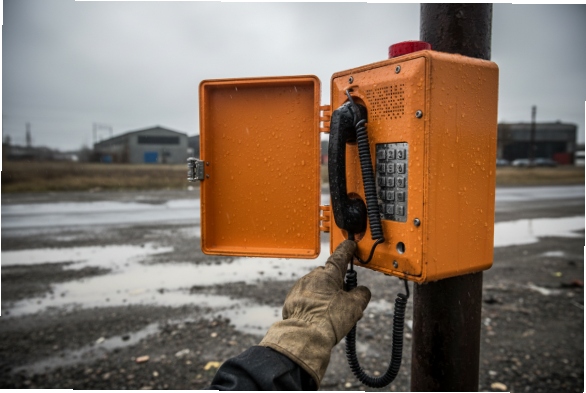
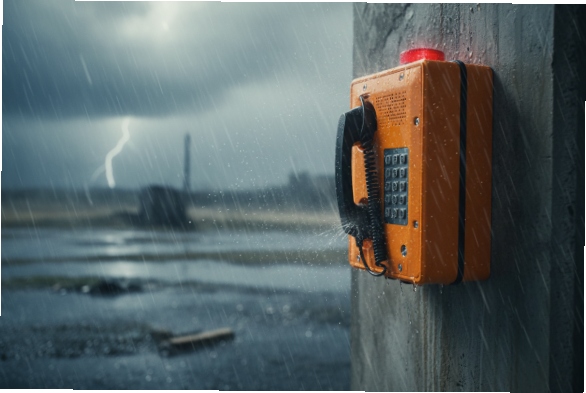
Warehouses are wet during incidents. Even routine testing can spray devices. Many “rugged” products fail because water enters through glands or because seals swell when exposed to solvents.
Yes. IP66/IP67 enclosures can withstand sprinkler water when the full installed assembly uses correct glands, plugs, and gasket compression. Antistatic housings and proper bonding help reduce static issues, while seal materials must resist solvent vapors and cleaning chemicals.
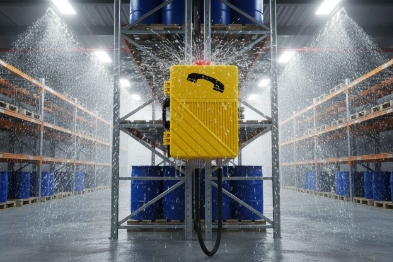
IP66 vs IP67 for sprinkler environments
-
IP66 is strong against water jets and spray.
-
IP67 5 adds protection against temporary immersion and long exposure to pooled water.
In sprinkler incidents, devices can face continuous water flow. IP67 is a strong target in:
-
low mounting points
-
bunded aisles where water can stand
-
areas near floor drains that back up
Antistatic: what matters in real warehouses
“Antistatic housing” helps, but the bigger system control is:
-
equipotential bonding
-
correct grounding of metal parts
Static issues often show up as:
-
nuisance resets
-
damaged ports after ESD events
-
false triggers on I/O lines
So buyers should ask for:
-
a clear earth stud and bonding instructions
-
continuity across hinges and brackets where applicable
-
ESD protection on interfaces (especially Ethernet and I/O)
Material compatibility: seals, keypad, and labels
Solvent vapors and foam agents can degrade:
-
gaskets
-
keypad elastomers
-
label films and windows
A warehouse-grade phone should use materials chosen for chemical tolerance and UV stability, especially under skylights or loading doors.
| Exposure | Weak point | Better requirement |
|—|—|—|
| Sprinkler water | glands and seams | IP66/67 with specified gland set |
| Solvent vapor | gasket swelling | chemical-resistant seals |
| Cleaning foam | label and keypad aging | stable films and keymat |
| Static | interface damage | bonding + ESD protection |
Once the device survives the environment, it must connect into warehouse emergency workflows: PBX calling, paging, beacons, and leak alarms.
Can devices connect to IP PBX, PAGA, beacons, and gas/leak alarms?
A warehouse safety phone should do more than ring. It should trigger attention and create a clear audit trail.
Yes. Ex SIP telephones can connect to an IP PBX for hotline and group calling, integrate with PAGA via paging groups or multicast, trigger beacons through relay outputs, and interface with gas/leak alarms through dry-contact inputs or PLC gateways.
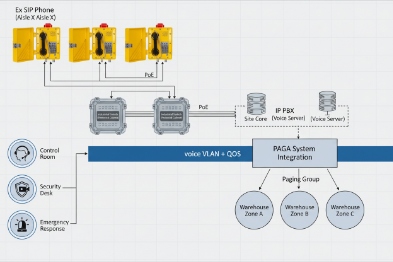
IP PBX: auto-dial and escalation
IP PBX 7 integration supports:
-
SOS hotline to a control room or security desk
-
escalation rules if no answer
-
call logs aligned with NTP for incident review
-
remote monitoring of device registration health
For multi-warehouse operators, template provisioning reduces commissioning time.
PAGA: evacuation messages need priority
PAGA 8 is common in larger logistics sites. For paging stability:
-
keep voice and paging on the right VLAN
-
apply QoS to voice and paging traffic
-
control multicast with IGMP snooping where used
A reliable alternative is a relay trigger from the phone to a paging controller input for predefined tones.
Gas/leak alarms: map events cleanly
The safest pattern is:
-
gas detector or leak sensor triggers alarm in its own system
-
phone receives an input trigger to auto-call the right group
-
phone relay can trigger a local strobe or indicate “call point active”
| System | Best interface | What to test |
|—|—|—|
| PBX | SIP hotline + failover | no-answer escalation |
| PAGA | multicast or controller trigger | paging priority under load |
| Beacons | relay to controller input | latching and reset |
| Gas/leak alarm | input trigger via PLC/alarm panel | correct call routing and logs |
Now, compliant installation in storage aisles depends on ventilation, temperature class, and wiring methods that protect both safety and reliability.
What ventilation, T-class, and wiring methods ensure compliant storage aisles?
Warehouses are regulated environments. Compliance depends on keeping vapor concentrations low, preventing ignition sources, and ensuring wiring methods match the classification.
Compliance in storage aisles depends on ventilation designed to prevent vapor accumulation, selecting a T-class that stays safe for the stored flammable vapors at worst-case ambient temperatures, and using approved wiring methods with correct sealing, segregation, and bonding for classified areas.
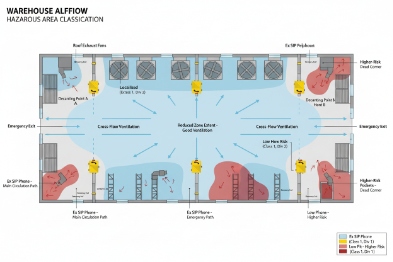
Ventilation: the first control layer
Ventilation determines whether the warehouse is classified and how large the classified zones are. In practice:
-
well-designed mechanical ventilation can reduce the extent of classified zones
-
poor airflow near corners and low points can increase risk
From a telephone project view, the key is to mount phones where airflow is reliable and avoid dead zones near floor-level vapor accumulation when possible.
T-class: pick margin, not minimum
T-class limits the maximum surface temperature. In warehouses:
-
ambient can rise under roofs and skylights
-
emergency conditions can increase humidity and affect cooling
-
nearby lighting and equipment can add heat
A practical method:
-
follow the area equipment schedule for the required T-class
-
verify device nameplate T-class and Ta range
-
keep distance from heat sources and high-intensity lighting
Wiring methods: keep it code-clean and maintainable
For Zone installations:
-
use certified glands and plugs as specified
-
use barriers where required by the certificate and cable type
For Class I Div 2 10 installations:
-
use approved wiring methods for the division
-
use sealing fittings where required to prevent vapor migration in conduit
-
separate communication from power and VFD cables
-
bond enclosures and trays to the equipotential system
A short “aisle install” checklist
| Item | What to do | Why it matters |
|—|—|—|
| Placement | mount at aisle ends or safe landings | reduces forklift impacts |
| Height | keep accessible but protected | improves usability and durability |
| Ventilation check | avoid stagnant pockets | reduces vapor risk |
| T-class/Ta | verify against schedule | ensures surface temperature compliance |
| Wiring method | follow Zone/Class rules | passes inspection |
| Bonding | short equipotential bond | reduces static and surge issues |
These steps keep the phone compliant and reliable in a warehouse environment where staff expects “it just works” with minimal maintenance.
Conclusion
Explosion-proof SIP telephones fit fuel warehouses when packaged-flammables zoning drives Zone 2/Div 2 selection, IP66/67 and antistatic/bonded designs survive sprinklers and vapors, integrations support PBX/PAGA/alarm workflows, and ventilation, T-class, and wiring methods follow storage-aisle codes.
Footnotes
-
Regulations for safe storage and handling of flammable liquids. ↩
-
Standard for installation of sprinkler systems to protect facilities. ↩
-
Guidelines for defining risk zones in explosive atmospheres. ↩
-
Categorization of equipment based on maximum surface temperature. ↩
-
Standard classifying protection against intrusion, dust, and water. ↩
-
Sudden flow of electricity between charged objects causing damage. ↩
-
Internet Protocol Private Branch Exchange for enterprise telephony. ↩
-
Public address and general alarm system for industrial safety. ↩
-
Industrial computer used for manufacturing and process control. ↩
-
Explanation of electrical safety requirements for volatile environments. ↩