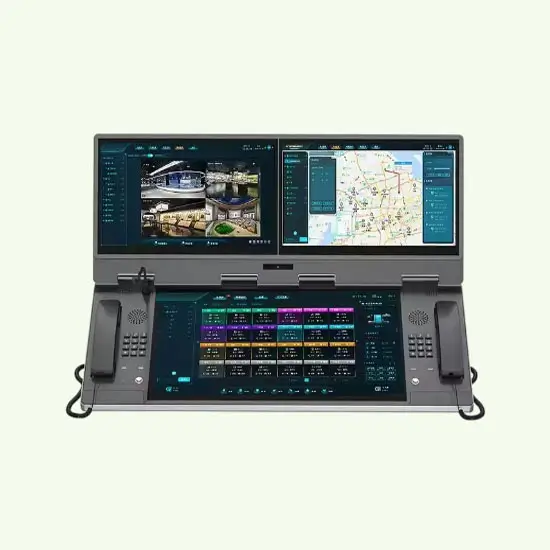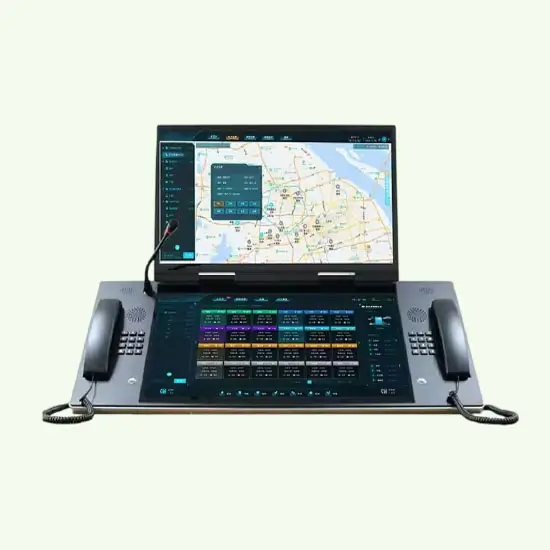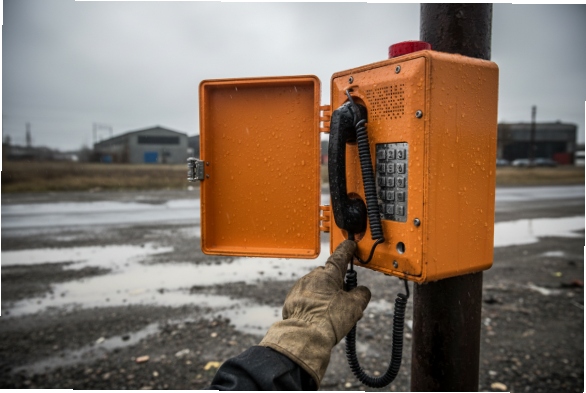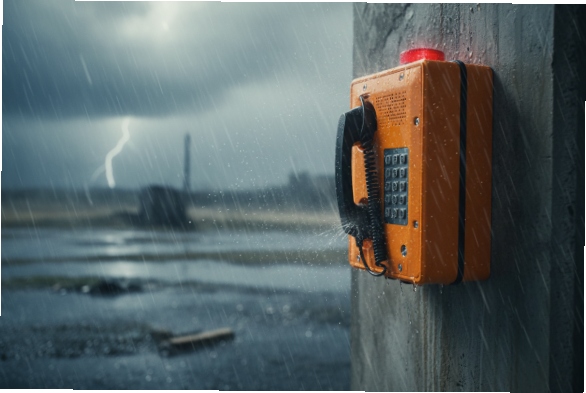
Fuel vapors, paint solvents, and constant impacts make a normal phone fail at the worst time. If crews cannot call fast, a small incident can grow.
Yes. Explosion-proof SIP telephones fit inland shipyards and dry docks when the unit matches the site’s Zone/Div map, uses rugged 316L + IK10 construction for abuse and washdown, and is installed with protected clearances and armored cabling for mobile plant traffic.
How to choose a shipyard emergency SIP station that survives real yard life?
Define “shipyard suitability” in four layers
A shipyard is not one hazard. It is four problems stacked together:
1) Hazardous atmosphere near fuels, solvent paints, and degreasers.
2) Mechanical abuse from forklifts, cranes, chains, and tools.
3) Hot work such as welding and grinding, plus spatter and slag.
4) Water and cleaning from washdown, rain, and sometimes freeze-thaw.
An explosion-proof label only answers the first layer. The other three layers decide whether the station lasts more than one season.
Use a placement-first mindset to cut cost and downtime
The cheapest “upgrade” is often moving the phone a few meters. If the station is placed outside the tightest classified boundary, it can reduce Ex cost and reduce maintenance. The phone still needs to be reachable during alarms, so the path to it must be obvious.
When the station must be inside a classified boundary, the next best choice is to reduce how much abuse it takes:
-
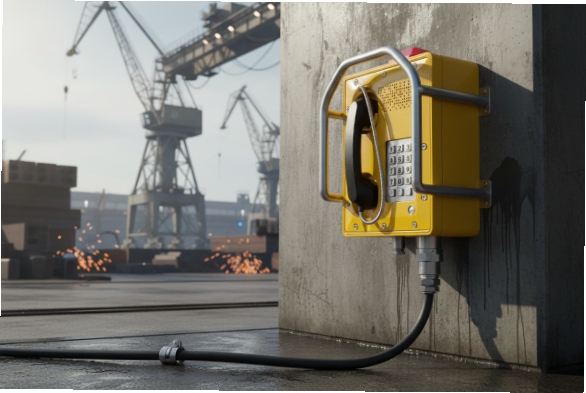
mount on a protected column, not on a handrail
-
add a guard hoop, not a bulky cage that traps grime
-
keep cable entry downward and away from direct spray
A simple shipyard spec sheet that prevents rework
| Item | What to target | Why it matters |
|---|---|---|
| Hazard rating | Zone 1/2 or Class I Div 2 as per drawing | avoids failed inspection |
| Ingress | IP66 1/IP67 (or NEMA 4X style) | washdown and storms |
| Durability | IK10 2 housing + guarded handset | survives impacts |
| Materials | 316L + stainless fasteners | corrosion resistance and serviceability |
| Integration | SIP 3 to PBX + paging + alarm I/O | fits yard response workflow |
If these five lines are correct, the rest becomes detail work. Next is the core rating question, because fuel and paint zones are where inspectors focus first.
Which Zone 1/2 or Class I Div 2 ratings apply to fuel and paint areas?
Fuel and paint hazards are often mixed in shipyards. That creates confusion and “overbuy” on some projects and “audit failures” on others.
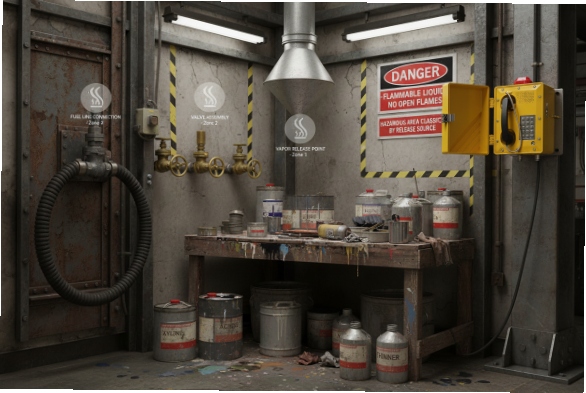
Fuel handling and paint solvent areas often drive Zone 1 close to release points and Zone 2 in surrounding ventilated spaces. In NEC terms, many shipyard outdoor fuel zones are treated as Class I Div 2, while tighter Div 1 pockets can exist at active transfer points or enclosed spaces, based on the area-classification study.
Start from the release points, not the room label
In shipyards, the same “paint shop” can contain safe corridors and hazardous corners. The classification is driven by:
-
open mixing and decanting points
-
spray or coating application zones
-
solvent storage and dispensing points
-
fuel transfer hoses, vents, and valves
-
enclosed pits, trenches, and voids with poor ventilation
Outdoor spaces often reduce hazard extent, but wind can also push vapors into corners and under decks. Indoor spaces can be safer when ventilation is strong, but also more hazardous when airflow is weak.
Typical practical interpretation for phones
For communication stations, the clean rule is:
-
Inside a classified boundary → use equipment certified for that boundary.
-
Right at boundary edges → do not guess; move the station or upgrade it.
-
Inside enclosed/confined spaces → treat as a separate case with tighter controls.
It also helps to standardize. Many owners choose one rating for “fuel/paint yard phones” so spares and training stay simple.
Match gas group and temperature limits to real solvents
Shipyard fuels and paint solvents vary. Some are “easy” gases, some are more demanding. The correct gas group must match the SDS 4 list and the classification report. Temperature limits must also fit the atmosphere and the expected dust/overspray layer behavior.
| Area | Common hazard source | Typical rating direction (confirm by study) | Better placement move |
|---|---|---|---|
| Fuel transfer manifold | hose connections, vents | Zone 1 close-in / Zone 2 outside, or Div 1/Div 2 split | mount outside the tight bubble if possible |
| Outdoor fuel storage perimeter | abnormal releases | often Zone 2 / Class I Div 2 | keep station on access route |
| Paint mixing/decanting | open containers, spills | often Zone 2, tighter near open points | mount at exit side, not inside mixing bay |
| Spray/coating area | solvent mist and vapor | can be Zone 1 near spray, Zone 2 outside | place on safe side of door or wall |
When the rating line is correct, the next fight is survival. Shipyards are rough. Phones get hit, sprayed, and covered in weld dust.
Do 316L, IK10 housings withstand impact, weld spatter, and washdown?
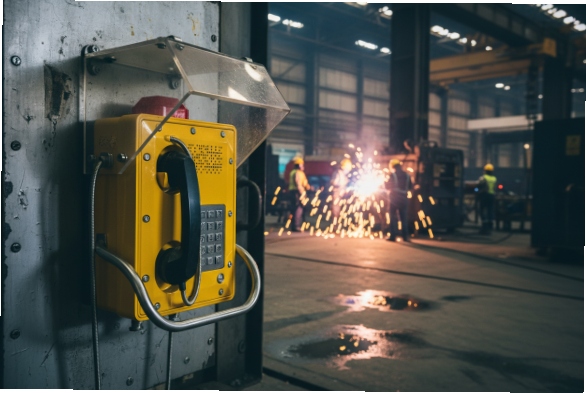
A shipyard phone fails when it cannot be used with gloves, or when the cover will not open due to seized screws, or when spatter destroys the keypad.
Yes. 316L stainless and IK10 housings can withstand shipyard impacts and washdown well, but weld spatter and grinding dust require extra protection like guarded mounts, smooth easy-clean faces, and heat/spatter shields near hot work lanes.
316L is a good base, but the small parts decide life
The housing can be 316L 5, yet the station still fails if:
-
the glands are plated and corrode
-
the bracket is mild steel and rust expands under paint
-
the hinge pin seizes
-
the fasteners gall and strip during service
A strong shipyard build keeps materials consistent:
-
stainless housing + stainless bracket + stainless glands
-
minimal dissimilar metal joints
-
anti-galling practice on stainless threads where allowed
IK10 helps, but only if the mount is not a tuning fork
Impact resistance is useful, but impacts in shipyards often come with vibration. If the station is mounted on a flexible rail, it will shake loose fast. A stiff post mount or a short wall bracket works better.
Weld spatter and grinding: protect the vulnerable surfaces
Spatter and sparks usually damage:
-
keypad membranes
-
speaker/mic openings
-
handset cords
-
printed labels
A practical protection plan includes:
-
a small spatter shield or hood
-
a guard hoop that blocks direct tool strikes
-
sealed acoustic membranes behind a protected grill
-
laser-marked labels or metal plates
Washdown: keep the sealing chain complete
IP66/IP67 can handle aggressive spray, but only if the entry chain is right:
-
correct gland insert for cable diameter
-
sealed unused entries with certified plugs
-
downward-facing entries and drip loops
| Threat | Typical damage | Better product choice |
|---|---|---|
| Forklift/tool impact | cracked cradle, broken keypad | IK10 + guard hoop + protected mounting location |
| Weld spatter | melted membrane, blocked ports | spatter shield + heat-tolerant face components |
| Grinding dust | clogged mic/speaker, sticky keys | sealed keypad + protected acoustic membrane |
| Washdown jets | water tracks in through entry | IP66/IP67 glands + drip loops + torque discipline |
When rugged construction is correct, the phone becomes a stable part of safety infrastructure. Next is integration, because shipyards rely on paging and coordinated response, not only one-to-one calls.
Can phones connect to IP PBX, PAGA, beacons, and yard paging?
A shipyard emergency call is usually a workflow. People need paging, beacons, and fast escalation to a control room or safety office.
Yes. SIP stations can register to an IP PBX, trigger and receive PAGA paging, and interface with beacons through PLC or alarm modules. Yard paging works best when emergency messages have priority and calls display clear location names.
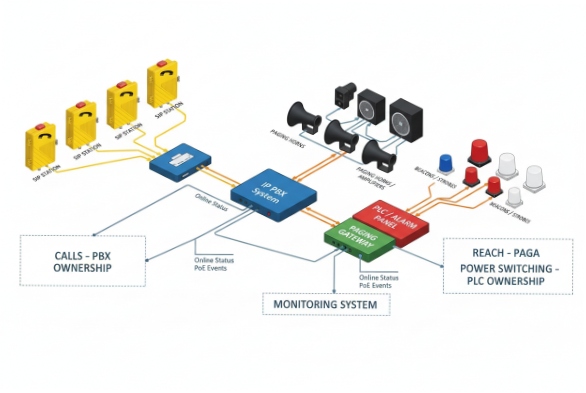
PBX integration: keep calling simple in PPE
In a dry dock, operators wear gloves and hearing protection. Complex dialing is slow. The best setup is:
-
a single emergency button that auto-dials a staffed group
-
ring groups with escalation rules
-
clear station naming mapped to the yard layout
-
call logs that support incident review
PAGA and yard paging: the real “attention layer”
Dry docks are loud and open. Horns and speakers do most of the work. A stable paging design uses:
-
SIP paging to a paging gateway feeding amplifiers and horns, or
-
multicast paging to IP speakers/horns in zones
Priority rules matter:
-
emergency pages override routine announcements
-
emergency calls are not blocked by paging audio on the station
-
paging sources are restricted to trusted systems
Beacons: let control systems own power and interlocks
Beacons and strobes should be driven by PLC 6/alarm outputs. The SIP station can:
-
trigger a PLC input (dry contact)
-
receive an alarm input to light an indicator
-
initiate auto-call or auto-page rules from dispatch
This keeps safety behavior deterministic and easy to audit.
Yard paging coverage: plan like a radio system
Paging must be audible on the deck, not only in the office. A quick coverage walk with real production noise reveals weak spots. Fixes are often simple: add one horn, rotate one speaker, or split zones.
| Integration target | Best owner system | What to test in commissioning |
|---|---|---|
| Voice calls | IP PBX/dispatch | hotline reaches the right group, location shows clearly |
| Paging horns | PAGA 7 gateway/dispatch | priority, zone coverage, timing |
| Beacons/strobes | PLC/alarm panel | correct mapping, maintenance bypass |
| Health monitoring | NMS/SCADA | offline alerts, registration status, PoE alarms |
When integration is done right, the station becomes part of the yard’s response muscle memory. The last piece is what keeps uptime high: clearances and armored cabling that survive mobile plant traffic and rough routing.
What mobile plant clearances and armored cabling improve uptime?
Most shipyard outages come from physical damage. A crane swing, a forklift mast, or a dragged hose takes out the cable long before the phone fails.
Improve uptime by mounting stations in protected clearances, using armored or conduit-protected cabling, adding strain relief near entries, and routing cables away from pinch points and hot-work lanes.
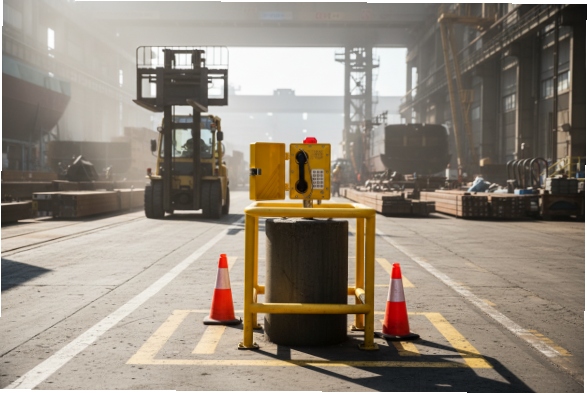
Placement and clearances: treat phones like fixed safety equipment
A station should be easy to reach and hard to hit. Practical placement habits include:
-
mount outside main travel lanes, but still visible from them
-
avoid corners where loads swing
-
keep the handset side away from crane hooks and chains
-
use a bollard or pedestal mount when walls are constantly struck
-
add a guard hoop that blocks direct hits but does not trap grime
Height should support glove use and quick access. Many shipyards standardize on a consistent mounting height across the yard so crews know where to reach.
Armored cabling: defend the last 2 meters
The last section of cable near the phone sees the most abuse. A good practice is:
-
armored cable or steel conduit to the station
-
flexible metallic conduit for the final movement section when needed
-
a fixed clamp close to the entry so the cable does not pull the connector or gland
-
abrasion sleeves where the cable crosses steel edges
For Ethernet, use industrial outdoor-rated cable. In wet routes, water-blocking options help in ducts and buried conduits. In high EMI 8 zones near welding machines and large drives, shielded cable and good bonding reduce link flaps.
Isolation pads and resonance control
Soft isolation pads can reduce vibration transfer, but they can also create resonance. A safer approach is usually:
-
stiff, short mounts that do not amplify vibration
-
thermal standoffs or small spacers only when needed
-
bonding straps added if isolation breaks electrical continuity
A simple “uptime build” checklist
| Risk | Better control | Why it helps |
|---|---|---|
| Forklift strikes | guard hoop + protected mounting zone | reduces direct impacts |
| Cable crush/pinch | conduit/armored cable + safe routing | prevents sudden outages |
| Pull-out at entry | strain relief clamp near gland | stops connector and gland loosening |
| Vibration fatigue | stiff mount + short bracket | reduces resonance damage |
| Hot work damage | route away from spatter lanes | avoids melted jackets and membranes |
When clearances and cabling are designed for mobile plant reality, the station stays online through normal yard abuse. That reliability is what makes SIP phones worth deploying across a dry dock.
Conclusion
Explosion-proof SIP phones fit inland shipyards when Zone/Div ratings match fuel and paint hazards, 316L+IK10 builds survive abuse, integration supports paging, and protected mounting with armored cabling prevents damage.
Footnotes
-
Ingress Protection rating indicating an enclosure is dust-tight (6) and protected against powerful water jets (6). ↩
-
International numeric classification for the degrees of protection provided by enclosures for electrical equipment against external mechanical impacts. ↩
-
Session Initiation Protocol: A signaling protocol used for initiating, maintaining, and terminating real-time sessions. ↩
-
Safety Data Sheet: A document that lists information relating to occupational safety and health for the use of various substances and products. ↩
-
A low-carbon grade of stainless steel highly resistant to corrosion, widely used in marine applications. ↩
-
Programmable Logic Controller: A digital computer used for automation of typically industrial electromechanical processes. ↩
-
Public Address/General Alarm: A system used to broadcast voice messages and alarm tones in industrial and marine settings. ↩
-
Electromagnetic Interference: Disturbance generated by an external source that affects an electrical circuit by electromagnetic induction, electrostatic coupling, or conduction. ↩