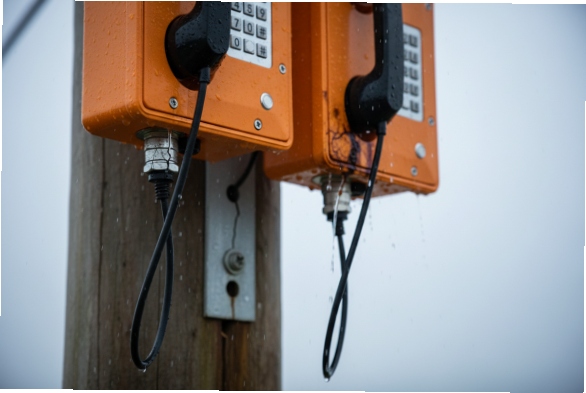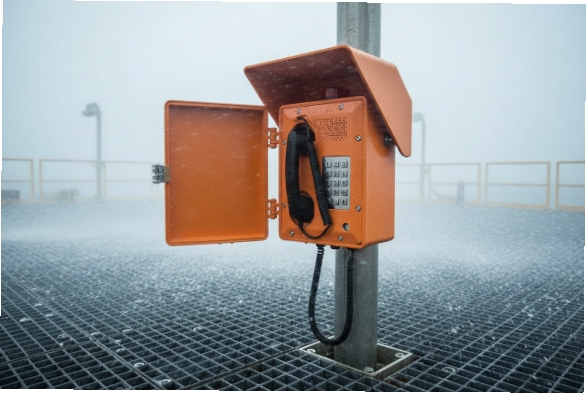
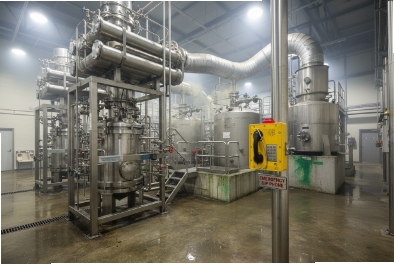
A nitration workshop does not forgive weak equipment. One wrong device can fail an audit, or worse, fail during a real solvent release.
Yes, explosion-proof SIP telephones can be suitable for nitration workshops if the Ex rating matches the solvent vapor zones, the housing resists nitric acid fumes, and the installation uses correct Ex glands, bonding, and corrosion-proof hardware.
How to choose an Ex SIP phone for nitration workshops without audit pain?
Why nitration areas are different from “normal” chemical plants
A nitration line 1 often involves strong oxidizers, hot reactions, and solvent handling. Vapors can appear at charging points, vents, sampling, and maintenance breaks. At the same time, nitric acid fumes attack metals and seals. This combination creates two selection rules:
-
The phone must not become an ignition source in the hazardous area 2.
-
The phone must not degrade from acid fumes and cleaning routines.
A common mistake is to buy a gas-rated phone and ignore chemical corrosion. Another mistake is to buy a “corrosion-proof” phone that is not certified for the actual Zone or Division.
Ex compliance is a system, not only a phone
In nitration workshops, the device model is only part of compliance. The inspector also checks:
-
Ex marking on the nameplate (protection type, gas group, T-class, EPL, Ta range)
-
certified cable glands 3 or seal-offs that match the protection concept
-
bonding to the equipotential network 4
-
installation method that matches the certificate conditions of use
If one item is missing, the phone can be rejected even if it looks rugged.
Corrosion and ingress are daily reliability drivers
IP66/IP67 5 matters because nitration shops often use washdown or aggressive cleaning. Still, “IP rated” only holds when:
-
the right gasket material keeps compression
-
the right glands seal on the real cable OD
-
unused entries are plugged with certified plugs
-
maintenance does not damage sealing faces
A simple location-to-spec map that works in real projects
| Typical location | Main risk | Practical device target | Extra notes for nitration |
|—|—|—|—|
| Reactor platform / charging point | solvent vapor + human activity | Zone 1 (Gb) or Div 1 by study | choose wide Ta margin |
| Sampling station | frequent opening | Zone 1/2 based on ventilation | add beacon and hotline key |
| Corridor outside line | abnormal vapor only | Zone 2 (Gc) or Div 2 | good place for call points |
| Control room boundary | mostly safe area | rugged SIP phone or Ex by policy | keep emergency hotline |
A good plan places phones where operators can reach them fast, but where the zone severity is reasonable. This reduces cost and keeps installation simple.
This is the foundation. Next comes the first hard question buyers ask: which hazardous-area ratings actually fit solvent-based nitration lines?
A clear answer here prevents “wrong phone in the wrong bay” during commissioning.
Which hazardous-area ratings cover solvent-based nitration lines?
Nitration lines often use flammable solvents and can release vapors during normal work steps. If the rating is wrong, the phone fails approval even before the first call.
Most solvent-based nitration lines need Zone 1 or Zone 2 (ATEX/IECEx) or Class I Div 1/Div 2 (NEC/CEC) depending on the country and the area classification study. The correct gas group and T-class must match the worst credible solvent vapor at the mounting point and the maximum local ambient temperature.
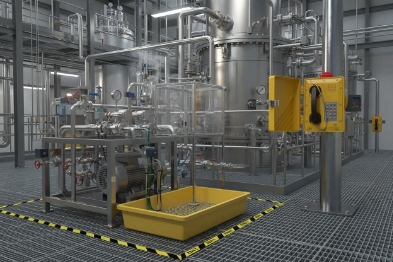
Zone vs Division: match the site code, not the vendor preference
-
Many global chemical sites use ATEX/IECEx 6 Zone 1/2.
-
Many US/Canada sites use Class I Div 1/2.
A Zone-rated device is not always accepted as a replacement for a Class/Div listed device. The project specification should state the required scheme early.
Gas groups: do not guess based on “it is only solvent”
Solvent vapors are often in the IIA/IIB range in Zone language, but the exact requirement comes from the site hazardous area dossier and the chemicals list. A nitration unit can have multiple solvents across campaigns. Many owners standardize on the higher group within their policy to reduce mistakes.
A practical buying habit is:
-
Use the site-required gas group on the nameplate.
-
If the chemical list changes often, select a device with broader gas group coverage that still fits budget and availability.
T-class and Ta range: avoid silent non-compliance
Two phones can both say “Zone 1,” but one can be rejected because:
-
the required T-class is stricter than the phone nameplate
-
the Ta ambient range is too narrow for summer heat, hot platforms, or enclosure sun load
Nitration lines can have hot pipes, hot vessels, and radiant heat. Placement matters, but so does margin.
What a good nameplate line looks like in procurement language
A procurement line should call out:
-
protection concept (often Ex d or Ex db eb for harsh industrial areas)
-
zone level (Zone 1 Gb or Zone 2 Gc)
-
gas group (IIA/IIB/IIC per site requirement)
-
temperature class (T-rating) and Ta ambient range
| Marking element | What it controls | Why it matters at nitration |
|—|—|—|
| Ex protection type | how ignition is prevented | influences gland and maintenance rules |
| Zone/EPL | where it can be installed | drives inspector acceptance |
| Gas group | which vapors are covered | solvent campaigns can vary |
| T-class + Ta | surface temperature safety | hot platforms and sun load are real |
When this section is correct, the phone is allowed to be there. Next, it must survive there. Nitric acid fumes and solvent exposure destroy weak housings and weak seals.
Do IP66/67, 316L/Hastelloy housings resist nitric acid fumes and solvents?
Many devices survive a short factory test and then degrade in months near nitric acid fumes. Corrosion shows up first at small parts and sealing edges.
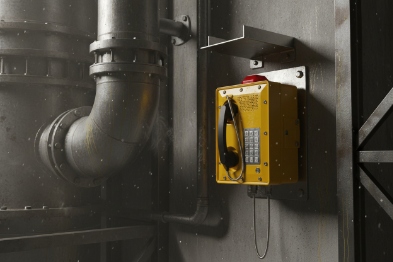
Yes, IP66/IP67 enclosures can work in nitration workshops if the housing and fasteners resist acid fumes and the gasket and keypad materials resist solvent swelling. 316L is a strong baseline for many chemical sites, while Hastelloy is often chosen when nitric acid exposure is severe or continuous.
What nitric acid fumes do to “normal” metals
Nitric acid 7 fumes and oxidizing atmospheres can:
-
pit and stain common stainless grades over time
-
attack plated fasteners quickly
-
creep into crevices around glands and brackets
-
shorten gasket life if the elastomer is not compatible
This is why the spec should cover more than the main body. The bracket, fasteners, gland locknut, and earth hardware should be corrosion-proof too.
316L vs Hastelloy: a practical decision rule
-
316L is a practical choice for many chemical plants, especially when fumes are intermittent and washdown is controlled.
-
Hastelloy 8 (often C-family alloys) is used when corrosion risk is higher, when exposure is continuous, or when the owner standard requires a higher alloy class for the location.
If Hastelloy is not selected, a corrosion strategy must still exist, such as controlled coatings and strict hardware selection.
IP66/IP67 is real only with the correct entry system
In nitration workshops, failures often come from cable entries:
-
wrong gland size for the cable OD
-
gasket damage during maintenance
-
poor torque control after service
-
missing seals on unused entries
A good project specifies a tested gland set and requires revalidation checks after maintenance.
Ask for chemical compatibility, not only “UV-stable”
Seals and keypads can swell or harden. A chemical compatibility check should cover:
-
nitration solvents used on site
-
cleaning agents
-
foam or sprinkler water additives
-
ozone and UV exposure near doors or skylights
| Component | Common failure mode | Better requirement |
|—|—|—|
| Gaskets | swelling, compression loss | chemical-resistant, low compression-set seals |
| Keypad/labels | cracking, fading | solvent-resistant + UV-stable materials |
| Fasteners | rust stains, seizure | 316 stainless hardware, anti-galling practice |
| Glands | corrosion and leaks | marine-grade/corrosion-proof glands |
| Brackets | crevice corrosion | 316L bracket + isolation strategy if needed |
If the phone stays sealed and intact, the next value is integration. Nitration workshops need fast escalation, paging, and clean links to safety trips and alarms.
Can phones integrate with IP PBX, PAGA, beacons, and SIS/ESD trips?
A nitration workshop needs clear emergency communication. It also needs disciplined boundaries. A phone can support safety workflows, but it should not replace the safety instrumented function.
Yes, Ex SIP telephones can integrate with an IP PBX for hotline and group calling, link to PAGA through paging groups or controller triggers, and activate beacons via relay outputs. For SIS/ESD, the safest approach is event interfacing through PLC/SIS I/O so the phone supports alarms and escalation without becoming part of the shutdown loop itself.

IP PBX integration: what matters in high-risk areas
Useful PBX functions for nitration workshops include:
-
SOS hotline to control room
-
escalation if the first group does not answer
-
priority calling rules during incidents
-
call logs aligned with NTP time
In many projects, voice media stays on local networks for reliability. Remote management can still be used for templates and health monitoring.
PAGA and paging: keep it predictable
Workshops are noisy. Operators wear PPE. PAGA horns and speakers are needed to push messages beyond local ringer volume. Two stable patterns work:
-
SIP multicast paging 9 with VLAN/QoS and IGMP control
-
relay trigger into a paging controller input for predefined alarm tones
The relay trigger method is simple and robust when network teams want paging to be independent of VoIP traffic spikes.
Beacons and strobes: guide responders
A relay output can trigger:
-
a local strobe at the call point
-
a beacon controller input for a wider zone
-
a horn/strobe combination controller
This improves response speed and reduces confusion in smoke or spray.
SIS/ESD trips: keep shutdown logic in the safety system
A safe integration model is:
-
SIS/ESD logic 10 remains in the safety system
-
phone receives an input event (trip active) to auto-call or show indication
-
phone provides a relay output to signal “call point active” to a PLC input
-
all trip actions remain controlled and interlocked by SIS
| Event | Who should control it | Phone role that is safe | What to test |
|—|—|—|—|
| Trip active | SIS/ESD | receive input, auto-call group | alarm-to-call latency |
| Evacuation tone | PAGA controller | trigger paging group or controller | paging priority |
| Local attention | beacon controller | relay trigger | latching and reset |
| Device fault | maintenance system | SNMP/syslog or PBX monitoring | alert routing |
If integration is clean, audits go smoother and operations trust the system. Still, many nitration projects fail audits on installation details: glands, bonding, and fasteners.
What EX glands, bonding, and corrosion-proof fasteners pass audit checks?
Auditors often focus on the installation because installation errors are common and visible. In nitration workshops, corrosion makes small mistakes worse over time.
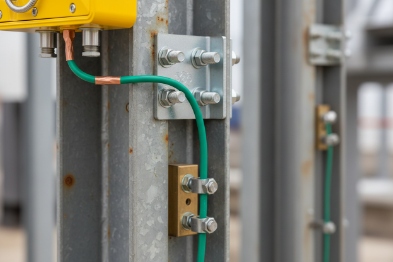
Audit-ready installations use certified Ex glands that match the protection concept, strong equipotential bonding with short corrosion-proof paths, and fasteners that resist nitric acid fumes. The job also needs clear records: certificates, gland part numbers, torque practice, and continuity checks.
Ex glands: match the protection concept and the cable build
For flameproof (Ex d / Ex db) enclosures, glands are not “any metal gland.” The gland must be certified for:
-
the same Ex concept and zone level
-
cable type (armored vs unarmored)
-
cable diameter range
-
sealing approach required by the certificate conditions
In corrosive atmospheres, gland material and plating matter. A corrosion-proof gland body and locknut prevent seized threads and maintain sealing.
Bonding: make equipotential bonding obvious and durable
Bonding should:
-
connect the phone earth stud to the local equipotential bar
-
use short conductors with corrosion-resistant lugs
-
avoid paint isolation at bonding points unless bonding washers are used
-
be verified with a continuity check during commissioning
This reduces ESD issues and improves surge behavior on long cable runs.
Corrosion-proof fasteners: specify the small parts
A nitration workshop punishes mixed metals. A good spec covers:
-
316 stainless bolts, washers, and nuts
-
316L brackets or higher alloy as required
-
anti-galling practice for stainless threads
-
thread inserts (helicoils/solid inserts) where repeated service is expected
-
isolation strategy if dissimilar metals meet
Documentation: what auditors expect to see
A vendor and installer should be ready to provide:
-
Ex certificate copies and nameplate photos
-
gland and plug certificates and part numbers
-
installation instructions and conditions of use
-
commissioning records (bond continuity, call test, paging test, I/O test)
-
maintenance plan and inspection schedule
| Audit check item | What passes | What fails in real sites |
|—|—|—|
| Glands and plugs | certified, correct size, torqued | mixed industrial glands, loose locknuts |
| Unused entries | certified plugs fitted | open holes or wrong thread plugs |
| Bonding | short, clean, recorded continuity | long straps, paint under lug, no record |
| Hardware | corrosion-proof and consistent | plated screws, mixed metals, seized bolts |
| Records | traceable pack per unit | missing certificates and test logs |
This is where a disciplined supplier helps. A complete “installation pack” reduces arguments, reduces rework, and keeps the nitration workshop compliant through the next audit cycle.
Conclusion
Explosion-proof SIP telephones suit nitration workshops when Zone/Div ratings match solvent hazards, materials resist nitric acid fumes, integrations support PBX/PAGA/SIS workflows safely, and glands, bonding, and hardware meet audit expectations.
Footnotes
-
Chemical process involving the introduction of a nitro group into a molecule. ↩
-
Locations where fire or explosion risks may exist due to gases or dust. ↩
-
Mechanical devices designed to attach and secure the end of a cable. ↩
-
Electrical connection maintaining metal parts at the same voltage potential. ↩
-
Standard defining levels of sealing effectiveness against dust and water. ↩
-
International standards for equipment used in explosive atmospheres. ↩
-
Highly corrosive mineral acid often used in nitration processes. ↩
-
Nickel-based steel alloy offering superior corrosion resistance. ↩
-
Signaling protocol used for initiating and maintaining communication sessions. ↩
-
Engineered system designed to maintain safe operation of a process. ↩