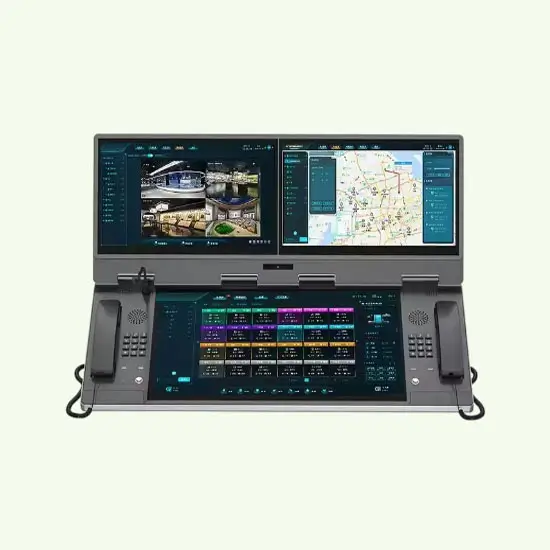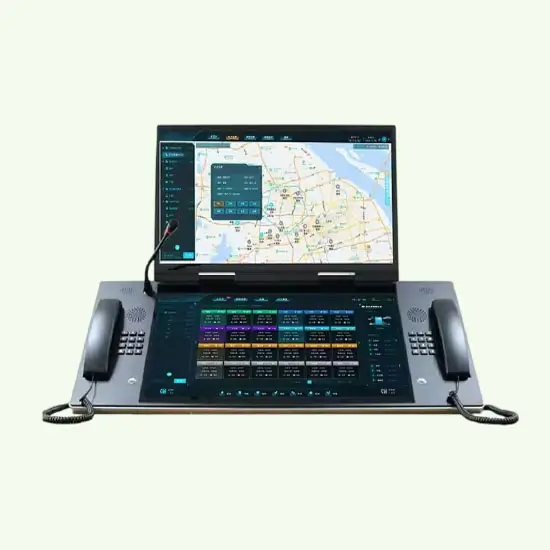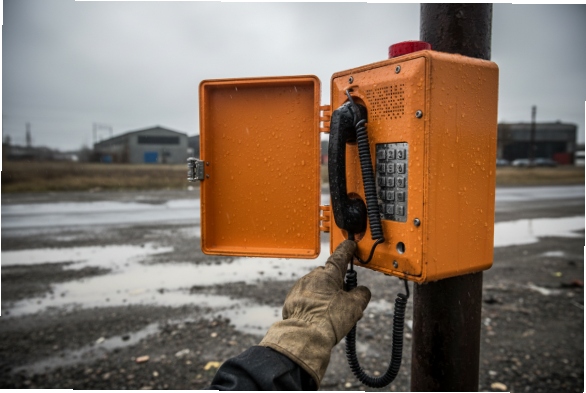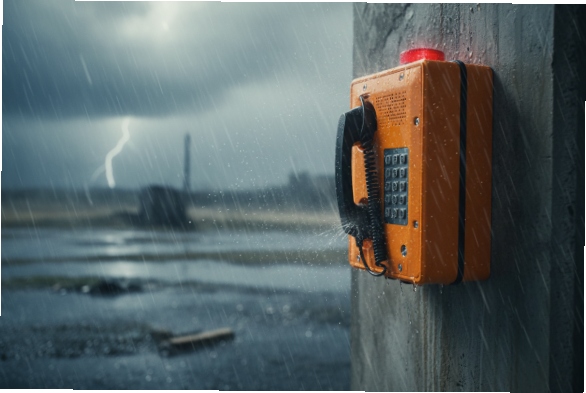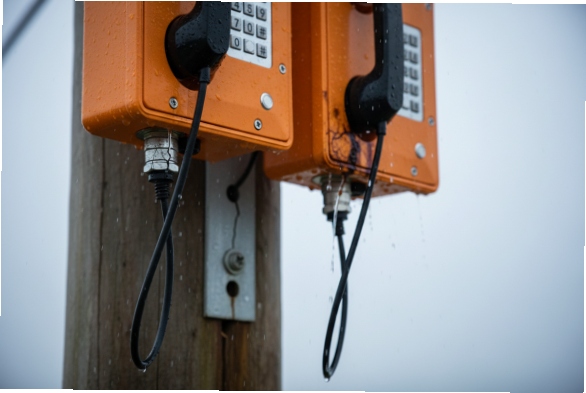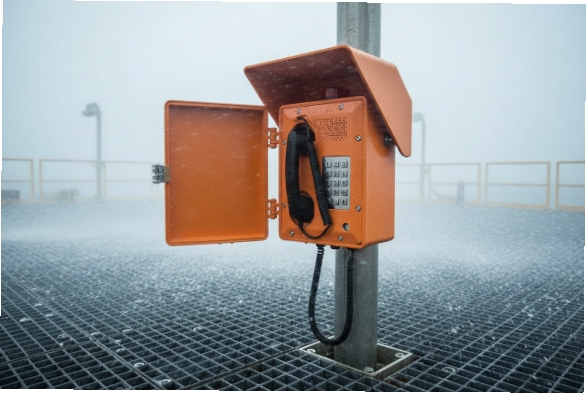
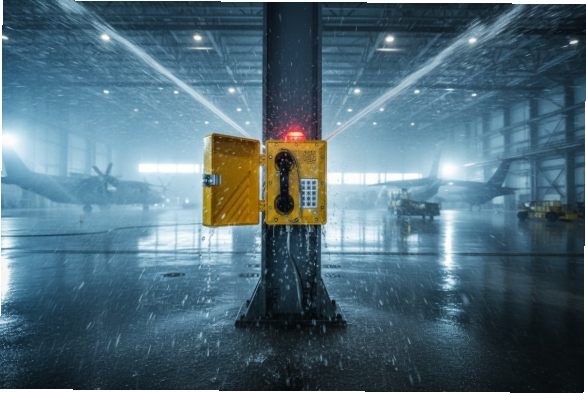
Industrial fire suppression often involves deluge systems or high-pressure sprinklers that turn a facility into a car wash in seconds. Standard communication gear fails instantly under this assault, severing the lifeline just when coordination is most critical. Whether in aircraft hangars, chemical storage, or offshore modules, the communication system must survive the "cure" as well as the hazard.
Yes, explosion-proof SIP telephones are exceptionally suitable for sprinkler-covered zones. Their IP66/IP67 rated enclosures are designed to withstand high-velocity water jets and temporary flooding, ensuring they remain operational during accidental discharges, routine testing, or active fire suppression events.
Surviving the Deluge
When a deluge valve trips, water isn’t just "sprinkled"; it is blasted. A typical system can dump thousands of liters per minute. As a representative of DJSlink, I emphasize to safety managers that water ingress is the silent killer of electronics. A phone that shorts out during a fire alarm prevents operators from confirming false alarms or coordinating manual overrides.
Suitability in these zones is defined by three factors:
- Sealing Integrity: Keeping pressurized water out of the electronics.
- Audio Resilience: Ensuring the microphone and earpiece function when wet.
- Connectivity: Maintaining the link to the central safety system.
Why "Weatherproof" Isn’t Enough
Standard outdoor phones (IP54/IP55) are designed for rain. Sprinklers create multi-directional, high-pressure spray that penetrates standard gaskets. Explosion-proof phones, by necessity of their "Ex" ratings, have far tighter machining tolerances and deeper seal paths, making them inherently superior for water defense.
Do IP66/67, sealed handsets withstand deluge and washdown testing?
A deluge system hits equipment from all angles. A phone might be rated IP67 (immersion), but if it hasn’t been tested for IP66 (powerful jets), the pressure of a nearby sprinkler head could force water past the seals. Furthermore, the handset itself—often the weak link—must not fill with water.
Yes, units carrying dual IP66/IP67 ratings are verified to withstand powerful water jets (100L/min) from any direction and temporary submersion. Modern handsets use hermetically sealed bodies with magnetic non-contact hook switches, eliminating the physical lever holes that act as primary water entry points during washdowns.
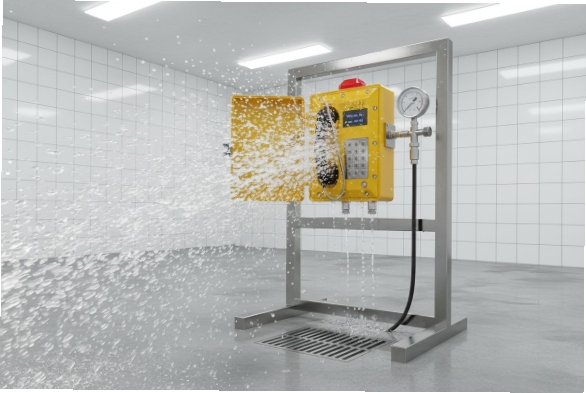
The Engineering of "Water-Immunity"
1. The Magnetic Advantage
- The Problem: Standard phones have a mechanical lever that moves up and down. This requires a hole in the casing.
- The Solution: We use Reed Switches 1. The handset contains a magnet; the phone body contains a sensor behind solid metal. There is zero physical penetration, so water cannot enter the hook switch mechanism no matter the pressure.
2. The Hydrophobic Barrier
- The Handset: The microphone and speaker elements are protected by hydrophobic meshes. These allow sound waves to pass but physically block water molecules. Even if the handset is dripping wet, you can shake it off and speak clearly.
3. The Cord Gland
- The Seal: The entry point where the curly cord enters the phone body is sealed with a high-compression gland, preventing water from "wicking" up the inside of the cable jacket.
Will corrosion-resistant labels and membranes remain legible after sprays?
Sprinkler water often sits in pipes for years, becoming a sludge of rust and sediment. In chemical plants, it might be mixed with foam concentrates. This "dirty water" can obliterate paper labels and peel off cheap stickers, leaving operators blindly pressing buttons.
Absolutely. We utilize laser-etched stainless steel keypads and UV-cured, reverse-printed polycarbonate overlays that are chemically resistant. Instructional text is often engraved directly into the housing or printed on riveted metal plates, ensuring legibility withstands abrasive water pressure and chemical exposure.
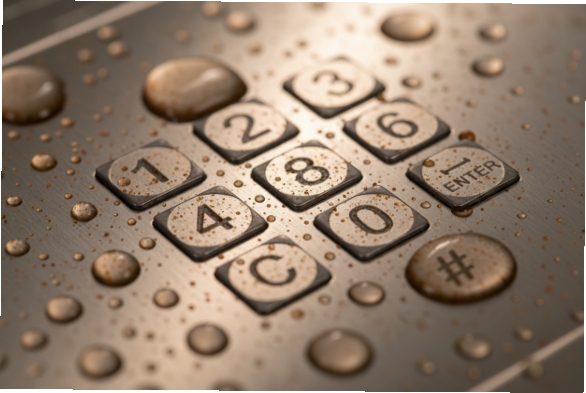
Permanence is Safety
- Laser Etching: The numbers on our keypads aren’t printed on the surface; they are burned into the 316L stainless steel. They cannot be washed off.
- Chemical Bonding: The overlay membranes use industrial 3M VHB 2 adhesives that cure stronger with time and pressure, preventing edges from lifting under the force of a spray.
Can devices link to IP PBX, PAGA, and fire alarm panels?
A phone in a sprinkler zone must be an active participant in the safety protocol, not just a passive victim. It needs to communicate with the Fire Alarm Control Panel (FACP) to broadcast warnings or confirm system status.
Yes, SIP phones integrate with IP PBX for standard voice and feature programmable I/O relays to interface with Fire Alarm Panels. They can auto-dial security upon sprinkler flow-switch activation or be triggered by the panel to broadcast PAGA evacuation tones through external horns.
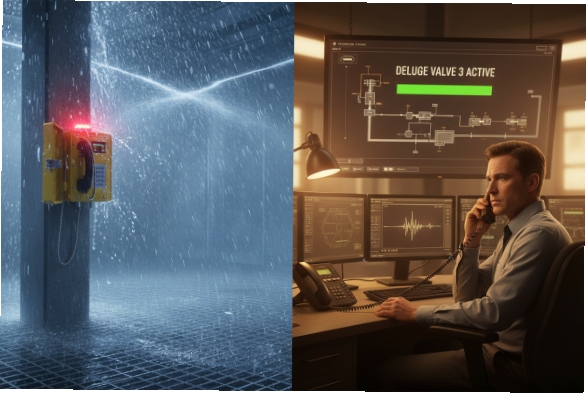
Smart Safety Logic
- Input (Flow Switch): Connect the sprinkler system’s flow switch 3 to the phone’s Digital Input. When water flows, the phone auto-dials the control room: "Alert: Deluge Valve 3 Active."
- Output (Evacuation): Connect the Fire Panel to the phone’s Digital Input. When the alarm trips, the phone becomes a siren, blasting an evacuation tone through a 30W horn.
- SIP Paging: The Incident Commander can use any other phone to "page" the sprinkler zone, broadcasting voice instructions ("Leave the area immediately") over the noise of the water.
What drip shields and cable glands prevent water tracking?
Gravity is relentless. Water running down a cable will find a way into the enclosure if given a path. "Water tracking" causes more failures than direct spray, as water pools at the gland and is sucked in during thermal cooling cycles.
To prevent tracking, install cables with a "drip loop" (U-shape) before entry and use IP68-rated nickel-plated brass or stainless steel glands with internal strain relief. Adding a 316L stainless steel drip shield (rain hood) above the unit physically deflects direct sprinkler discharge, keeping the faceplate clear for use.
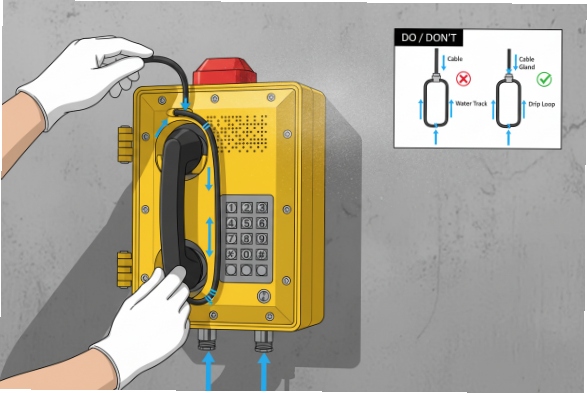
Installation Best Practices
1. The Drip Loop
- The Rule: Never run a cable straight down into the top of the phone.
- The Method: Shape the cable into a "U" below the phone before bringing it up to the gland. Water runs down to the bottom of the "U" and drips off harmlessly.
2. The Gland
- Selection: Use Double Compression Glands 4. They seal on the inner bedding and the outer sheath, providing a fail-safe.
- Material: Match the gland to the housing (Stainless on Stainless) to avoid galvanic corrosion 5.
3. The Hood (Drip Shield)
- Function: It acts like an umbrella. In a deluge, it keeps the main volume of water off the handset and keypad, making it physically easier for a panicked operator to grab the phone without slipping or struggling against a waterfall.
Conclusion
Sprinkler zones are hostile environments for electronics. By choosing IP66/IP67 rated explosion-proof SIP phones with magnetic hook switches and installing them with drip loops and protective hoods, you ensure that your communication network remains the one thing that doesn’t go down when the water turns on.
Footnotes
-
An electrical switch operated by an applied magnetic field. ↩
-
A family of double-sided foam tapes made from high-performance acrylic adhesives. ↩
-
A mechanical switch that is tripped by the flow or non-flow of a fluid. ↩
-
Cable glands designed to provide a seal on both the inner and outer sheaths of a cable. ↩
-
An electrochemical process in which one metal corrodes preferentially when it is in electrical contact with another. ↩