
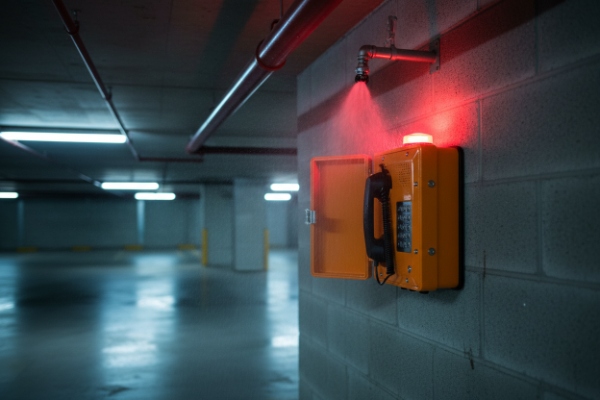
Yes, a weatherproof telephone can be installed in sprinkler zones, but it must meet specific requirements to ensure it remains functional and protected under continuous splash exposure.
For successful installation in sprinkler zones, the telephone must have an IP67 or higher rating, corrosion-resistant materials, and proper installation practices to prevent water ingress.
Proper installation techniques and compliance with local regulations ensure that the weatherproof telephone remains operational in sprinkler zones, even when exposed to water sprays or frequent tests.
Which IP/NEMA ratings qualify for continuous splash exposure?
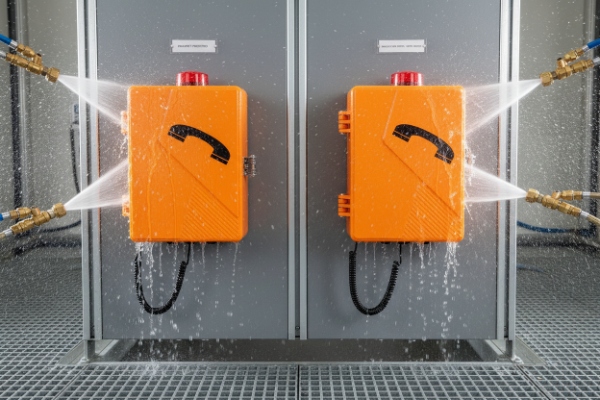
To withstand exposure to sprinkler systems, the telephone must be rated for continuous splash and water exposure.
Telephones rated IP66 or higher (IP67) and NEMA 4 or 4X are suitable for installation in sprinkler zones, offering protection against water ingress.
Relevant Ratings:
-
IP66/IP67:
-
NEMA 4/4X:
- NEMA 4 and 4X 2 enclosures offer similar protection against water spray and corrosion, suitable for outdoor and industrial environments.
Both IP66 and NEMA 4 ratings provide sufficient protection to ensure reliable operation in sprinkler zones where exposure to water is frequent.
Do local fire codes require protective hoods or covers?
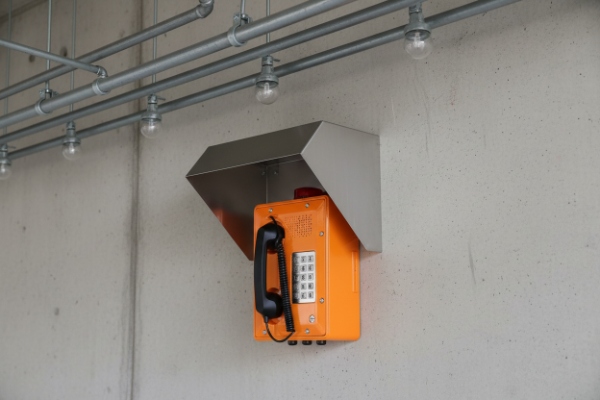
Fire codes and safety regulations vary by region, but in many cases, protective hoods or covers may be required to shield weatherproof telephones from sprinkler water.
Local fire codes often necessitate protective covers to ensure that the telephone is easily accessible and remains functional even in sprinkler zones.
Key Considerations:
-
Protection from Direct Water Impact: Protective covers or hoods prevent direct exposure to the sprinkler spray, ensuring that the phone remains operational.
-
Compliance with Building Codes: Installing the telephone under a cover may be a requirement to prevent obstruction of the sprinkler system while allowing the phone to be used for emergency communication 3.
Before installation, it’s essential to check with local fire authorities to ensure compliance with building codes related to sprinkler system design 4 and emergency communication systems.
Will overhead spray affect handset hook stability?
Overhead sprinkler systems can potentially affect the stability of the handset hook, especially if water collects on the cradle or inside the handset.
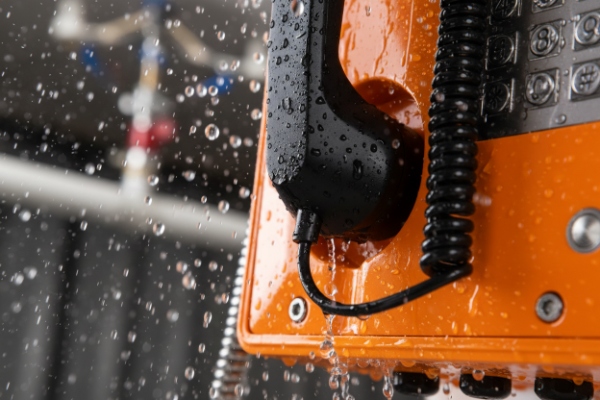
Proper installation techniques, including using drip loops and sunshades, can prevent water from pooling on the handset hook and maintain its stability.
Measures to Prevent Water Impact:
-
Drip Loops: Install cables with drip loops 5 to direct water away from the handset cradle.
-
Sunshades or Hoods: Install protective covers above the telephone to minimize direct water impact and reduce temperature fluctuations.
These measures will help prevent any interference with the handset’s function and maintain its usability over time in a sprinkler zone.
Are stainless fasteners and sealed glands mandated?
Yes, stainless fasteners and sealed glands are highly recommended, particularly in sprinkler zones where water exposure is frequent.
Corrosion-resistant stainless steel fasteners and IP-rated sealed glands are essential to ensure long-term reliability and prevent leaks.
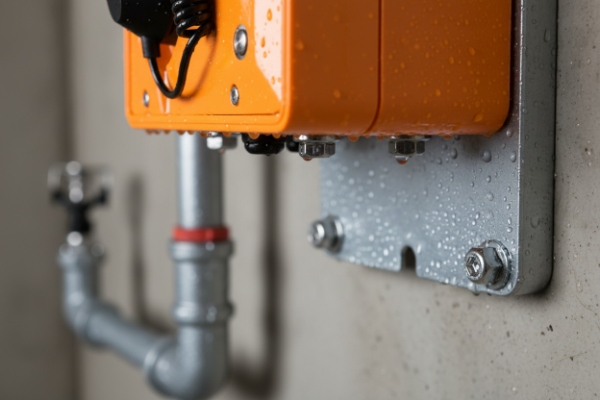
Why Stainless and Sealed Glands Matter:
-
Stainless Steel Fasteners:
- These fasteners resist rust and corrosion, ensuring that the telephone remains secure even when exposed to water and moisture over time. Stainless steel grades 6 like 316 are often preferred for their superior resistance.
-
Sealed Glands:
- Use glands rated at least IP66 to prevent water ingress at cable entry points, which is crucial in a sprinkler zone where water exposure is constant. Proper cable gland selection 7 ensures seal integrity.
By using the correct materials, you ensure that the weatherproof telephone performs reliably and retains its corrosion protection 8 against water and environmental damage.
Conclusion
Installing a weatherproof telephone in sprinkler zones requires ensuring it meets the right IP rating 9, using corrosion-resistant materials, and following local fire codes for safety. Proper installation techniques, including protective covers, will help ensure the telephone remains operational even in the presence of water.
Footnotes
-
A comprehensive chart explaining Ingress Protection (IP) ratings and what they mean for device protection. ↩
-
Overview of NEMA enclosure types and their suitability for different environmental conditions. ↩
-
Reference to NFPA 72, the National Fire Alarm and Signaling Code, covering emergency communication systems. ↩
-
Reference to NFPA 13, the Standard for the Installation of Sprinkler Systems. ↩
-
Explains the function and importance of drip loops in preventing water damage to electrical connections. ↩
-
Guide to stainless steel grades and their corrosion resistance properties for outdoor applications. ↩
-
Technical guide on selecting the correct cable gland based on environment and cable type. ↩
-
Definition and overview of corrosion protection methods for industrial equipment. ↩
-
Official IEC page defining the international standard for IP ratings. ↩








