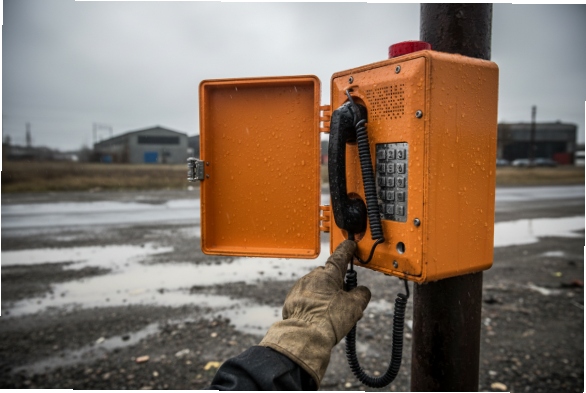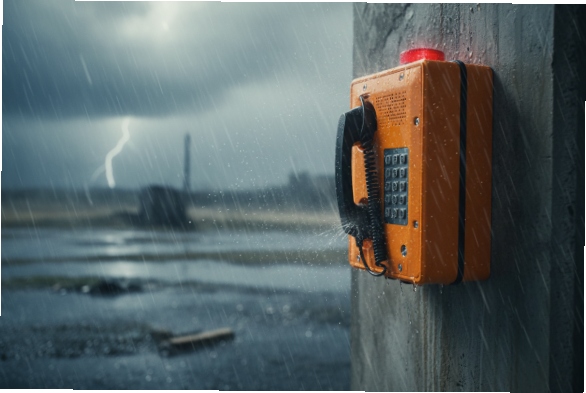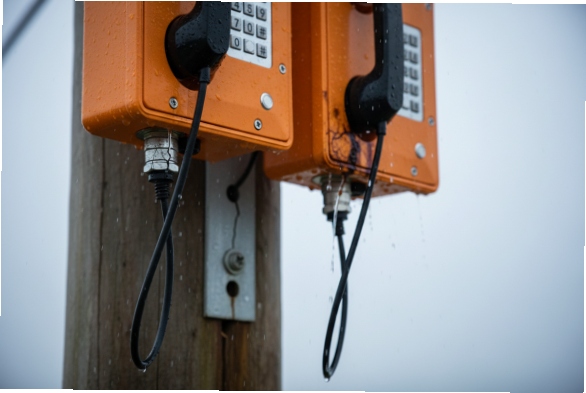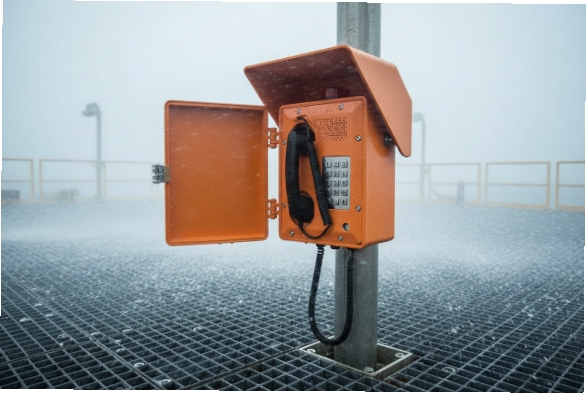
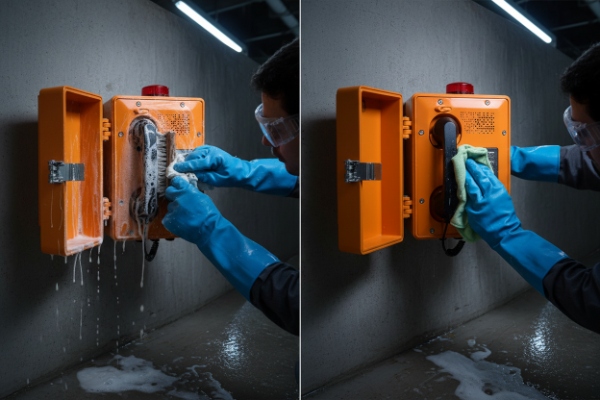
Weatherproof telephone enclosures are designed to withstand harsh environmental conditions, but improper cleaning can damage the protective coatings, reducing the enclosure’s longevity and performance. The key to preserving the integrity of the coating lies in choosing the right cleaning agents and methods.
Yes, harsh or solvent-based cleaners can damage the protective coatings on weatherproof telephones, leading to degradation of the finish.
Cleaning chemicals that are too harsh, such as strong alkalis, acids, bleach, and certain solvents, can deteriorate powder coatings or anodized finishes. Over time, this can compromise the telephone’s ability to resist corrosion, weather, and general wear. To ensure the coatings remain intact, it’s essential to follow best practices when cleaning weatherproof enclosures.
Which Cleaning Chemicals Are Approved for Powder-Coated or Anodized Enclosures?
The selection of cleaning chemicals is critical to maintaining the finish on weatherproof telephones. Powder-coated and anodized enclosures require careful attention to prevent damage from cleaning agents.
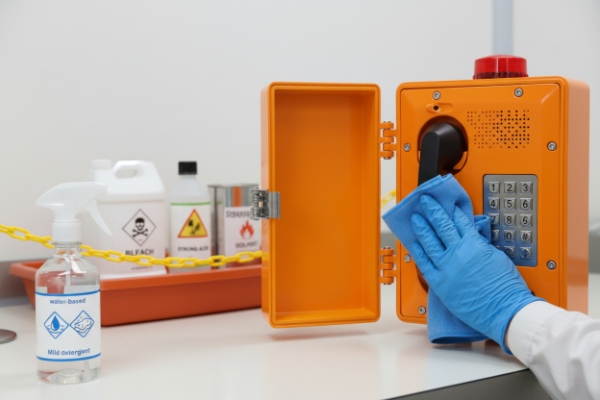
Mild, pH-neutral detergents and water-based cleaning solutions are typically safe for powder-coated or anodized enclosures.
Safe Cleaning Agents
-
Mild Detergents: Detergents that are pH-neutral 1 or mildly alkaline are safe for cleaning powder-coated or anodized surfaces. These detergents will clean effectively without damaging the protective coating.
-
Water-Based Solutions: Water-based cleaners 2 are also ideal as they do not contain solvents or harsh chemicals that could weaken the finish.
-
Specialized Cleaners: Some manufacturers offer cleaners specifically designed for coated or anodized surfaces 3. These cleaners are formulated to be effective while preserving the integrity of the coating.
Cleaning Agents to Avoid
-
Strong Alkalis and Acids: Harsh cleaning agents with extreme pH levels 4 (either highly alkaline or acidic) can degrade coatings and expose the underlying metal to corrosion.
-
Solvents and Aromatics: Strong solvents, such as acetone, or aromatic compounds can dissolve or soften coatings, leading to discoloration and degradation.
-
Chlorine/Bleach: These chemicals, especially at high concentrations, can weaken coatings over time, causing them to crack or peel.
What pH Range, Concentration, and Dwell Time Are Safe for Washdowns?
When cleaning weatherproof enclosures, it’s essential to know the safe limits for pH, concentration, and dwell time to ensure no damage occurs to the coating.
The pH range of cleaning agents should be between 6 and 8, and the solution should be used with minimal dwell time to avoid coating degradation.
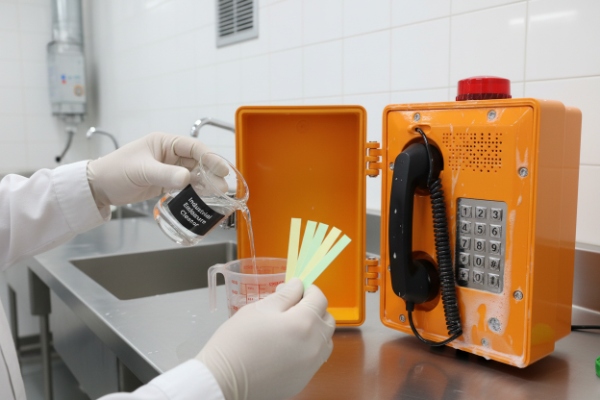
pH Range
- Neutral to Mildly Alkaline (pH 6-8): Cleaning solutions with a neutral or mildly alkaline pH range are ideal for washdowns. This range ensures that the chemicals are effective for cleaning without damaging the enclosure’s protective finish.
Concentration
- Low Concentration: Diluting cleaning agents to a low concentration reduces the risk of damage. Stronger concentrations of cleaning chemicals can penetrate the coating and cause degradation, especially if they remain in contact with the surface for too long.
Dwell Time
- Short Dwell Time: It’s important to limit the dwell time 5 of cleaning agents on the surface. The longer the cleaning solution sits, the higher the likelihood it will affect the coating. A quick washdown followed by thorough rinsing is recommended.
How Many Detergent-Rub or Abrasion Cycles Should the Finish Withstand per ASTM/ISO?
According to ASTM and ISO standards, the finish on weatherproof enclosures should be able to withstand a certain number of abrasion or detergent rub cycles to simulate real-world wear and tear.
Weatherproof telephone enclosures should withstand at least 100 cycles of detergent rub or abrasion testing, according to ASTM and ISO standards.
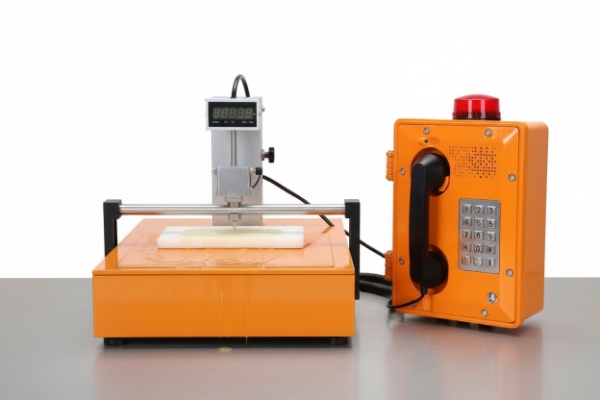
Abrasion and Detergent Rub Testing
The purpose of these tests is to simulate the effects of cleaning over time. During testing, the enclosure’s coating is subjected to rubbing with a detergent-soaked cloth or abrasive surface to see how well it holds up to repeated cleaning. The ability to withstand at least 100 cycles is typically considered acceptable for weatherproof enclosures.
Standards like ASTM D2486 6 (scrub resistance) and ISO 11998 7 (wet scrub resistance) provide methods for evaluating coating durability against cleaning.
Results of Abrasion Tests
-
Good Resistance: A coating that shows minimal discoloration, surface cracking, or degradation after 100 rub cycles is considered to have good resistance to cleaning and abrasion.
-
Compromised Coating: If the coating begins to crack or peel, it indicates that the finish may not be suitable for environments where frequent cleaning is required.
Are Disinfectants, Solvents, and Pressure-Wash Temperatures Specified in the Maintenance Guide?
Yes, it is essential to follow the manufacturer’s maintenance guide for proper cleaning and to avoid using harsh disinfectants, solvents, or high-pressure washing temperatures that can damage the coating.
Most maintenance guides specify safe cleaning practices, including the use of disinfectants, solvents, and pressure-wash temperatures.
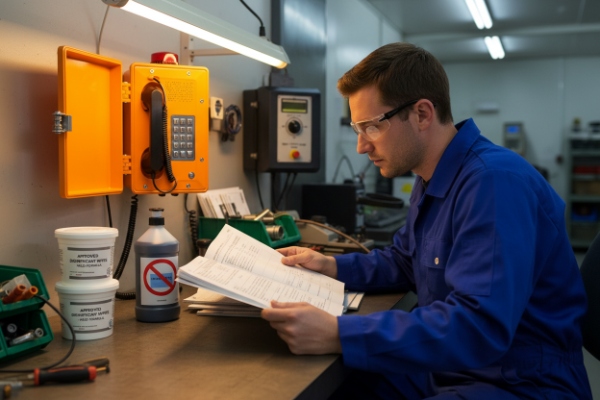
Disinfectants
-
Safe Disinfectants: Disinfectants that are pH-neutral or mild are generally recommended for cleaning weatherproof telephone enclosures. Avoid using harsh bleach-based disinfectants, as they can damage coatings and seals.
-
Avoid Harsh Solvents: Solvents, such as alcohol or acetone, are not suitable for cleaning weatherproof enclosures, as they can dissolve or soften the protective coating. (See solvent effects on plastics 8)
Pressure-Wash Temperatures
-
Moderate Temperatures: Pressure washing at excessively high temperatures can cause the coating to soften or break down. It’s important to use pressure washers with water temperatures within the recommended range (typically below 60°C) to prevent damage.
-
Moderate Pressure: The pressure applied during washdowns should also be kept moderate to avoid damaging the surface or forcing water into seams and joints, which could lead to corrosion 9. High-pressure water can compromise IP ratings (see IP69K testing 10).
Conclusion
To preserve the integrity of a weatherproof telephone’s coating, it’s essential to use mild cleaning agents, avoid harsh chemicals, and follow the manufacturer’s guidelines. Regular maintenance, such as using water-based detergents and avoiding abrasive scrubbing, will help extend the life of the protective coating and ensure the enclosure remains effective in harsh environmental conditions.
Footnotes
-
Explains what neutral cleaners are and why they are safe for sensitive surfaces. ↩
-
A guide to water-based cleaning agents, their benefits, and applications. ↩
-
Reference guide for anodizing, including care and maintenance instructions for anodized aluminum. ↩
-
Overview of pH scale and how acidity or alkalinity affects water quality and materials. ↩
-
Explains the importance of contact time (dwell time) for disinfectants to be effective without causing damage. ↩
-
Standard test method for scrub resistance of wall paints, applicable to evaluating coating durability. ↩
-
ISO standard for determining wet-scrub resistance and cleanability of coatings. ↩
-
Chart detailing the chemical resistance of various plastics to solvents and other chemicals. ↩
-
Definition and explanation of corrosion protection methods. ↩
-
Explanation of the IP69K rating, which involves high-pressure, high-temperature washdown testing. ↩