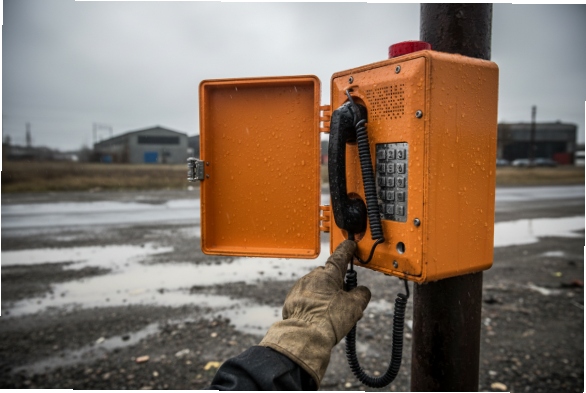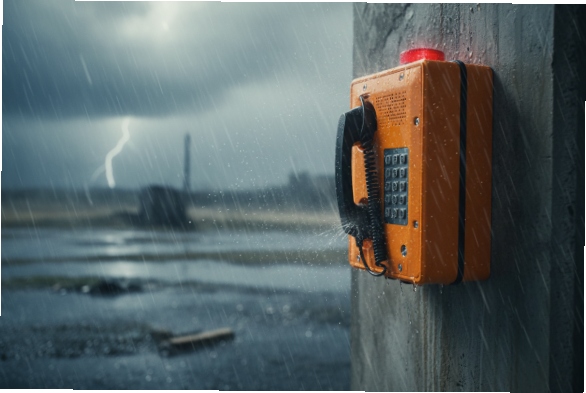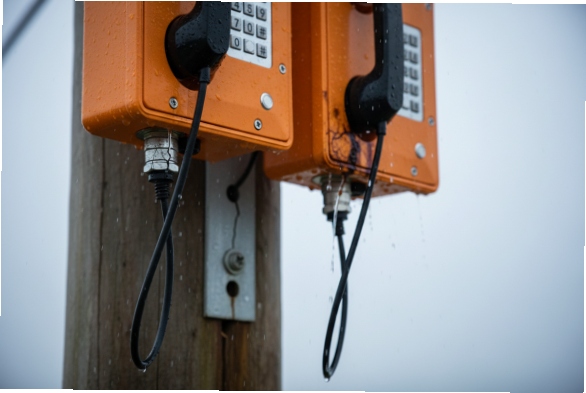
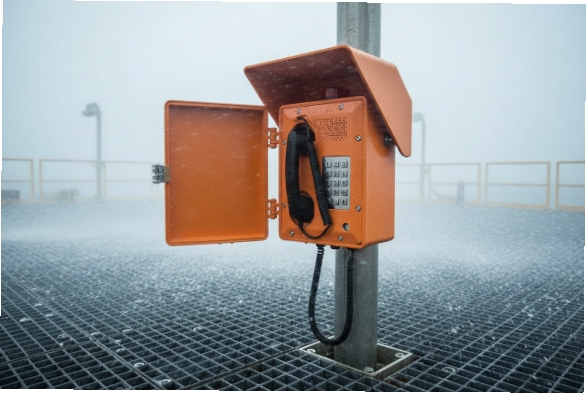
When selecting weatherproof telephones for use in coastal or offshore environments, the level of corrosion protection is a key factor. Does C5-M marine-grade protection apply to these devices?
Yes, some weatherproof telephones are equipped with C5-M marine-grade corrosion protection, ensuring they can withstand the harsh conditions of marine and offshore environments.
Weatherproof telephones designed for marine-grade environments are built to meet stringent corrosion resistance standards, ensuring reliability in challenging conditions like salt spray, high humidity, and saltwater exposure. Let’s delve into the key aspects of C5-M marine-grade protection and how it applies to weatherproof telephones.
Which ISO 12944 Category Is Certified—C5-M or C5-H?
The ISO 12944 standard classifies coatings based on their ability to resist corrosion in various environments. When it comes to marine-grade protection, two categories are often referenced: C5-M and C5-H. So, which one applies to weatherproof telephones?
Most weatherproof telephones designed for marine or offshore use are certified under the C5-M category, which is specifically designed for areas with high humidity and salt exposure.
-
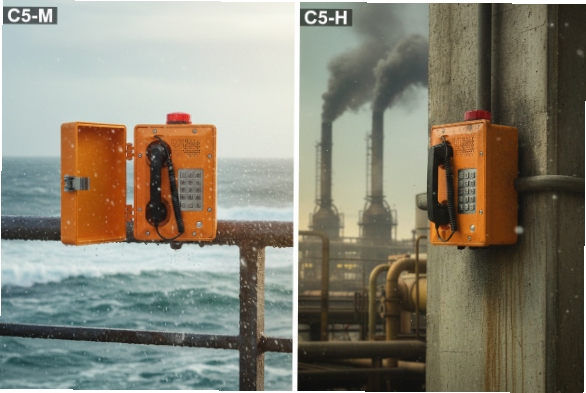
C5-M (Marine): This category is for highly corrosive environments, such as coastal and offshore locations. It ensures robust protection against saltwater, humidity, and other corrosive agents commonly found in marine environments. (See ISO 12944 classification 1)
-
C5-H (Industrial): Refers to the same high level of protection but focuses on industrial areas with high humidity and aggressive atmosphere.
For weatherproof telephones in marine applications, C5-M is the more relevant certification.
What Coating Stack and Salt-Spray Hours Validate C5-M?
To achieve C5-M certification, the coating system must undergo rigorous testing. What are the coating requirements, and how are they validated?
The C5-M coating stack typically includes a high-build primer, durable topcoat, and a corrosion-resistant base material, all tested for over 1,000 hours of salt spray exposure to meet ISO 9227 or ASTM B117 standards.
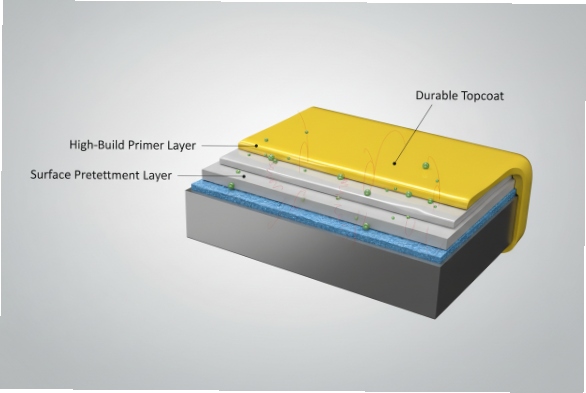
The coating stack is designed to provide maximum durability. It typically includes:
-
Pretreatment to prepare the surface for better adhesion (e.g., chromate conversion 2).
-
High-build primer (often epoxy-based 3) that ensures a thick, protective layer.
-
Topcoat made from durable, corrosion-resistant materials like powder-coated aluminum 4 or stainless steel.
Coatings are then tested for salt spray exposure (via ASTM B117 5), often exceeding 1,000 hours to confirm that the weatherproof telephone can maintain its performance in coastal and marine environments without significant corrosion or failure.
Are Fasteners, Glands, and Brackets Specified to C5 Class?
In addition to the enclosure itself, it’s crucial that all hardware, including fasteners, glands, and brackets, meet the same corrosion protection standards to ensure long-term reliability.
Yes, fasteners, glands, and brackets in marine-grade weatherproof telephones are typically made from corrosion-resistant materials such as 316 stainless steel, and they are specified to the same C5 class as the enclosure.
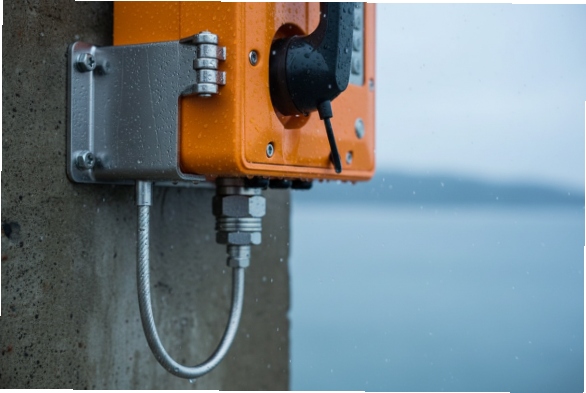
These components are essential for ensuring that the entire assembly can withstand the harsh marine or offshore environments. Using materials like 316 stainless steel 6 ensures that fasteners and other hardware resist corrosion in saltwater and industrial environments.
Are Third-Party Reports and Coastal-Environment Warranties Provided?
For added assurance, many manufacturers offer third-party reports and warranties to verify that their weatherproof telephones meet marine-grade standards.
Yes, many manufacturers provide third-party test reports and offer warranties specifically for use in coastal environments, ensuring the telephones will perform as expected in marine or offshore conditions.
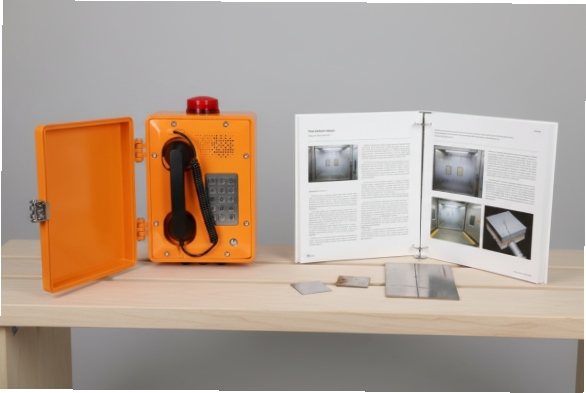
These reports often include detailed test results for salt spray exposure, coating durability, and material integrity from accredited labs (e.g., NACE/AMPP certified 7). In addition, warranties tailored to coastal and marine environments (often referencing Qualicoat Seaside 8) give customers peace of mind, knowing that the product will remain reliable in challenging conditions.
Conclusion
Weatherproof telephones designed for marine or offshore environments are equipped with C5-M marine-grade protection (see corrosion categories 9), ensuring reliable performance in corrosive, high-humidity settings. With advanced coatings, corrosion-resistant hardware, and independent certification (like DNV type approval 10), these phones are built to last in the harshest conditions.
Footnotes
-
Detailed explanation of ISO 12944 corrosion categories and durability ranges. ↩
-
Overview of chromate conversion coatings and their role in corrosion resistance. ↩
-
Describes the properties and benefits of epoxy primers in marine environments. ↩
-
Guide to aluminum finishes, including powder coating, for enhanced protection. ↩
-
Standard practice for operating salt spray (fog) apparatus to test corrosion resistance. ↩
-
Comparison of stainless steel grades, highlighting why 316 is superior for marine use. ↩
-
Official site of the Association for Materials Protection and Performance (formerly NACE). ↩
-
Specifications for Qualicoat certification, including the "Seaside" class for enhanced durability. ↩
-
Technical guide on protective paint systems for steel structures in corrosive environments. ↩
-
Information on DNV type approval services for marine and offshore equipment. ↩