
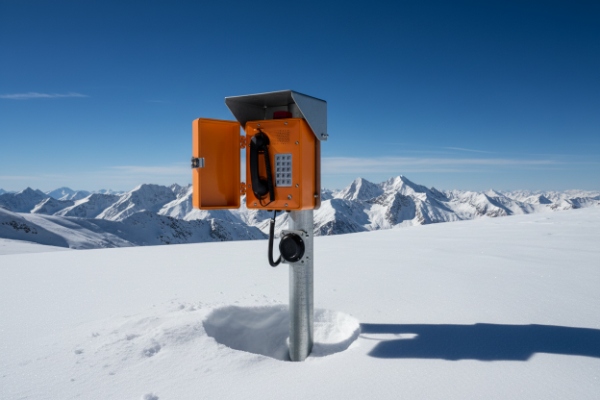
Yes, high-altitude deployments generally require derating of weatherproof telephones due to environmental factors like reduced air density, temperature extremes, and increased UV exposure.
High-altitude environments necessitate careful consideration of temperature, pressure, and material degradation, often requiring derating to ensure reliable performance and long-term durability.
In high-altitude environments, it’s crucial to follow manufacturer recommendations regarding derating and material selection to maintain the integrity and performance of weatherproof telephones.
Does reduced air density raise enclosure surface temperatures?
Yes, reduced air density at high altitudes makes it harder for the weatherproof telephone’s enclosure to dissipate heat.
At high altitudes, lower air density reduces the efficiency of heat dissipation, which can cause higher enclosure surface temperatures.
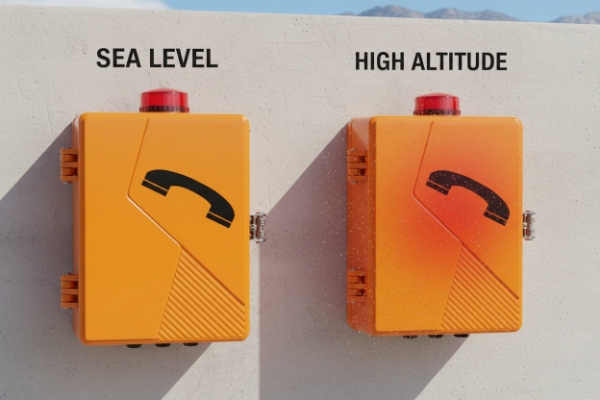
Key Considerations:
-
Reduced Cooling Efficiency: Lower air density means that the surrounding environment can absorb less heat, which results in the internal temperature of the enclosure rising more quickly. This effect is a known factor in thermal management 1.
-
Derating Requirements: Depending on the altitude, manufacturers may recommend lowering the operating temperature range 2 of the device to account for these changes in heat dissipation.
This temperature increase should be taken into account when deploying weatherproof telephones at high altitudes to prevent overheating of sensitive electronic components.
Are heater and fan settings altitude-compensated?
Yes, heater and fan settings may require altitude compensation due to the impact of lower air pressure on thermal management.
High-altitude environments can affect the performance of internal temperature control systems like heaters and fans.
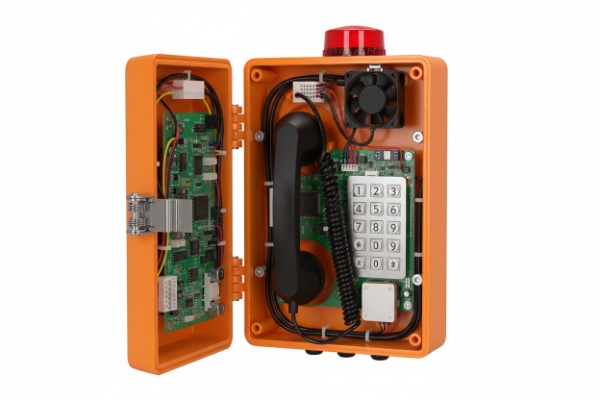
Adjustments for High Altitude:
-
Thermal Management Systems: Fans and heaters designed for high-altitude environments should be able to adjust or compensate for reduced air pressure and temperature fluctuations. Standard fan curves shift due to air density changes 3.
-
Altitude-Specific Settings: Some telephones may feature altitude-specific settings or components that ensure temperature control systems function optimally at different elevations.
Manufacturers may specify heater and fan adjustments or additional solutions for high-altitude installations in their product manuals.
Will SPL, PoE voltage, or RF performance change?
Yes, high-altitude deployments can impact the performance of systems like SPL, PoE voltage, and RF transmission.
Changes in air pressure, temperature, and humidity can affect the efficiency of signal transmission and power delivery in weatherproof telephones.
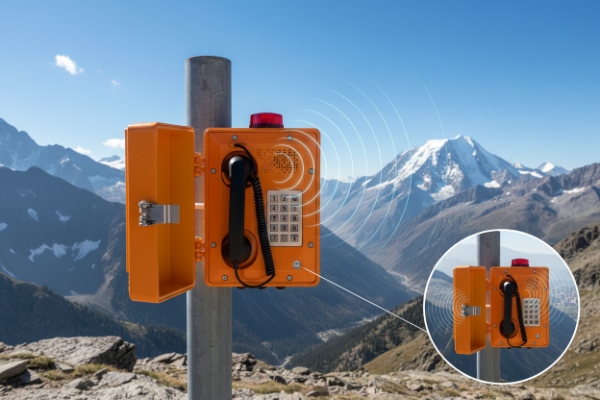
Performance Considerations:
-
SPL (Sound Pressure Level):
- The acoustic performance may change at high altitudes due to the lower air density, which could affect how sound waves travel and reduce loudspeaker efficiency 4.
-
PoE Voltage:
- Lower air pressure and temperatures may cause slight voltage fluctuations, potentially affecting PoE-powered devices 5 if not properly regulated. Reduced cooling capacity can also affect power supply derating.
-
RF Performance:
- RF signals can also be impacted by reduced air density and higher altitudes, affecting wireless communication and signal strength. Atmospheric attenuation 6 characteristics change with altitude.
It’s important to check with the manufacturer to determine if adjustments or additional equipment are needed for these factors in high-altitude environments.
Do pressure differentials stress gaskets or vents?
Yes, pressure differentials at high altitudes can cause stress on gaskets and vents, which may lead to sealing failures if not properly accounted for.
At higher altitudes, the difference in internal and external pressure can cause stress on seals and vents, compromising the telephone’s weatherproofing.
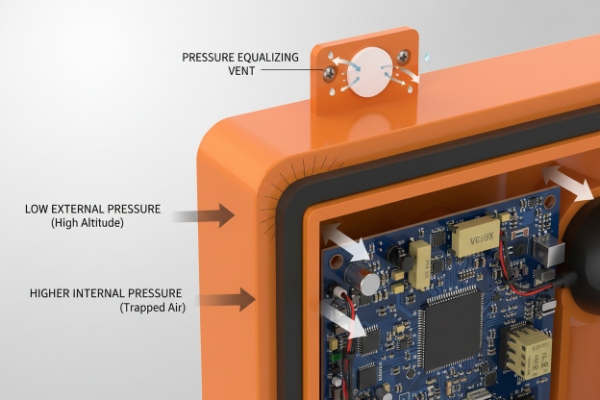
Solutions to Prevent Stress:
-
Pressure Equalizing Vents: Use pressure-equalizing or protective vents 7 designed to prevent internal pressure build-up while maintaining the enclosure’s IP rating.
-
Seals and Gaskets: Choose gaskets and seals designed for high-altitude use to prevent deformation or loss of elasticity due to pressure changes.
-
Material Considerations: Seals made from durable, UV-resistant materials 8 like EPDM 9 or silicone can withstand the stresses caused by pressure differentials and increased solar radiation at altitude.
Proper design and material selection will help ensure that gaskets and vents remain effective, even in high-altitude environments.
Conclusion
High-altitude deployments require special considerations for weatherproof telephones, including derating 10 for temperature and pressure changes, altitude-compensated systems, and adjustments to ensure proper sealing. Always follow manufacturer guidelines for high-altitude operation to ensure reliable performance in these challenging environments.
Footnotes
-
Explains the challenges of air cooling electronics at high altitudes due to reduced air density. ↩
-
Technical analysis of how altitude affects the performance of fan cooling systems. ↩
-
Discusses the relationship between air density, fan performance, and airflow. ↩
-
Detailed article on how altitude impacts sound system performance and loudspeaker efficiency. ↩
-
Overview of Power over Ethernet technology and its power delivery mechanisms. ↩
-
Explanation of atmospheric attenuation and its effect on RF signal propagation. ↩
-
Describes the function of protective vents in equalizing pressure and preventing seal failure in enclosures. ↩
-
Overview of UV resistance in materials, critical for high-altitude environments with stronger solar radiation. ↩
-
Details the properties of EPDM rubber, making it suitable for outdoor and high-altitude sealing applications. ↩
-
Explains the concept of derating power supplies to ensure reliability under specific environmental conditions like altitude. ↩








