Porting delays, surprise demarc rules, and “not our problem” tickets can stall a clean VoIP cutover. Most of that pain comes from not understanding the incumbent local exchange carrier (ILEC) 1 role early.
{#ref-1}
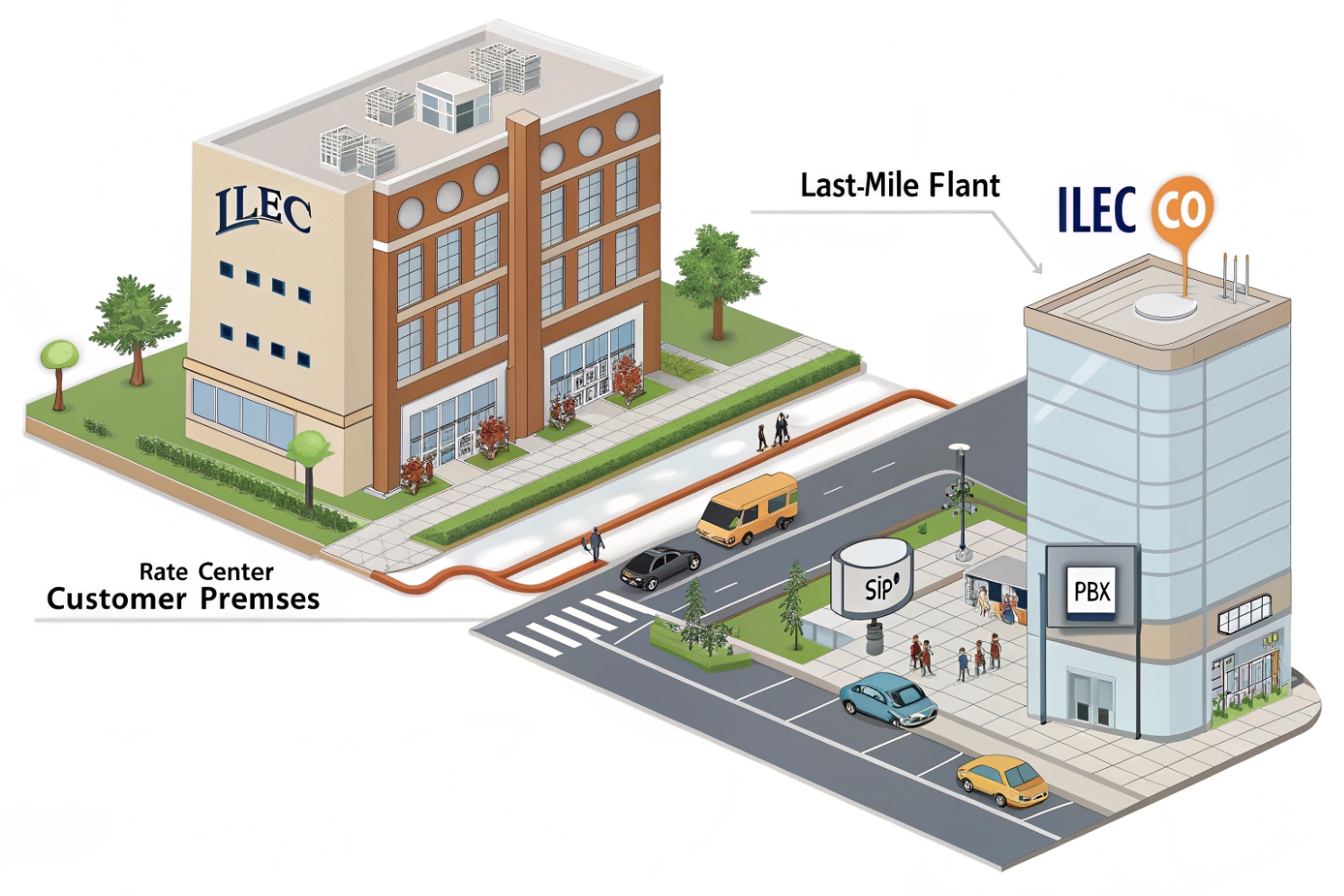
An ILEC is the legacy local phone company in a given area. It often owns the last-mile plant and central-office assets, and it still influences circuits, numbering, porting timelines, 911 workflows, and the demarcation point in many VoIP projects.
A VoIP design is not only SIP trunks and codecs. It is also local telecom reality. The ILEC may not be your VoIP provider, but it can still control key parts of your project path.
How does an ILEC differ from a CLEC, ITSP, and carrier for me?
Many projects fail at the contract layer. The wrong party gets blamed, while the real owner of the problem sits behind the scenes.
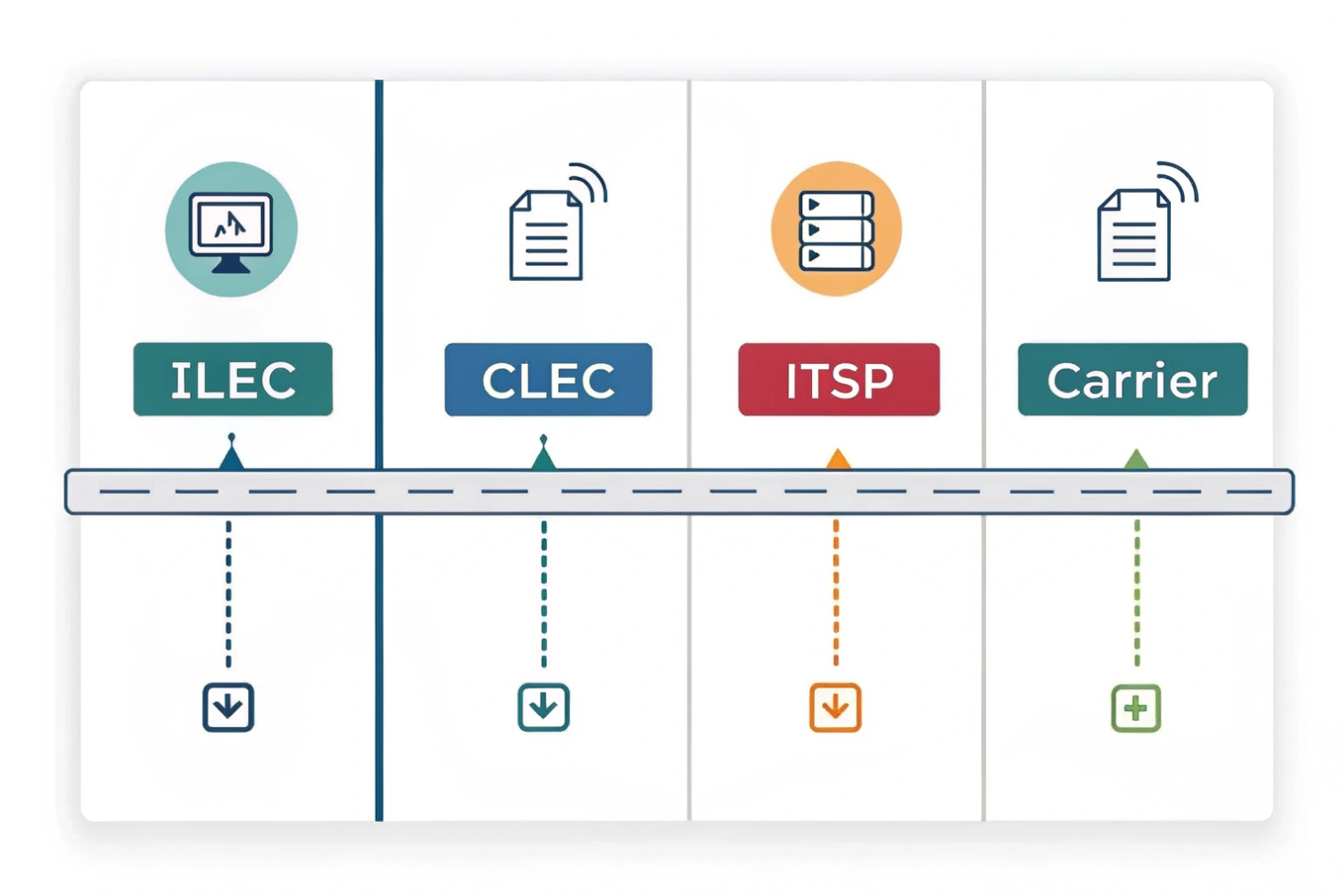
An ILEC is the incumbent local phone company for a geography. A CLEC is a competitor carrier. An ITSP sells VoIP services like SIP trunks. “Carrier” is a broad label that can mean any of these, depending on scope.
The simplest way to separate the roles
An ILEC is defined by being first in the local exchange area. That often means it owns a lot of last-mile copper or fiber, central offices, and rights-of-way. A competitive local exchange carrier (CLEC) 2 competes with the ILEC, sometimes using its own facilities, and sometimes leasing parts of the incumbent network.
{#ref-2}
An Internet telephony service provider (ITSP) 3 sits at the VoIP service layer. It delivers SIP trunks, DID management, and routing. In many cases, an ITSP partners with a CLEC, or it is a CLEC itself.
{#ref-3}
The word “carrier” causes confusion because it is not a single job. In one meeting, “carrier” means the ISP that provides internet. In another meeting, it means the CLEC that provides numbers. In another, it means the ILEC that owns the local loop. A safer habit is to ask one question: who owns the last-mile, who owns the phone numbers, and who owns the SIP service?
What changes in a VoIP deployment
In many deployments, the ITSP is your day-to-day voice vendor. Still, the ILEC may show up in:
- The access circuit you use to reach the ITSP
- Legacy POTS or PRI you are replacing or keeping for failover
- The “losing carrier” side of number porting
- The demarcation point and inside wiring rules
A practical comparison table
| Term | What it usually owns | What it usually sells to you | What it can block or slow |
|---|---|---|---|
| ILEC | Local loop, CO assets, legacy numbering presence | POTS, PRI, last-mile circuits, sometimes SIP | Cutovers, repairs, port validation, demarc disputes |
| CLEC | Number blocks in rate centers, interconnects | DIDs, porting, SIP services | Rate-center coverage, porting timelines |
| ITSP | SIP service layer, routing, portals/APIs | SIP trunks, call routing, analytics | SIP policies, caller ID rules, support response |
| Carrier (generic) | Varies | Varies | Confusion, unless scope is defined |
A short story placeholder
A site once bought “SIP trunks” and assumed the same vendor owned the last-mile. The circuit went down, the SIP vendor could not fix it, and the ILEC ticket rules caused a long outage. A simple scope map would have prevented the blame loop.
What ILEC services affect my project—POTS, PRI, number porting, E911, and last-mile?
VoIP plans look clean on a whiteboard. Then legacy lines, elevator phones, and 911 rules show up. The ILEC is often sitting under those edge cases.
ILEC services can affect your VoIP project through last-mile connectivity, legacy voice lines (POTS), PRIs, porting ownership and validation, E911 workflows, and the physical demarcation point at your building.
Last-mile access and survivability
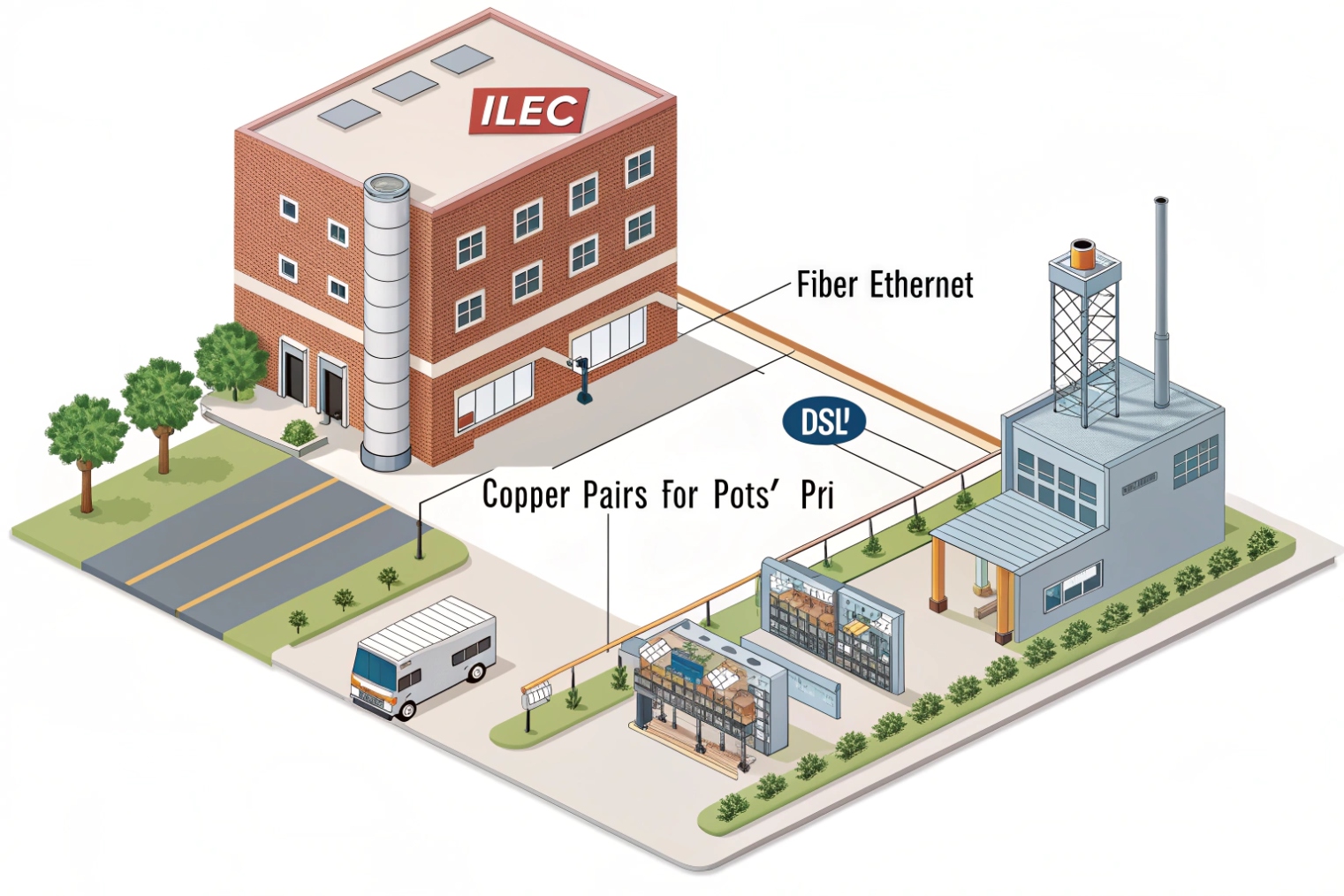
Even if the ITSP is separate, the ILEC may still provide your fiber, Ethernet, or DSL access. That access quality controls latency, jitter, and packet loss. Voice needs stable timing more than raw download speed. If a site depends on hosted PBX, the last-mile becomes the new “PBX hardware.” A single cut cable can stop all calling unless a second carrier path exists.
Some deployments keep a minimal ILEC voice path for survivability. This can be an analog line, a PRI, or an ILEC SIP trunk. The goal is not to run daily calling on it. The goal is to have a path when internet service fails.
POTS and PRI are still common in mixed designs
POTS lines still appear in:
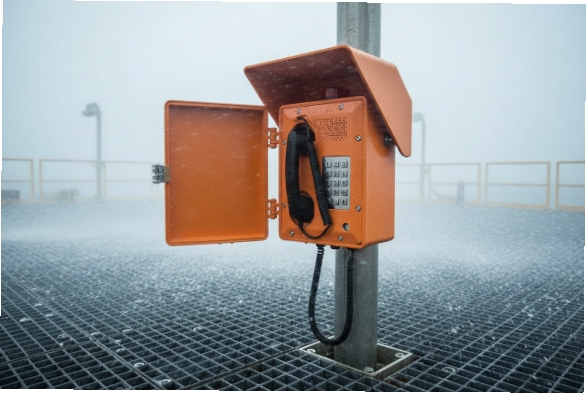
- Elevator emergency phones
- Alarm panels and entry systems
- Fax lines in some industries
- Failover voice for critical locations
PRI still appears in:
- Large legacy PBXs being phased out
- Sites with high inbound call density
- Environments that want a known, stable TDM path
VoIP can replace most of this, but the cutover must be planned. Some edge devices still behave better on analog, or they require specialized gateways.
Porting and E911 dependencies
If the ILEC is the losing carrier for numbers, it affects the timeline and validation rules. If the ILEC is the last-mile provider, it affects how fast repairs happen during outages. Emergency calling also intersects with ILEC infrastructure in many regions because 911 routing and local exchange rules are built around carrier interconnects.
Service impact table for planning
| ILEC-related service | Why it shows up in VoIP projects | What to verify early | Typical pitfall |
|---|---|---|---|
| Last-mile circuit | Hosted PBX and SIP need internet | SLA, repair window, diversity options | Single circuit with no backup |
| POTS | Legacy endpoints still exist | Which lines are truly required | Cutting analog lines too early |
| PRI | High-volume or legacy cutovers | Gateway plan, test plan, cutover date | PRI disconnect before port completes |
| Number porting | ILEC may be losing carrier | CSR accuracy, LOA details | Rejections due to mismatch data |
| E911 | Address and dispatch correctness | Location mapping per DID/device | Wrong dispatch address on emergency call |
A short story placeholder
A warehouse cut over to hosted VoIP and removed all analog lines. A week later, an elevator inspection failed because the emergency phone required a compliant path. The fix cost more than keeping one controlled line from day one.
How do I work with ILECs on LOAs, CSRs, FOC dates, and rejections?
Porting fails less from technology and more from paperwork. The ILEC process is strict because it is regulated and audited. Clean data wins.
Work with ILECs by collecting accurate CSR data, submitting LOAs that match the record exactly, tracking FOC dates like a change window, and responding to rejections with a disciplined “fix and resubmit” workflow.
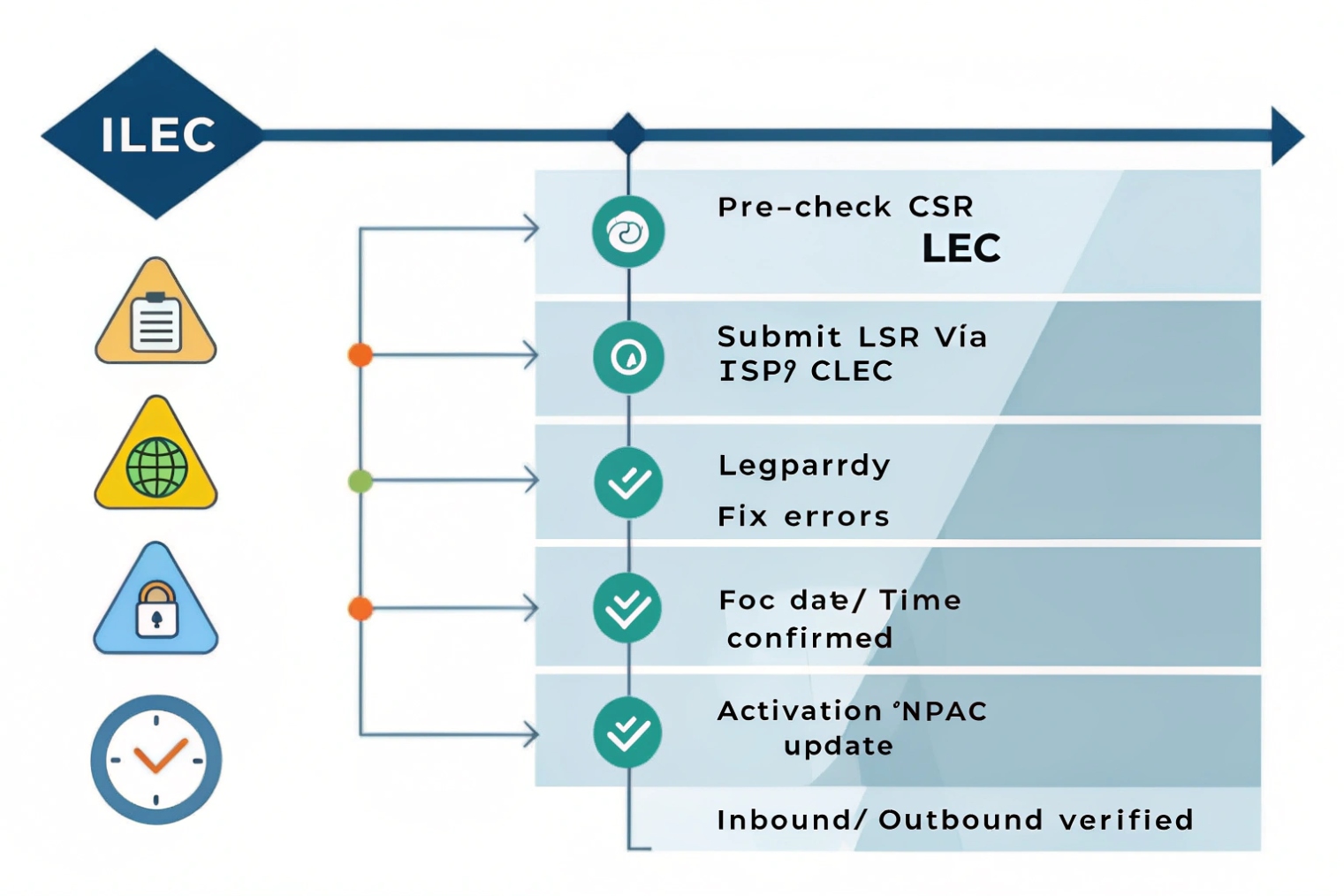
Use CSR data as the source of truth
A Customer Service Record (CSR) 4 is the authoritative record for what the losing carrier has on file. Many port rejections happen because a business uses a nickname, a new billing address, or a different suite number. The carrier compares the port request to the CSR, not to your website or your invoice summary.
{#ref-5}
A clean approach is to:
1) Request the CSR (or the equivalent data set)
2) Match business name, service address, account number, and PIN
3) Confirm the list of telephone numbers and any special features
4) Freeze changes on the losing account during the port window
LOA discipline reduces rejection cycles
A Letter of Authorization (LOA) 5 is the legal permission slip to move numbers. It must be consistent with the CSR. Small differences cause rejections. Even punctuation and spacing can matter in some carrier systems. A helpful habit is to copy CSR fields into the LOA template, then have one person validate all fields before submission.
{#ref-4}
Treat the FOC date as a production cutover
The Firm Order Commitment (FOC) date 6 is the committed cutover window. It should be treated like a change window:
- PBX routing and DID mapping ready before the window
- Call flows tested in staging
- Staff available during the cutover
- Roll-forward plan if partial ports occur
- Temporary forwarding plan if needed
{#ref-6}
A port cutover is also when emergency calling and caller ID rules must be correct. A port that completes with wrong routing is still an outage.
Common rejection reasons and responses
| Rejection type | What it usually means | Fast fix | Prevention habit |
|---|---|---|---|
| Name mismatch | Business name does not match CSR | Resubmit with exact CSR name | Always pull CSR first |
| Address mismatch | Service address differs | Use CSR service address | Do not use mailing address |
| Account/PIN mismatch | Wrong identifiers | Confirm with billing owner | Store port data securely |
| Unauthorized | LOA not valid or signer wrong | Correct signer/title | Use authorized account contacts |
| Feature conflict | TN tied to special service | Remove feature, then resubmit | Audit lines before port |
A short story placeholder
A port once bounced three times because the suite number was missing on the LOA. The PBX was ready. The trunks were ready. Only the paperwork was wrong. After that, CSR-first became a rule, not a suggestion.
What SLAs, tariffs, and demarcation rules should I expect from my ILEC?
Teams often expect “internet-style” support from an ILEC. Many ILEC services still follow tariff logic, demarc definitions, and formal repair classifications.
Expect ILEC terms to be shaped by tariffs and service guides, with clear demarcation rules at the NID/DMARC, specific installation and repair intervals, and SLAs that often differ by circuit type and whether service is best-effort or business-grade.
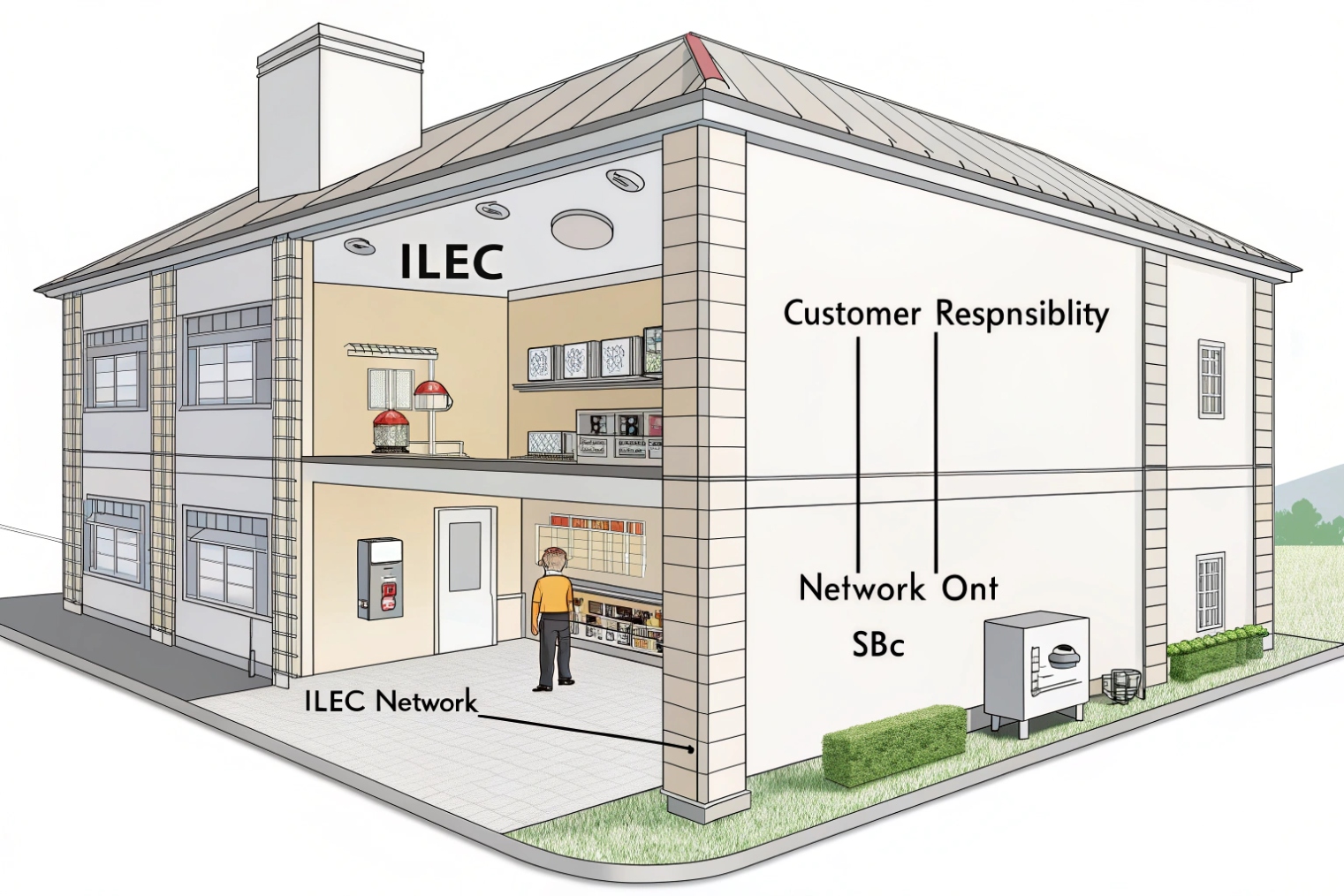
Demarcation: where the ILEC stops and you start
The demarcation point and Network Interface Device (NID) 7 is often the handoff boundary. Up to that point, the ILEC owns the responsibility. Past that point, inside wiring, switches, PoE, SBCs, and PBX gear are on your side unless you pay for managed services. Many VoIP disputes happen here. A circuit can be “up” at the demarc while phones fail due to LAN issues. The reverse also happens. Inside network works, but the circuit is down at the demarc.
{#ref-7}
A clean project plan includes:
- A documented demarc location per site
- Photos and labels for the handoff
- Loopback test procedures for circuit troubleshooting
- Clear ownership of inside wiring and patch panels
Tariffs and service guides shape expectations
Tariffs and service guides may define:
- What counts as an outage
- Repair windows and escalation rules
- Installation intervals and missed appointment handling
- Credit policies and limitations
- Rules for moves, adds, and changes
This does not mean the ILEC is slow by default. It means the process is formal. VoIP teams should align internal timelines with that reality.
SLAs: look for what is measurable
For circuits, the most useful SLA items are:
- Uptime target and measurement method
- Mean time to repair or restoration targets
- Response times for severity levels
- Maintenance windows and notice requirements
- Diversity commitments if you buy “diverse paths”
For voice services like POTS or PRI, SLAs may be less like modern cloud SLAs. They may be driven by repair classifications and local practices.
A checklist table for contract review
| Area | What to ask the ILEC | Why it matters in VoIP | What to document |
|---|---|---|---|
| Demarc | Exact DMARC/NID location | Fast troubleshooting | Site demarc map and photos |
| Repair | MTTR and escalation path | Hosted PBX depends on link | NOC contacts and ticket rules |
| Diversity | Is last-mile truly diverse | Real resilience | Route letters if available |
| Tariffs | Which services are tariffed | Limits and credit rules | Service guide references |
| Appointments | Install and dispatch windows | Cutover scheduling | Project calendar buffers |
A short story placeholder
A site had a “two-hour repair” expectation because that was written for a different service class. The actual circuit was best-effort. After that, every order review included the service class and the real repair terms.
Conclusion
An ILEC is the incumbent local phone company that still influences last-mile, porting, 911, and demarc rules. Clear scope, clean CSR data, and realistic SLAs keep VoIP cutovers smooth.
Footnotes
-
ILEC definition and context for who owns the local exchange and why porting and demarc rules follow. ↩ ↩
-
CLEC overview to understand how competitors interconnect with incumbents and why coverage and timelines vary. ↩ ↩
-
ITSP definition to clarify the VoIP service layer versus local-loop ownership and facilities-based responsibilities. ↩ ↩
-
CSR definition to see what carriers validate during porting and why tiny record mismatches cause delays. ↩ ↩
-
LOA details so your port request has valid authorization and avoids avoidable rejection cycles. ↩ ↩
-
FOC explanation to plan cutover windows, staffing, and rollback steps around the committed port date. ↩ ↩
-
Demarc/NID reference to clarify responsibility boundaries and speed troubleshooting during circuit and voice outages. ↩ ↩