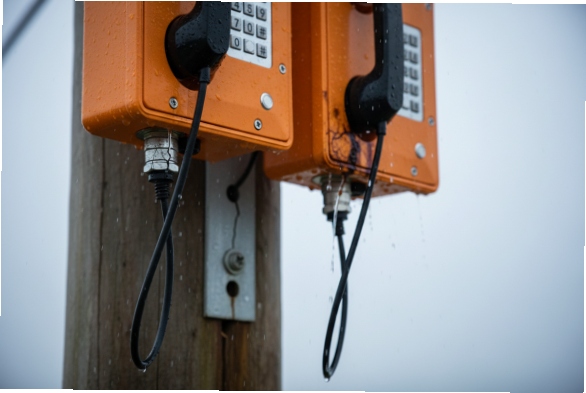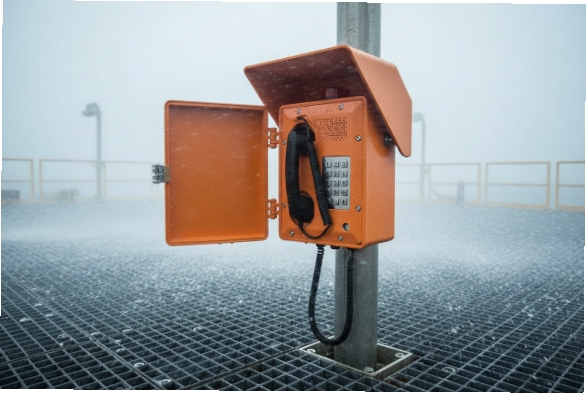

Phones, tablets, and consoles keep pulling our hands and eyes away from real work. In factories or while driving, that distraction is not just annoying, it is dangerous.
Hands-free communication lets people talk, listen, and control systems without holding the device, using speakerphones, headsets, or voice assistants, which improves safety, productivity, and accessibility in mobile and high-risk environments.
Hands-free is not just a Bluetooth gimmick. It combines acoustic design, radio links, VoIP, and voice recognition to keep communication flowing while your hands stay on tools, keyboards, steering wheels, or medical instruments. When we plan SIP phones, intercoms, or industrial endpoints, we always ask a simple question: can the user stay safe and effective without touching the device?
Do my speakerphones support true full duplex?
Conference phones often promise “crystal clear full duplex”, but users still complain that only one person can talk at a time, or that speech cuts out during overlap.
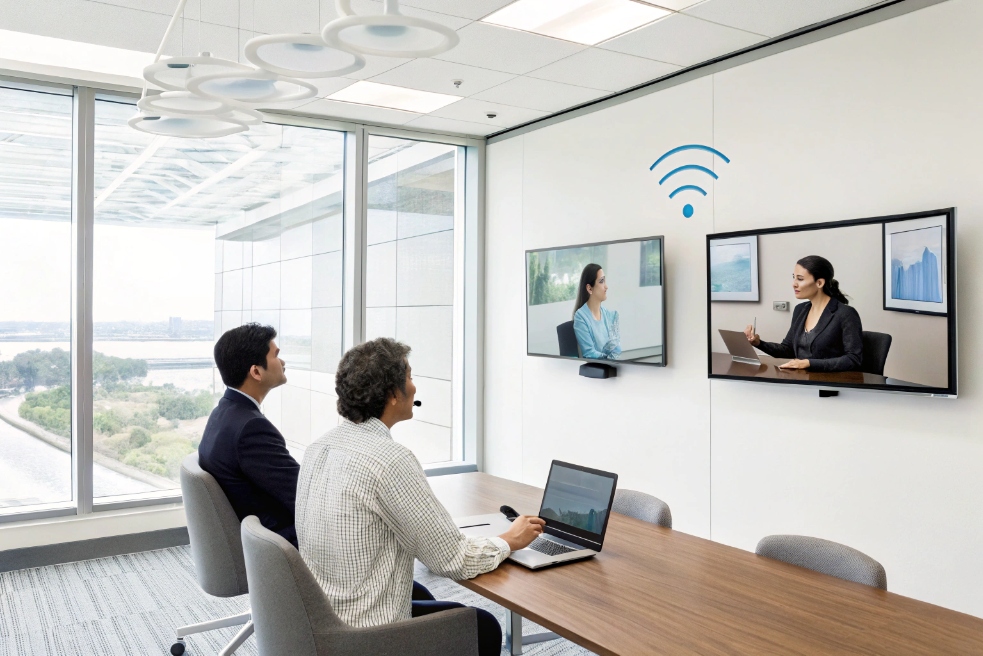
True full-duplex speakerphones let both sides talk at once without clipping, using good microphones, echo cancellers, and DSP instead of crude “walkie-talkie” style switching.
How to tell if a speakerphone is really full duplex
On paper, many devices claim full duplex. In practice, they behave closer to “acoustic half-duplex”, muting the microphone while the speaker is loud to avoid feedback. That is fine for short status calls, but terrible for natural discussion or intercom use.
A quick real-world test is simple:
- Put two people at opposite ends of the line.
- Both count out loud or speak a sentence at the same time.
- Listen for clipping, “pumping”, or long gaps where one side disappears.
If both voices stay intelligible, the device is doing true full-duplex processing with decent double-talk performance. If one side keeps getting cut, the echo canceller or voice-switch threshold is too aggressive.
Key building blocks inside a good full-duplex speakerphone:
- Beamforming microphone array to focus on talkers and reject room noise.
- Adaptive echo cancellation tuned for the speaker’s frequency response.
- Noise suppression that does not eat syllables.
- Automatic gain control (AGC) so quiet voices stay audible without boosting background noise too much.
From a SIP/VoIP side, the network must also behave:
- Low latency and jitter so echo cancellers have a stable path.
- Wideband codecs (like G.722 or Opus) for more natural room sound.
- Stable packet delivery to avoid “robotic” artifacts.
A simple comparison table:
| Mode / Design | Typical behaviour | Experience for users |
|---|---|---|
| Acoustic half-duplex | One side dominates, other gets cut | Feels like walkie-talkie, awkward overlaps |
| Poor “full duplex” claim | Works until people talk over each other | Drops words, agents talk past customers |
| True full duplex + good AEC | Both voices audible during overlaps | Natural flow, easy brainstorming |
When we specify conference or wall-mount speakerphones for meeting rooms or control rooms, we treat “proven double-talk behaviour” as a must-have, not a nice-to-have bullet point. Otherwise, users will quietly plug in headsets and avoid the device altogether.
Which headsets improve clarity in noisy spaces?
In open offices, plants, or warehouses, people shout into laptop mics and still sound far away. The caller hears forklifts, not the person they are trying to reach.
In noisy spaces, choose headsets with strong passive isolation, directional microphones, and active noise reduction tuned for voice, rather than simple “music” headphones with a token mic.

Picking the right headset for harsh environments
Not all “noise-canceling” labels mean the same thing. Music-focused ANC headphones are tuned to cancel steady low-frequency noise for your ears, not for the far-end listener. For VoIP and SIP intercom use in loud sites, we care more about mic-side clarity.
Important pieces to look for:
-
Boom microphone with cardioid or hyper-cardioid pattern
This focuses on the wearer’s mouth and rejects side noise. Inline or laptop mics pick up everything. -
ENC / DSP noise reduction on the mic path
Electronics that detect and reduce non-speech sounds like engines, fans, and crowd noise. -
Passive isolation
Over-ear cups or in-ear tips that physically block noise so users don’t shout just to hear themselves. -
Robust cabling or DECT wireless headset technology 4
Industrial or field staff need gear that survives bending, helmets, and gloves.
A quick mapping of common options:
| Headset type | Best for | Notes |
|---|---|---|
| Office stereo USB headset | Open offices, call centers | Good mic, moderate isolation |
| Industrial wired headset | Plants, mines, construction | High isolation, rugged, often helmet-ready |
| DECT wireless headset | Offices with roaming in one building | Stable link, low latency, less Wi-Fi impact |
| Bluetooth with boom mic | Mobile staff, warehouse with phones | Check codec support and range |
Codec choice also matters. Wideband codecs (G.722, Opus wideband) carry more of the voice’s natural frequencies, which helps intelligibility in noise. On our SIP endpoints, we encourage partners to enable wideband by default on internal calls.
Finally, think about wearer comfort. If the headset hurts after 30 minutes, agents will push it off one ear or let it hang around the neck, which instantly kills the acoustic benefits. Soft padding, adjustable bands, and light weight are not luxury features; they are what keep the device on the head during a full shift.
How do I enable voice controls safely?
Turning on “always listening” sounds futuristic: agents, guards, or drivers can say “Call security” or “Open gate one” without touching a button. It also opens new risk doors if done carelessly.
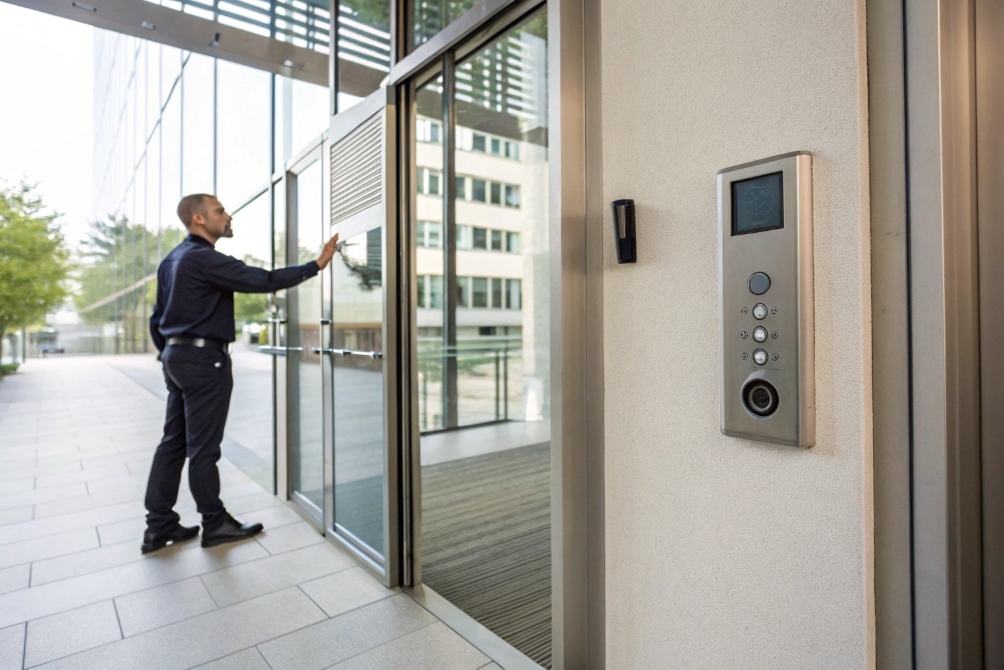
Enable voice controls only for well-defined, low-risk actions, protect wake-word and recognition paths, and always keep a physical fallback for critical operations like doors, alarms, and emergency calls.
Balancing convenience, security, and privacy
In many deployments, hands-free control means combining:
- A microphone path from your SIP phone, intercom, or mobile.
- An ASR engine (on-device or cloud) that turns speech into text.
- A command layer that maps phrases to actions in the PBX or control system.
The risks are clear:
- Accidental triggers (“Hey…” wakes the system from background talk or media).
- Voice spoofing (recorded voices or someone shouting commands from the hallway).
- Over-privileged commands (unlocking doors or changing routing without checks).
- Privacy issues if always-listening audio leaves the local network.
Safe patterns that work well in practice:
-
Use two-step commands for sensitive actions:
“Open gate one” → system responds “Confirm gate one?” → user replies “Yes”. -
Combine voice with proximity or badge checks:
The device only accepts certain commands when a valid card is present or a trusted device is paired. -
Keep always-listening limited to wake-word detection on-device; send full audio to cloud engines only after activation, or use local ASR where possible.
-
Restrict voice control to:
- Placing internal calls.
- Paging predefined zones.
- Starting / stopping recordings on non-critical endpoints.
- Simple status queries (“What is the next meeting?”).
A quick matrix:
| Action type | Voice-only OK? | Recommended control model |
|---|---|---|
| Dial internal extension | Yes | Voice or button |
| Start conference call | Yes, with confirm | Voice + on-screen prompt |
| Open secure door / gate | No, or voice + badge | Physical or multi-factor only |
| Trigger emergency call | Yes, but guarded | Clear phrase, local confirmation tones |
| Change PBX admin settings | No | Admin UI with strong auth |
When we help design SIP intercom or emergency phone projects, we usually allow voice control for initiating communication (calling, paging) but not for authorizing physical actions, unless there is a strong second factor. That keeps the convenience of hands-free while avoiding the worst failure modes.
Does echo cancellation affect hands-free quality?
Most users never think about echo cancellation. They just know some devices make them sound far away, or cause awkward gaps when both sides speak.
Echo cancellation is central to hands-free quality: good AEC removes loudspeaker echo while still letting both sides talk freely, but bad tuning can clip words, add pumping, or break full-duplex behaviour.

What echo cancellation actually does to your audio
In hands-free mode, the speaker and microphone share the same air. The far-end voice comes out of the speaker, bounces around the room, and re-enters the mic. If we do nothing, the other side hears themselves with a delay, which is very distracting.
An acoustic echo canceller (AEC):
- Listens to the outgoing signal fed to the speaker.
- Models how that sound will bounce back into the mic.
- Subtracts that model from the captured audio.
- Updates its model dynamically as the room or volume changes.
Good AEC must survive:
- Volume changes and different speaker devices.
- People moving around the room.
- Network delay and jitter that slightly change timing.
- Double-talk, when both sides speak at once.
If the AEC cannot handle double-talk, it often falls back to crude strategies:
- Aggressively lowering mic gain while the speaker is active.
- Using voice-switching logic that picks one direction at a time.
This creates the familiar “You go ahead—no, you go ahead” dance where one side keeps getting stepped on.
Comparison:
| AEC quality | Behaviour in double-talk | Listener perception |
|---|---|---|
| Poor or disabled | Strong echo, “hollow” sound | Fatiguing, confusing |
| Over-aggressive | Cuts local voice when far end speaks | Users feel muted mid-sentence |
| Well-tuned | Both voices clear, no echo feedback | Natural, similar to talking in same room |
Practical tips for better AEC results
You cannot see echo cancellation, but you can shape the environment:
- Place speakerphones away from hard reflective surfaces when possible.
- Avoid pointing mics directly at loud industrial machines.
- Use consistent volume levels; extreme settings stress the AEC.
- Prefer devices and SIP endpoints that support wideband audio, such as the Opus interactive audio codec (RFC 6716) 7; more bandwidth gives algorithms more “room” to work.
On the network side:
- Keep latency and jitter low, so the AEC’s internal timing stays accurate.
- Ensure your VoIP path is not transcoding through too many codecs; transcoding can distort timing and frequency content.
From our side, when we design SIP intercoms and industrial speakerphones, we test for:
- Stable behaviour in reverberant stairwells and corridors.
- Double-talk performance with people close and far from the mic.
- Consistent results across different codecs and PBX vendors.
Hands-free quality is not magic. It is the result of echo cancellation and duplex algorithms working together with the physical casing, mic placement, and your network conditions. When those are aligned, users forget about the technology and just talk.
Conclusion
Hands-free communication only feels “natural” when full-duplex audio, good headsets, safe voice controls, and solid echo cancellation all work together with your SIP and VoIP infrastructure.
Footnotes
-
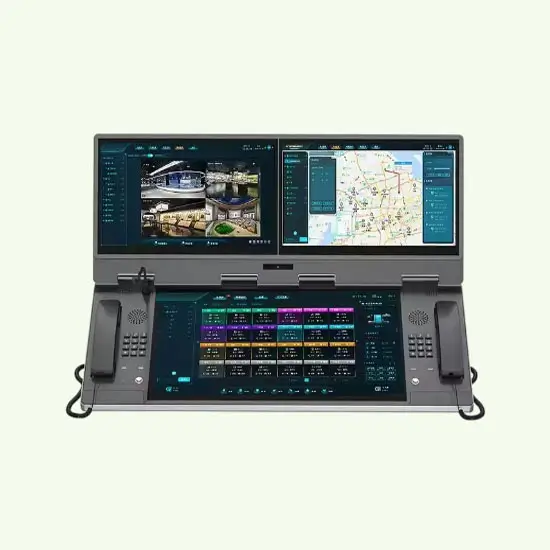
Reference image showing hands-free dispatch workflows using SIP phones and headsets. ↩ ↩
-
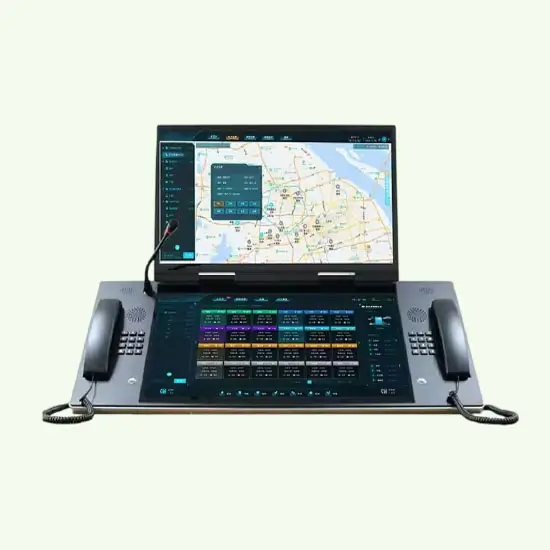
Visual example of meeting-room hands-free calling where duplex quality matters. ↩ ↩
-
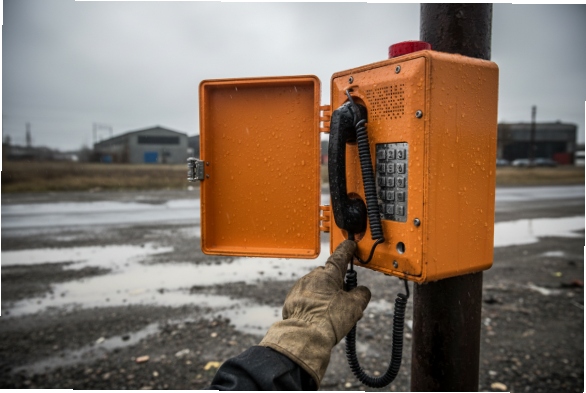
Industrial headset scene illustrating noise challenges and mic-side clarity needs. ↩ ↩
-
Explains DECT wireless basics for stable, low-latency headset roaming in offices. ↩ ↩
-
Example of hands-free access-control intercom scenarios needing safe voice controls. ↩ ↩
-
Headset call visual supporting discussion of echo cancellation and double-talk behavior. ↩ ↩
-
Technical reference for Opus capabilities and wideband behavior relevant to VoIP intelligibility. ↩ ↩