
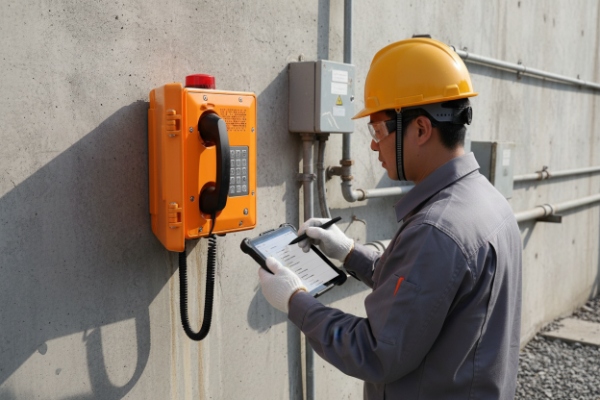
Weatherproof telephones are designed to withstand tough environments, but to ensure their long-term reliability, regular maintenance is essential. Proper care helps preserve their functionality and protective features, extending their lifespan and minimizing the risk of failure.
Long-term maintenance for weatherproof telephones is essential for preserving their seals, coatings, and overall performance in harsh conditions.
Routine checks and preventive measures can prevent common issues such as seal deterioration, corrosion, or water ingress, ensuring the telephone remains operational when needed most. Here’s a breakdown of key maintenance tasks for weatherproof telephones.
How Often Should Gaskets and Cable Glands Be Inspected?
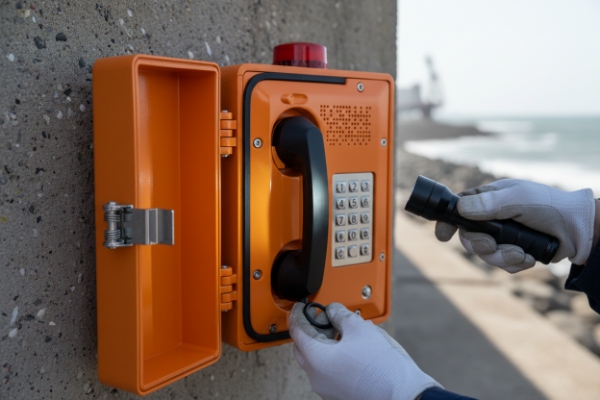
Gaskets and cable glands are critical components for maintaining the weatherproof nature of the telephone. They prevent water, dust, and other contaminants from entering the enclosure, so regular inspections are essential.
Gaskets and cable glands should be inspected at least once a year, or more frequently if the telephone is exposed to harsh conditions.
Gaskets
- Inspection Frequency: Inspect gaskets for signs of wear, cracking, or hardening. This is especially important for elastomer seals on doors, handsets, and entry points.
- Replacement: If gaskets show signs of deterioration 1, such as flattening, cracking, or loss of elasticity, replace them immediately to maintain effective sealing and ingress protection (IP) 2.
Cable Glands
- Inspection Frequency: Check cable glands at regular intervals (every 6-12 months) to ensure they are tightly secured. Vibrations, thermal cycling 3, and environmental factors can cause them to loosen over time.
- Re-Torqueing: Re-tighten any loose glands to prevent leaks and maintain the integrity of the cable seals.
What Torque Checks Prevent Loosening and Leaks?
To prevent loosening of components and potential water ingress, torque checks are vital. Over time, the thermal expansion and contraction of materials, as well as vibrations from the environment, can loosen bolts and fasteners.
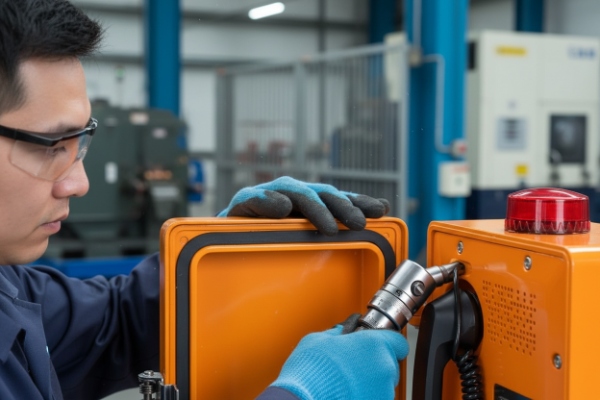
Regular torque checks on fasteners and glands prevent loosening, which can lead to leaks and failures in the enclosure.
Torque Specifications
- Fasteners and Hinges: Ensure all external fasteners, hinges, and closures are torqued to the manufacturer’s specifications. This prevents loosening due to vibrations or environmental stress. Proper fastener torque 4 is critical for maintaining seal compression.
- Cable Glands and Entry Plugs: Inspect and re-torque cable glands and unused entry plugs to ensure they remain secure. This is especially critical for installations in environments with temperature fluctuations or frequent cleaning.
Should Salt Deposits Be Rinsed on Coastal Sites?
Salt deposits from the ocean can corrode the protective coatings and hardware of weatherproof telephones, especially in coastal environments. Regular cleaning is necessary to prevent this.
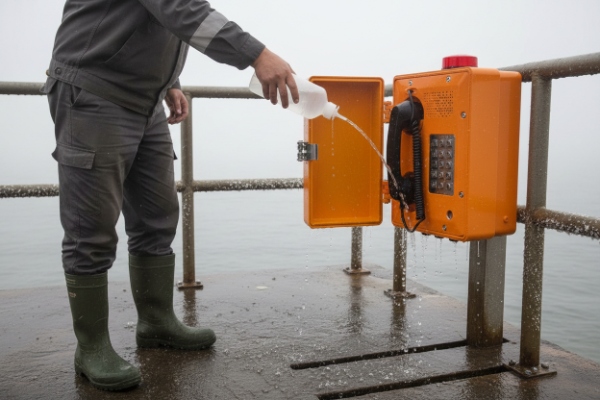
Yes, salt deposits should be rinsed regularly with fresh water, especially in coastal areas, to prevent coating deterioration and hardware corrosion.
Cleaning Recommendations
- Rinsing Frequency: In coastal areas, rinse the enclosure with fresh water every few months, or more frequently if exposed to heavy salt exposure. Salt accumulation accelerates corrosion 5.
- Cleaning Solution: Use mild detergent or water-based cleaners to remove salt, dust, and other residues. Avoid harsh chemicals that could damage the enclosure’s coating.
Are Firmware, Spares, and Service Intervals Specified?
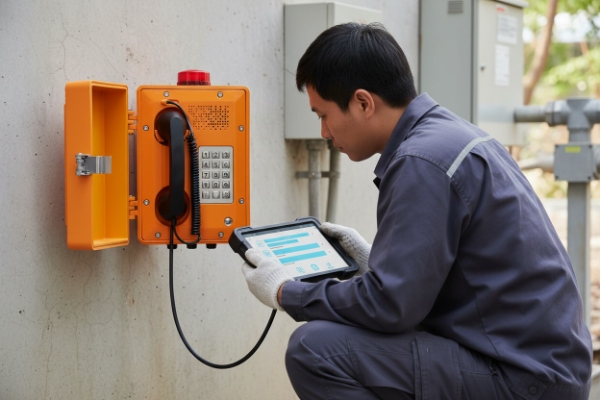
Long-term maintenance also includes regular checks of the telephone’s firmware, availability of spare parts, and adhering to manufacturer-recommended service intervals.
Yes, firmware updates, spare parts availability, and service intervals should be specified to ensure the telephone remains functional and up-to-date.
Firmware Updates
- Update Schedule: Periodically check for firmware updates 6 from the manufacturer to ensure the telephone remains compatible with the latest features, security patches, and improvements.
- Performance Checks: Regularly test the functionality of the telephone’s features, such as audio clarity, signaling, and keypad operation, to detect any potential issues early.
Spares and Service Intervals
- Spare Parts Availability: Ensure that spare parts, such as gaskets, handsets, or cable glands, are readily available to minimize downtime 7 in case of failure.
- Service Intervals: Follow the manufacturer’s recommended service intervals to maintain optimal performance. This may include periodic testing of internal components, such as the keypad, hookswitch, and audio circuits, to detect early signs of wear or damage.
What Other Maintenance Tasks Should Be Performed?
In addition to regular inspections and functional tests, there are a few other maintenance tasks that can help ensure the longevity and reliability of a weatherproof telephone.
Other critical maintenance tasks include protecting the coating, inspecting internal components, and verifying IP rating compliance.
Corrosion Protection
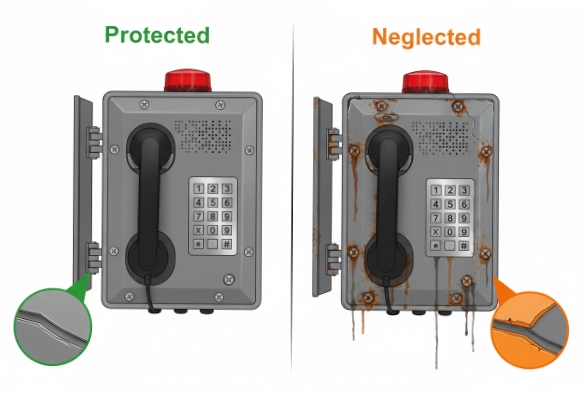
- Touch-Up Paint: If the powder coating or paint becomes chipped or abraded, touch up the affected areas to prevent corrosion from starting at edges and fasteners.
- Fastener Inspection: Check fasteners and hinges for signs of corrosion or loosening. Replace any damaged parts with stainless steel 8 or coated equivalents.
Environmental Adaptations
- Environmental Considerations: For telephones installed in extreme environments, such as those exposed to freezing temperatures, saltwater, or UV radiation, periodically review and upgrade materials or protection measures as needed.
- Heaters and Vents: If the weatherproof telephone is equipped with heaters, vents, or drain/breather devices 9, test them periodically to ensure they function correctly and prevent condensation or temperature extremes from affecting the enclosure. Preventative maintenance (see PM guide 10) is key to avoiding failures.
Conclusion
Regular and proactive maintenance ensures that weatherproof telephones continue to operate reliably in harsh environments. By inspecting seals, cleaning coatings, re-torquing components, and updating firmware, you can extend the lifespan of the telephone and safeguard its performance.
Footnotes
-
Explains why rubber materials degrade over time due to environmental factors like ozone and UV. ↩
-
Official IEC guide on IP ratings, defining protection levels against solids and liquids. ↩
-
Describes thermal cycling and its impact on material expansion, contraction, and fastener loosening. ↩
-
Discusses the importance of correct torque tightening to prevent joint failure. ↩
-
Overview of corrosion protection methods and the effects of salt environments. ↩
-
Definition of firmware and its role in hardware operation and security. ↩
-
Explains the concept of downtime and its operational and financial impacts. ↩
-
Guide to stainless steel grades and their suitability for corrosive environments. ↩
-
Explains the function of protective vents in equalizing pressure and preventing condensation. ↩
-
A comprehensive guide to preventive maintenance strategies and benefits. ↩








