
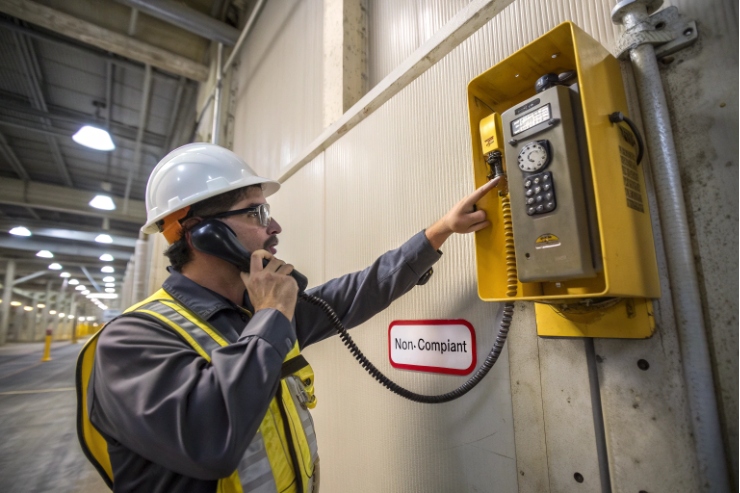
A certified Ex telephone can still become a site risk if the cable entry is wrong. One cheap gland, one bad adaptor, and the flamepath and sealing plan are no longer real.
Yes. In hazardous areas, the cable gland (or conduit fitting) is part of the explosion protection system. The gland must be suitable for the protection concept (Ex d/Ex e), the cable type, and the installation code used on your site.
Cable entry is part of the Ex protection system?
Explosion-proof telephones do not “end” at the enclosure wall. The cable entry is where the enclosure meets the outside world. In Ex d flameproof designs, the entry must not become a path for flame transmission (see IEC 60079-1 flameproof enclosure “d” requirements 1). In Ex e increased-safety designs, the entry must keep mechanical strength, insulation integrity, and IP rating without creating hot spots or loose terminations. For North America, the same thinking applies in different language: the fitting and sealing method must prevent ignition propagation and stop gas migration through raceways.
A solid project spec treats the telephone + gland + adaptor + stopping plug as one certified assembly in the field. This prevents the common failure pattern: the phone is ATEX/IECEx certified, but the installer fits a non-Ex industrial gland because it “fits the hole.” The phone still powers up, but compliance and long-term sealing are gone.
What the gland must do at the same time
- Maintain the required ingress protection (IP66/IP67 if your phone needs it, per IEC IP rating guidance 2)
- Provide cable retention and strain control so terminals are not pulled or twisted
- Maintain earth continuity (especially for armoured cables and metal enclosures)
- Match the hazardous area concept (Ex d vs Ex e vs Ex t)
- Match the gas group and temperature conditions of the installation
A procurement view that saves arguments later
| Item in your scope | What to lock down | Why it matters |
|---|---|---|
| Entry thread | M20/M25 or 1/2" NPT, plus engagement rules | Wrong thread ruins flamepath integrity |
| Cable type | Armoured / non-armoured, cable OD, bedding type | Determines if barrier sealing is needed |
| Protection concept | Ex db/Ex d vs Ex eb/Ex e | Sets gland marking requirement |
| IP target | IP66, IP67, or both | Gland must not downgrade the phone |
| Evidence | IECEx/ATEX certificate + instructions + test report | Ensures the field build matches the tested build |
If the tender defines these items clearly, the site team has fewer choices to “improvise.” That is the real goal.
The next step is deciding when a barrier gland is mandatory. This is where IEC rules and NEC rules differ in terminology, but the risk is the same: flame or gas migration through the cable path.
When are Ex d/Ex e barrier glands mandatory under IEC 60079-14 and NEC 501?
Cold truth: “Ex gland” is not one type. In Ex d installations, the key question is whether a standard compression gland is enough, or a barrier system is needed to stop flame or gas travel through the cable.
Under IEC 60079-14 for Ex d, a barrier gland is one accepted method for the cable entry system. A non-barrier Ex d gland may be acceptable only when the cable type meets the standard’s cable construction requirements and the connected cable length criteria is satisfied. Under NEC 501, the concept is handled through listed explosionproof fittings and required seals (seal-offs), not by copying IEC barrier gland rules.
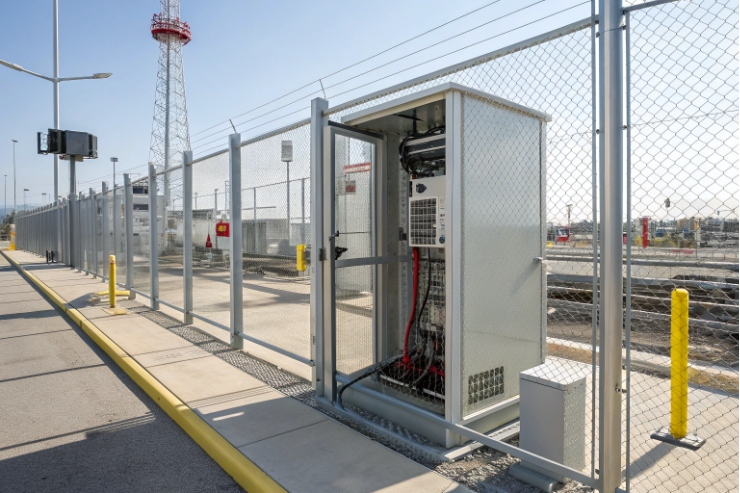
IEC 60079-14 reality for Ex d
For Ex d, the allowed cable entry system options come from the IEC 60079-14 installation requirements for explosive atmospheres 3. One option is barrier glands. Another option relies on a specific cable construction and minimum cable length concept to reduce the effects of gas migration and flame transmission risk. This is why many duty holders still prefer barrier glands in Zone 1 work. It reduces judgement calls about cable “compactness” and filler type.
Barrier glands become the clean choice when:
- multicore and softer cables are used
- cables are short between junction point and equipment
- the cable construction is not easy to prove against the required criteria
- gas migration risk is high (process leaks, frequent pressure changes)
For Ex e, a barrier gland is usually not “mandatory by default,” but it may be selected when gas migration down a cable is a known risk, or when the equipment instructions require it.
NEC 501 / Class I Division approach
NEC does not use the same “Ex d barrier gland flow” logic. The NEC approach is focused on:
- wiring method permitted for the location
- listed fittings and enclosures
- sealing fittings (seal-offs) at required points to limit passage of gases and to contain explosions in the raceway system (see NEC 501.15 conduit sealing requirements summary 4)
So on a C1D1 project, the phone may be fed by conduit with a seal-off placed close to the enclosure. You pour a listed sealing compound—often used with EYS/EYD fittings—such as Chico SpeedSeal sealing compound 5. If cable is used, the connector or gland must be listed for the location and installed per its listing and the enclosure marking. The decision is not “barrier gland vs non-barrier gland.” The decision is “listed method + required seals + correct fitting.”
How to spec it without mixing code systems
| Site code basis | What to ask for | What to avoid |
|---|---|---|
| IECEx / ATEX (IEC 60079) | Ex certified cable entry system per IEC 60079-14, with stated option used | “Barrier always required” without cable facts |
| NEC Class/Div | Listed fitting + sealing method per NEC 501, installed at required distances | Copying IEC 3 m logic into NEC text |
| Mixed global sites | Two compliant bills of material (IECEx kit + NEC kit) | One “universal” kit with gaps |
This is the point to explain to clients: barrier glands are one proven way to reduce cable construction uncertainty in Ex d installations. NEC projects use a different compliance path, but the goal is the same: stop propagation and stop migration.
Next comes selection details for Zone 1 and C1D1: armour, threads, and sealing compounds.
How to choose armored vs non-armored glands, thread type, and sealing compound for C1D1/Zone 1?
Most field failures come from mismatch: wrong gland for the cable, wrong thread form, or wrong sealing method around individual cores.
Choose armoured glands when the cable has armour and you need mechanical protection and earth continuity. Choose non-armoured glands with correct OD clamping and (if required) a barrier system for multicore or non-compact cables. Thread type must match the enclosure (metric or NPT) and meet the flameproof thread engagement rules.
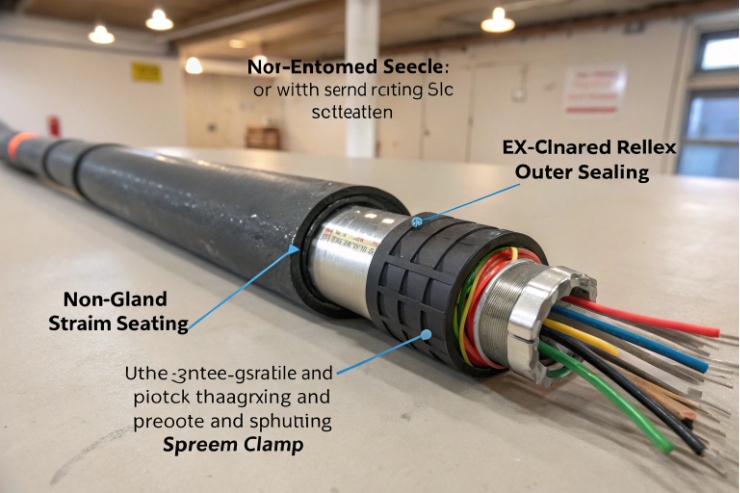
Armoured vs non-armoured: decide by cable construction and grounding plan
- Armoured cable (SWA/STA or similar): use an armoured Ex gland with armour clamping and a defined earth path. This protects against pull, impact, and long-term vibration.
- Non-armoured cable: use a gland with strong jacket clamping, correct inner seal, and clear strain relief inside the enclosure. If Ex d and cable suitability is not proven, use a barrier gland or an indirect entry method.
A practical rule used in many tenders: if the cable will be exposed, choose armoured. If the cable is in conduit or protected tray, non-armoured can work, but sealing and strain relief still must be controlled.
Thread type: match, then protect the flamepath
- Metric threads (M20/M25) are common in IECEx/ATEX equipment.
- NPT is common in NEC/CEC equipment and many North American sites.
- Adaptors are acceptable only when they are certified for the protection method and do not reduce thread engagement.
Thread engagement and joint design are not cosmetic. In Ex d, the threaded joint is part of the flamepath system. Do not allow “it feels tight” as a criterion.
Sealing compound: when it belongs in the spec
Barrier glands use a setting compound (resin/putty) to seal around individual cores. This is not optional workmanship. It is a defined installation step that must match the gland instructions and curing requirements.
Barrier sealing is typically selected when:
- cable fillers are unknown or hygroscopic
- cable is not substantially compact
- short cable runs connect into Ex d equipment
- multiple ignition scenarios are considered in risk assessment
A selection table that fits Zone 1 and C1D1 procurement
| Decision point | Zone 1 / IECEx practice | C1D1 / NEC practice |
|---|---|---|
| Armoured cable | Ex gland with armour clamp + bonding method | Listed fitting for the cable type + grounding continuity |
| Non-armoured cable | Ex gland with correct OD range; barrier/indirect entry if needed | Listed cable connector or raceway + seals as required |
| Thread type | Match equipment entry thread; certified adaptor only | Match listed hub thread; do not mix thread forms |
| Core sealing | Barrier compound when required by method/cable | Seal-off fittings and listed connectors per code |
| Strain relief | Clamp close to gland to stop twisting/pull | Same goal, per listing and installation rules |
When this section is clear in the tender, vendor quotes become comparable, and site changes become controlled changes instead of random substitutions.
Next is the certificate matching question. This is where many projects fail audits: the gland is “Ex,” but not the right “Ex” for the phone marking, gas group, or temperature.
Must cable gland certificates match the phone’s ATEX/IECEx marking, temperature range, and IP66/67 rating?
This is one of the easiest ways to lose compliance without noticing. A gland can be certified, but not certified for your exact use.
Yes. The cable gland must be suitable for the telephone’s protection concept (Ex d vs Ex e), gas group, EPL/Zone suitability, ambient temperature range, and any “special conditions” stated on the phone certificate. The gland and blanking elements must also maintain the required IP rating of the installation.
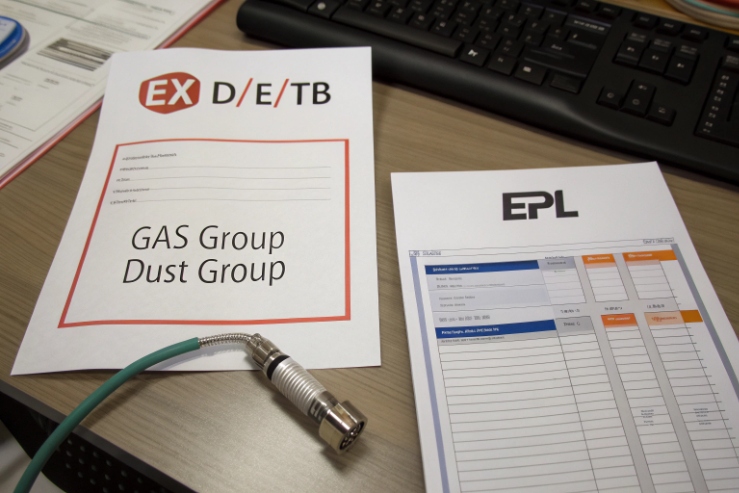
Match the protection concept first
- If the telephone is Ex db / Ex d, the entry device must be appropriate for Ex d flameproof entry.
- If the telephone is Ex eb / Ex e, the entry device must be suitable for Ex e and the cable must be terminated to maintain creepage/clearance and mechanical retention.
- Many products use combined marking (for example Ex db eb). In that case the entry method must be compatible with the actual entry compartment used.
Do not accept “IECEx certified” as a blanket statement. Use the IECEx Online Certificate System (OCS) overview 6 to confirm the equipment and component listing.
Temperature range and T-rating alignment
The gland has its own allowed ambient temperature range and material temperature endurance. If your telephone is rated for -40 to +70°C, the gland must also be rated for that range, or the overall assembly is limited by the weakest component.
Also check the enclosure certificate suffix “X” or special conditions. Many Ex products include conditions that control which glands, adaptors, or sealing methods are permitted.
IP66/IP67: the gland must not downgrade the assembly
Even in hazardous areas, weather still attacks. If the phone is IP66/IP67, your entry system must keep it there:
- correct sealing washer for the thread type (parallel vs tapered)
- correct cable OD clamping range
- correct blanking plug type for unused entries
- correct torque and surface finish on sealing lands
A certificate match checklist used in tenders
| Certificate item | Must match | What to record in your submittal |
|---|---|---|
| Ex marking | Protection concept + gas group | Phone marking + gland marking side by side |
| Zone/EPL | Zone 1/2 suitability | IECEx/ATEX certificate pages |
| Ambient temp | -40…+70°C (or project range) | Gland temperature range on certificate/instructions |
| IP rating | IP66/IP67 required by site | Gland IP rating as installed (with washer/sealant) |
| Conditions of use | Any “X” conditions | Installation note and approved gland list |
| Cable type | Armoured/non-armoured, OD | Cable datasheet + gland clamp range |
If ATEX is in scope, align documentation to the legal basis of the ATEX Directive 2014/34/EU official text 7.
This section is also where warranty disputes are prevented. If the certificates do not align, long-term corrosion and leak issues will show up, and nobody will own the gap.
Now the last piece: installation practice. Even the right gland can fail if the installer damages threads, stacks adaptors, or breaks earth continuity.
What installation practices—earthing continuity, reducer/adaptor use, stopping plugs—ensure compliance and maintain flamepath integrity?
Bad installation is the most common reason Ex audits fail. It is also the reason IP ratings collapse after one winter.
Compliance depends on controlled installation: keep earth continuity, use only certified reducers/adaptors, seal unused entries with certified stopping plugs, and never modify an Ex d enclosure by drilling new holes or damaging threads.
Earthing and bonding continuity
For metal enclosures and armoured cables:
- armour termination must provide a reliable earth path
- locknuts and paint should not block bonding where bonding is required
- any isolation washers used for galvanic control must be designed so earthing is still correct
For non-armoured cables, ensure the equipment earth conductor is continuous and not dependent on a gland that may loosen over time.
Reducers and adaptors: use fewer parts, not more parts
Adaptors and reducers are common, but stacking them creates risk:
- reduced thread engagement
- more leak paths
- more places to loosen under vibration
- more corrosion interfaces offshore
A clean rule:
- one certified adaptor is acceptable when necessary
- multiple stacked adaptors should be avoided unless specifically permitted by the equipment documentation and the certified parts
Stopping plugs and unused entries
Unused entries must be sealed with proper blanking elements that maintain the needed IP rating and are removable only with tools. This stops both water ingress and hazardous atmosphere migration into unused openings.
Strain relief and cable clamps
A cable gland seals. It should not carry all mechanical load. Add a cable clamp close to the gland so pulling or twisting does not transmit force to terminals inside the phone.
Field quality checks that should be in the method statement
| Installation step | What to check | Why it protects Ex and IP |
|---|---|---|
| Thread engagement | Correct thread form and minimum engagement | Protects flamepath integrity |
| Torque | Tighten to gland maker value | Prevents loosening and leaks |
| Washer/sealant | Correct for parallel/tapered threads | Maintains IP and corrosion control |
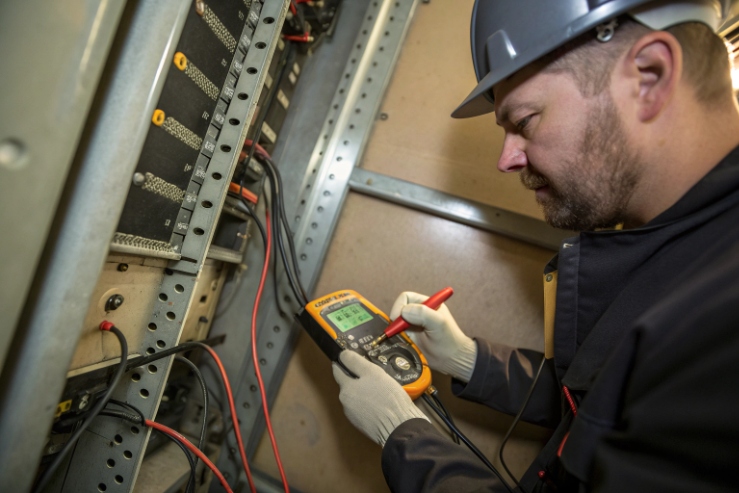
| Earth continuity | Measure bonding path | Prevents unsafe floating metalwork |
| Unused holes | Certified stopping plug installed | Removes leak and migration paths |
| No modification | No drilling, no thread damage | Keeps certified enclosure intact |
The simplest way to explain this to a client is: Ex compliance is a chain. The weakest link is usually the entry hardware or the field workmanship. A controlled installation method statement keeps the chain intact.
Conclusion
Yes, explosion-proof telephones need suitable Ex/listed cable entry hardware. Match the gland to the protection concept, cable construction, and certificates, then install it with controlled thread, sealing, and earthing practices.
Footnotes
-
Defines Ex d “flameproof enclosure” construction/testing concepts that drive safe entry and flamepath expectations. ↩︎ ↩
-
Quick reference for IP rating meanings so glands and plugs don’t downgrade enclosure ingress protection. ↩︎ ↩
-
IEC 60079-14 installation rules for selecting and installing Ex equipment in explosive atmospheres. ↩︎ ↩
-
NEC 501.15 summary showing where Class I sealing fittings must be installed near enclosures. ↩︎ ↩
-
Shows how listed sealing compound forms an explosionproof seal in EYS/EYD fittings to restrict gas/vapor migration. ↩︎ ↩
-
Explains IECEx OCS listings so you can verify whether a gland or phone is truly IECEx certified. ↩︎ ↩
-
Official ATEX Directive text used to align compliance documentation and “special conditions” obligations. ↩︎ ↩








