

A cheap Ex phone can turn expensive fast. One wrong spec can cause rework, failed inspections, and repeat site visits in hazardous areas 1.
The unit price comes from four layers: certified enclosure + sealing, electronics + power features, OEM/ODM customization work, and tender extras like testing, freight, and warranty. The best quote is the one that includes the full life-cycle cost.

The real cost structure behind an Ex telephone
Cost is not only the BOM
An explosion-proof telephone is priced like a system, not like a simple handset. The bill of materials matters, but certification scope, factory process control, and how the product is installed often matter more. In many tenders, two devices can look similar on paper, but one includes the hard parts (tests, traceability, and stable supply), and the other leaves them for the customer to discover later.
Think in layers: compliance, mechanics, electronics, and services
A reliable way to estimate cost is to split it into four buckets and then ask what moves each bucket up or down. This approach also helps when you need to explain pricing to procurement.
| Cost bucket | What it includes | What usually increases cost | What often saves cost |
|---|---|---|---|
| Compliance + certification | ATEX/IECEx scope, quality system control, documentation traceability | Higher zone level, more options on certificate, extra reports | Standardized certified variants, stable design |
| Mechanics + sealing | Housing material, machining/casting, fasteners, gaskets, IP/IK features | 316L, thick walls, IK10 keypad zone, more glands | Standard housings, fewer entry points, proven sealing |
| Electronics + functions | SIP mainboard, PoE, DSP, audio parts, heaters, I/O | Higher PoE, heaters, relay I/O, noise-cancel audio | Reuse of a mature platform, fewer add-ons |
| Tender + delivery + support | Lab tests, packing, shipping, tariffs, warranty, after-sales | Rush lead time, special packing, on-site support | Forecast orders, clear acceptance plan, remote support |
Many buyers focus on the lowest unit price. The better view is risk transfer. If the supplier absorbs the risk with proven designs, test evidence, and clear manuals, the unit price can be higher but the project cost is lower. If the buyer absorbs the risk, the unit price can look low but the project cost rises during installation and maintenance.
A good tender response makes every cost driver visible. That is also how spec alignment happens early, before the purchase order locks the wrong configuration.
Keep reading, because each cost driver has a few simple levers that can cut cost without cutting reliability.
How do enclosure materials, Ex certification level, and IP/IK ratings influence unit price?
Many teams think “Ex price equals certificate fee.” That is only one part. Most of the money sits in metal, machining, sealing, and controlled assembly.
Housing material, Ex protection concept and zone scope, and the target IP/IK ratings are the largest mechanical drivers of unit price. 316L and high IK/IP targets often raise cost because they need thicker sections, stronger joints, and more controlled manufacturing.
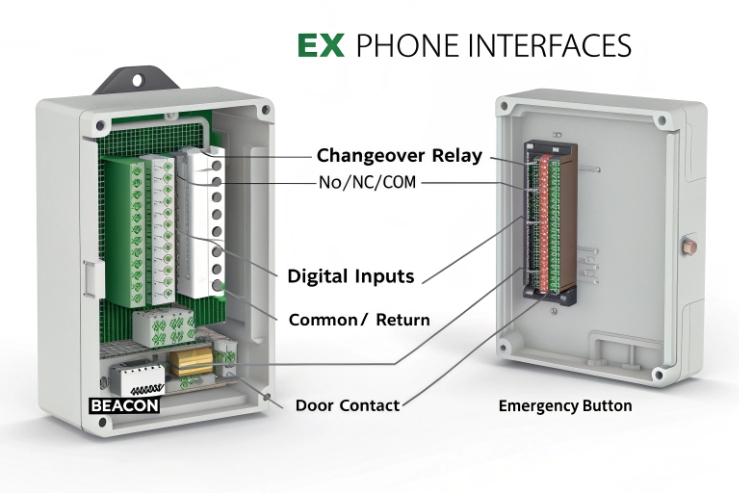
Material choice changes both raw cost and process cost
Different materials change the factory steps. They also change scrap risk and machining time.
-
316L stainless steel 2: Strong corrosion resistance. It often needs more machining time and heavier parts. It also needs careful fastener pairing to avoid galling. Unit price rises because the material is expensive and the process is slower.
-
Cast aluminum: Often cost-effective for thick, rigid housings. It can be strong for impact. Cost depends on casting quality, mold tooling, coating, and corrosion protection. Complex flameproof joints can add machining cost.
-
GRP (glass reinforced plastic): Great for corrosion in many sites and can be lighter. Cost depends on the resin system, wall thickness, inserts, and quality control. High IK targets may need reinforcement, which adds cost.
Ex certification level: scope is the price lever
Ex “level” is not only Zone 1 vs Zone 2. It is also the protection concept and what variants sit under the same certificate. A wider ATEX/IECEx 3 certificate scope can raise cost because it demands more control in parts, drawings, and production checks. Some projects need more marking details and more installation instructions, which also adds effort.
IP and IK ratings add cost where weak points exist
IP66/67 and IK ratings 4 are not only labels. They push the design of gasket geometry, screw spacing, and keypad sealing. The biggest cost jump is often IK10 plus IP66/67 together.
| Rating target | What changes in design | Why unit price rises |
|---|---|---|
| IP66 → IP67 | tighter seals + stricter assembly | more controlled tolerances and tests |
| IK08 → IK10 | thicker face + reinforced corners | more material and stronger keypad structure |
| High IP + high IK | stronger joints + protected windows | more parts, more checks, more test time |
What contributes to electronics cost—SIP mainboard, PoE class, DSP, heaters, relay I/O?
Electronics pricing is not only “a PCB.” It is a platform plus options. Every extra feature also increases validation and sometimes increases power and heat management needs.
Electronics cost is driven by the SIP mainboard platform, the PoE power class and DC/DC design, audio DSP and microphone layout, and optional modules like heaters and relay I/O. The more features you add, the more testing and support load also rises.
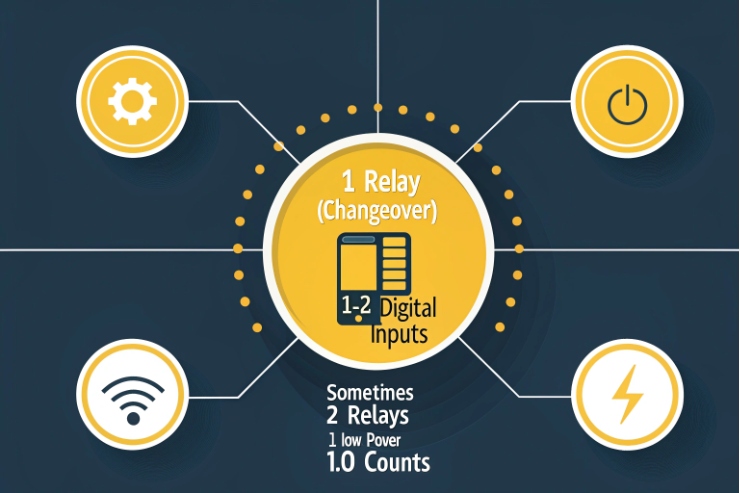
SIP mainboard platform and lifecycle
A mature SIP mainboard 5 platform costs less to maintain in the long run because the firmware and supply chain are stable. A “new” platform can look attractive but carries hidden costs in integration work.
PoE class and power design
The PoE power class 6 level affects the power stage, thermal design, and sometimes cable requirements. When a phone needs more power, it needs better DC/DC conversion and stronger surge handling.
How do OEM/ODM options—logo, keypad layout, glands, documentation—affect tooling, NRE, and MOQ?
OEM requests often start small. A logo becomes a keypad. The keypad becomes a new faceplate. Then the project needs a new manual. Each step can be done, but each step has a cost shape.
OEM/ODM cost comes from one-time engineering (NRE), tooling and fixtures, certification review effort, and supply chain complexity. Small changes like logo or legends are low cost, while structural changes like new keypad tooling or extra glands can raise NRE, MOQ, and lead time.
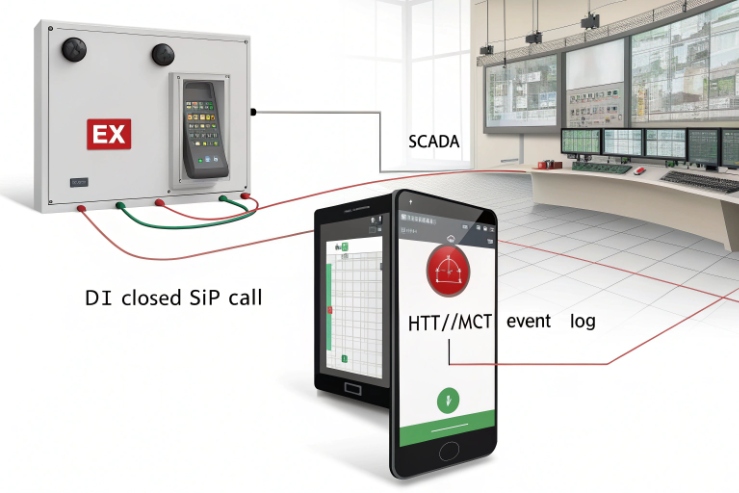
Separate “cosmetic OEM” from “structural ODM”
This split makes cost predictable:
-
Cosmetic OEM: logo, label, legend, packaging, and sometimes backlight color. These changes usually do not change the housing interface. They often have low or zero tooling cost.
-
Structural ODM: new keypad layout, different key technology, new faceplate openings, extra cable entries, different mounting bracket. These changes often require tooling, fixtures, and more validation.
What non-product costs matter in tenders—testing, certificates, freight, tariffs, warranty, and after-sales support?
Many tenders choose a unit price and then get surprised by the “project costs.” For Ex equipment, those costs can be large and can decide who wins the bid.
Non-product costs include third-party testing, certificate handling, packing and freight, import duties and tariffs, spare parts, warranty terms, and after-sales response. These costs often decide total cost of ownership more than a small unit-price difference.
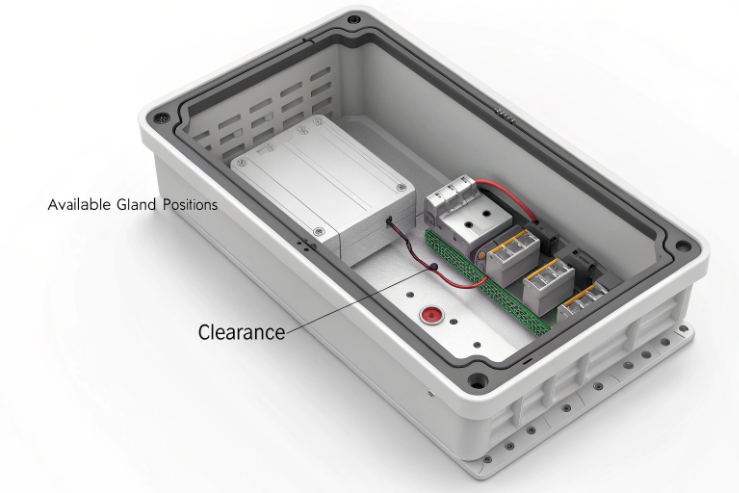
Freight, packaging, and damage risk
Ex phones are heavy. IK10 housings are heavier. Stainless is heavier. Freight cost rises fast with weight and volume. It is critical to define Incoterms 7 early to clarify which party handles shipping, insurance, and duties.
| Tender cost item | What to ask for | Why it matters |
|---|---|---|
| FAT/SAT | scope, checklist, who pays | avoids late change orders |
| Document pack | list of deliverables | speeds approval and inspection |
| Freight terms | Incoterms + packing spec | prevents budget surprises |
| Tariffs/duties | estimate and responsibility | clarifies landed cost |
| Warranty | coverage + process | reduces downtime and disputes |
| Spares | recommended spare list | shortens repair time |
Conclusion
Ex phone cost comes from enclosure + certification, electronics features, OEM work, and tender extras. For a transparent OEM quote, reach Jason Mark at info@sipintercommanufacturer.com.
Footnotes
-
A guide to defining locations where fire or explosion hazards may exist due to gases or dust. ↩ ↩
-
Also known as marine grade stainless, this alloy offers superior corrosion resistance in harsh industrial environments. ↩ ↩
-
The international certification scheme for equipment used in explosive atmospheres to ensure safety and interoperability. ↩ ↩
-
Standardized ratings used to identify the degree of protection provided by enclosures against external mechanical impacts. ↩ ↩
-
The foundational communication protocol used for initiating and managing voice and video calls over IP networks. ↩ ↩
-
A system that passes electrical power along with data on twisted-pair Ethernet cabling to powered devices. ↩ ↩
-
Internationally recognized rules that define the responsibilities of sellers and buyers for the delivery of goods. ↩ ↩








